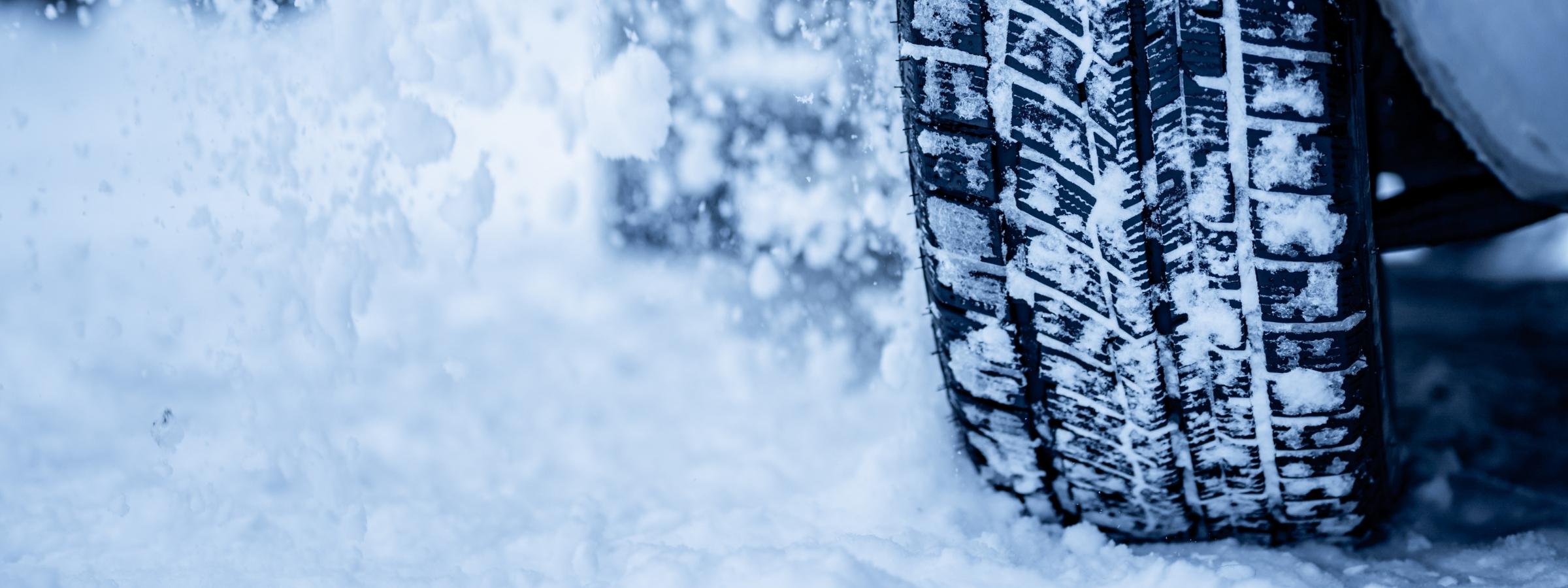
Cold weather is no joke. Snow, sleet, and freezing rains pose many dangers to you and your car in the winter. Your car’s added strain under wintry conditions could make your everyday commute a nightmare.
However, you can do a few things to boost your car’s performance during these coming winter months. And protect you and your family should a winter emergency occur.
Here are four easy steps you can follow to stay safe this winter.
I | Ways to Stay Safe on the Road this Winter
1. Create a winter car emergency kit.
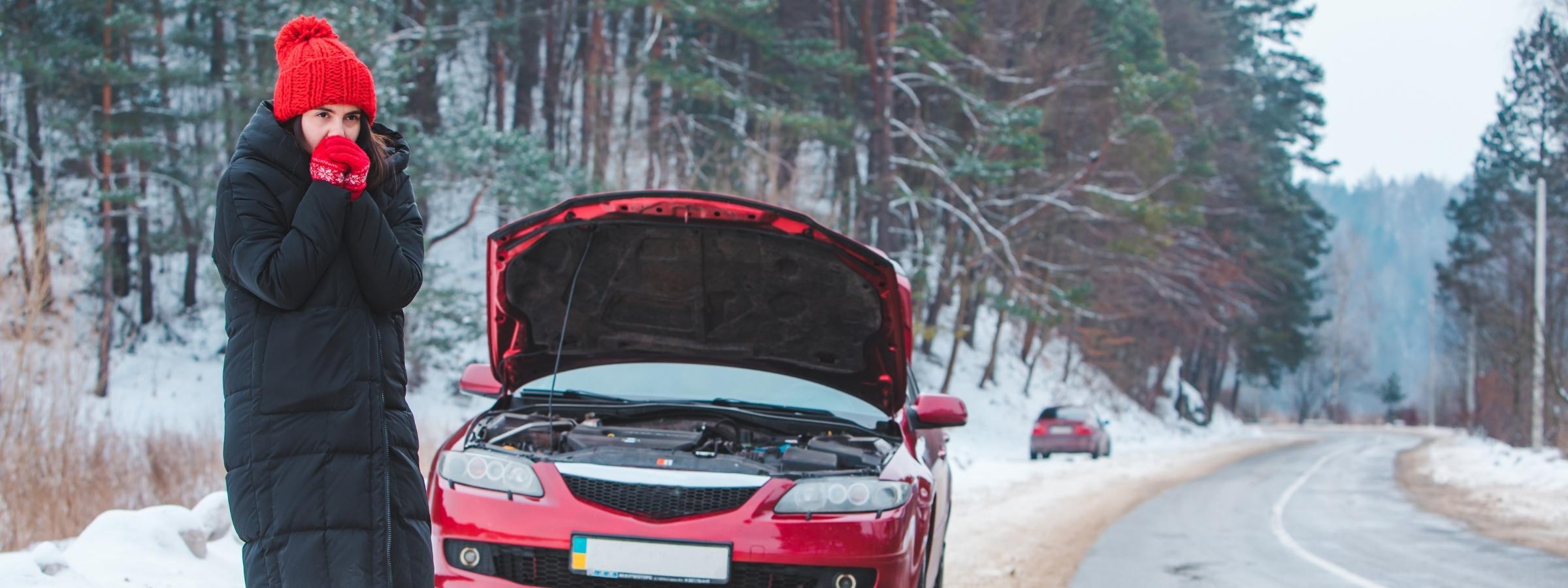
Your winter supply box is one of the top steps on this list. Preparing for disasters could mean the difference between life and death.
Heavy snowfall and icy roads hamper the response time of emergency services. Being able to render basic aid, or stay warm, could be enough to keep you or someone else alive until help arrives.
So what should you put into your winter supply box? Here’s a list of suggestions:
- A flashlight: if it’s nightfall and your car stalls or a tire goes flat, a flashlight will help you see your way around. Purchase a bright flashlight that you can handhold, hang up, or stand on its own. Make sure you have extra batteries on hand.
- Road flares or emergency reflectors: there may be a whiteout in the area where you break down or become stranded because of lack of visibility. A flare will indicate your car’s position to prevent another from slamming into you. Emergency reflectors can do the same job.
- Blankets: staying warm maintains blood flow to your limbs and ensures your heart, nervous system, and other organs work normally. A massive drop in your body temperature can lead to hyperthermia.
- A first-aid kit: create a basic first aid kit with all the essentials you need to treat minor injuries and relieve pain. Note the expiration date for any medication you include and change them as required.
- Snacks and bottled water: choose high-energy snacks like nuts, protein and energy bars, jerky, and others that won’t spoil if you leave them in the car for a week. Change out your snacks to keep them fresh and ready. Hydration is also vital for long waits in an emergency.
- Extra clothing: stash some extra jackets and gloves. Layering up helps keep you warm.
- Ice scraper and shovel: clear the snow from your windshield and your path in case you get snowed in and can’t move. Winter wiper blades can eliminate this need, although sheathed wipers can freeze at extreme temperatures.
- Sandbags: they are suitable for traction control on icy and slushy roads.
- Jumper cables: batteries experience added strain in winter, so they lose charge faster. Few drivers travel with jumper cables. Without one, the chance of you getting a charge from another driver is a hit or miss.
Always check your winter car survival kit. Ensure everything you include is within their use-by date, batteries have full charges, and everything is in good working order. It defeats the purpose of being prepared for an emergency if your stash of supplies is defective.
Each year, 24 percent of weather-related vehicle crashes occur on snowy, slushy, or icy pavement, and 15 percent during snowfall or sleet. (Source)
2. Check your car battery.
If car batteries could give their assessment for the winter months, they’d tell you the struggle is real. Dropping temperatures thicken motor oils not developed for winter conditions.
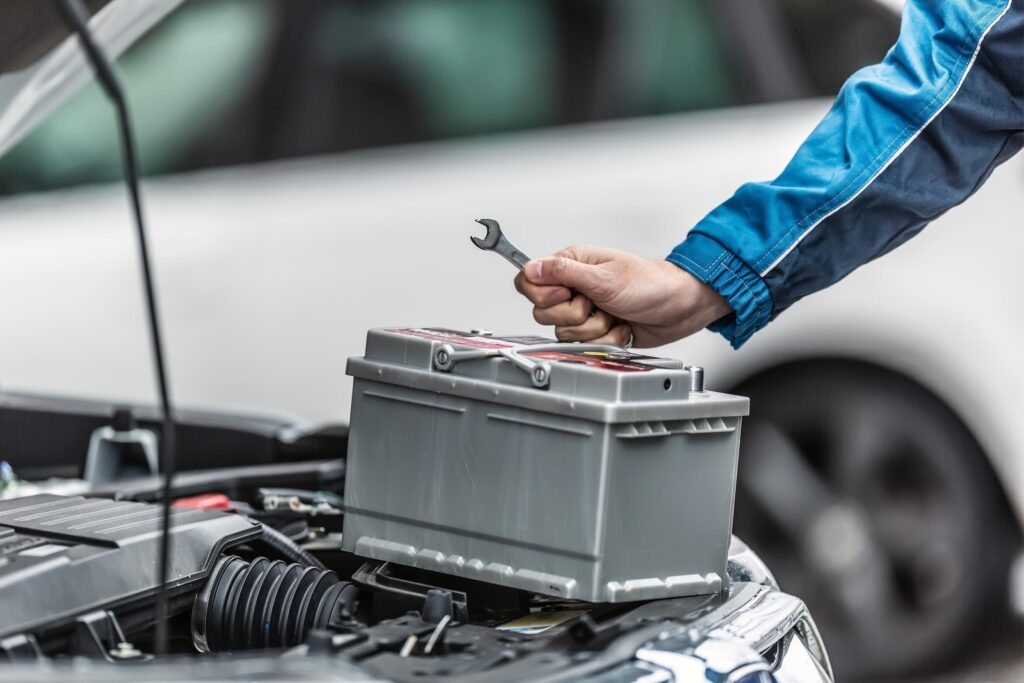
Thickening oil strains your engine and battery performance, which is why car batteries die faster in the winter.
Inspect your battery and cables.
- Battery post corrosion cause hard starting problems and lowers your charging system’s efficiency. Clean the battery terminal posts with a wire brush or battery cleaning tool.
- Clean off all grease and battery acid residues from the top of the batteries.
- Clean the cable terminals and check for breaks and loose connections.
- Use a battery terminal protectant spray to reduce future battery terminal corrosion.
Make sure you adhere to the safety precautions for handling your battery.
Check the manufacturer’s date of your battery. Car batteries don’t expire, but they deteriorate as they age. Deterioration affects how much power it has to start your engine and how long it holds charges.
Wear time takes three to five years, depending on your car’s usage pattern. Maintenance also affects the longevity of your car’s battery.
For professional help gauging the battery capacity and health, speak with a mechanic about a computerized battery test.
3. Check your fluids and switch to winter-grade options
Engine oil
Winter-grade oils are thinner than those we typically use throughout the year. A lower viscosity reduces sluggish oil flow, overtaxing your engine and car battery because of freezing.
Viscosity refers to the thickness of a fluid. For example, syrups have a higher density than water. The first number in the oil specification shows its “thickness.” 5W-30 oil is better for winter driving than a 10W-30.
Consider the change if you live in a region where temperatures drop below freezing. Consult your mechanic about which oil substitute would be best for your car during winter.
Coolant and antifreeze
Antifreeze prevents your engine from freezing, leaving you stranded in hostile weather. It’s essential to have the correct antifreeze-water mix.
Consult your vehicle’s manual for details on the most effective mixture for your car. For accuracy, buy a coolant tester kit at an auto supply store. Using the kit, you can determine if you’re using the correct coolant mix.
Wiper fluid
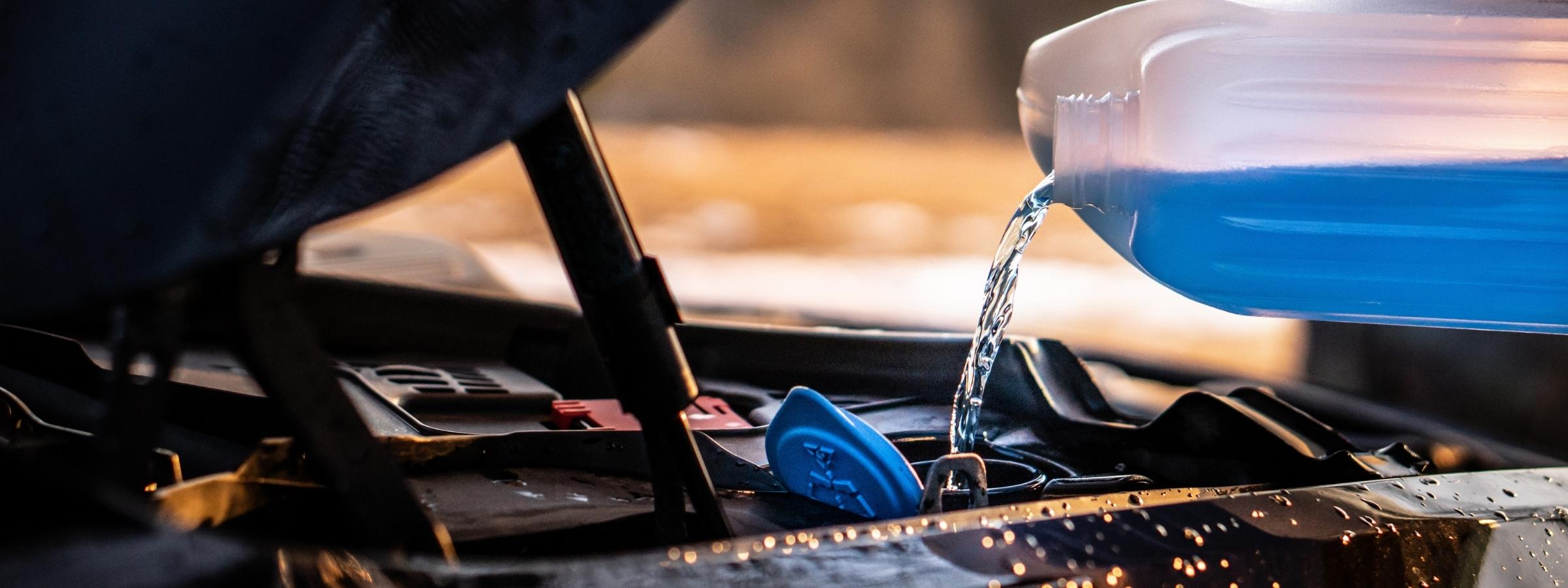
Don’t overlook your wiper fluid.
Change out your regular wiper fluid for one that is freeze-resistant. Ordinary fluid freezes in a snap, creating a road safety hazard. Winter washer fluid loosens ice and snow on your windshield for easy cleaning and clear road visibility.
4. Inspect your tires.
We all know the dangers of driving on an icy or slippery road. Worn tires and low air pressure increase the risks of winter driving. They reduce the traction control of your tires, which you’ll need driving on snow-covered, icy roads.
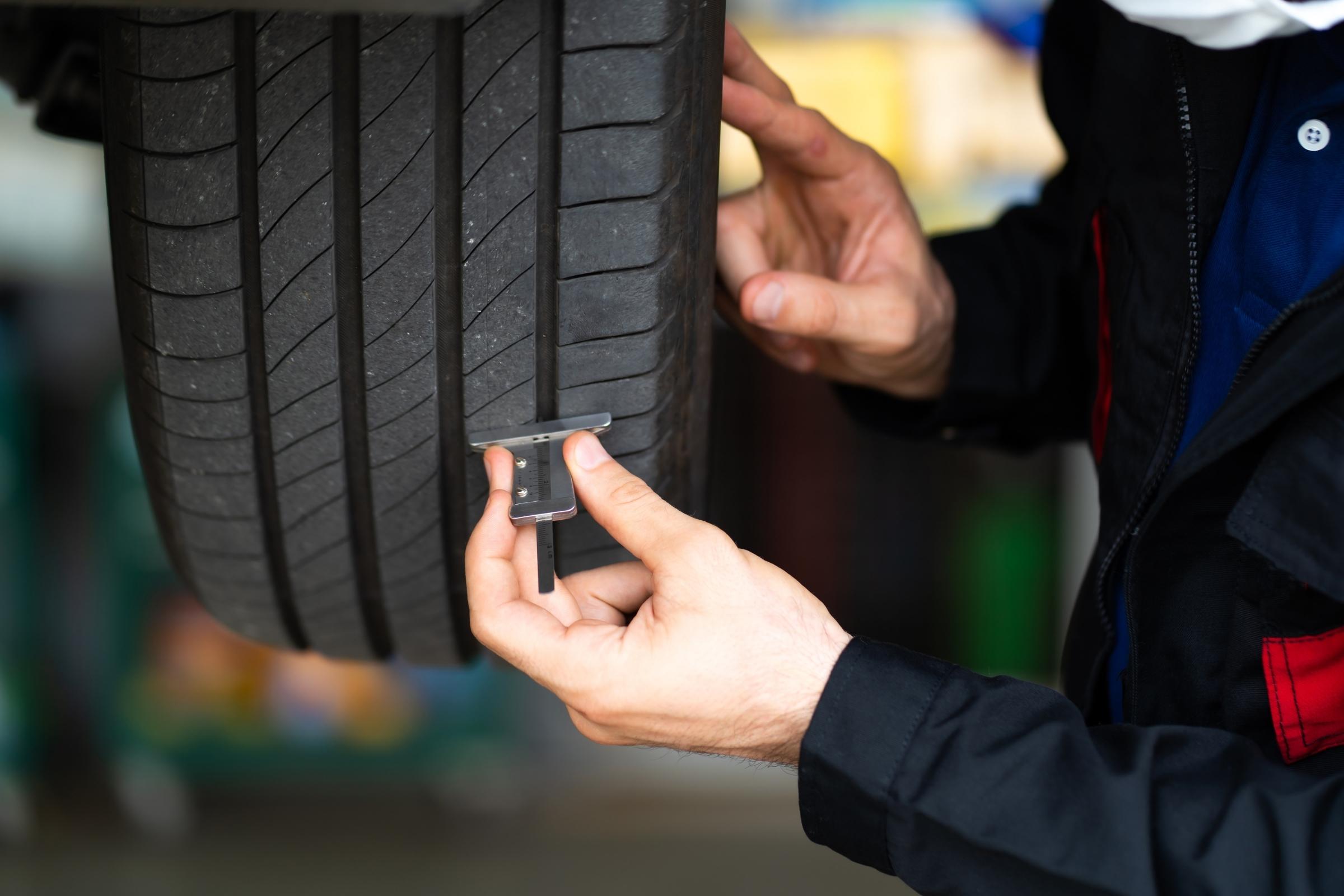
Pick up a tire gauge at an auto supply store. Check your tires to see if they meet your user manual’s recommended PSI (pressure level). If your tires fall below the safety level, fill them at the gas station.
Use the “Lincoln Test” to measure your tread depth. Insert a penny into your tire’s tread with the top of Lincoln’s head pointed inwards. If you can see all of Lincoln’s head, it’s time to change your tire. Your tires are good if it covers most or all of his forehead.
Consider investing in snow tires if you live in an area notorious for blizzards and heavy snowfall. Snow tires increase your traction for increased protection while driving in severe winter weather.
5. Check the brakes.
Your brakes are under immense stress during winter. Far more so than in drier climates where wet, slushy, and icy roads and other winter variants aren’t a problem. Check your brake systems before the season starts and midway through.
Between the moisture and the salt used on the road, rust might develop in the rotor. Check the brake fluid during the season as it gets dirty and water molecules form. Neither of these is suitable for your car.
The lowered efficiency of your brakes increases the possibility of crashes. Do regular checks to ensure everything is in order.
II | Bonus Safety Tips
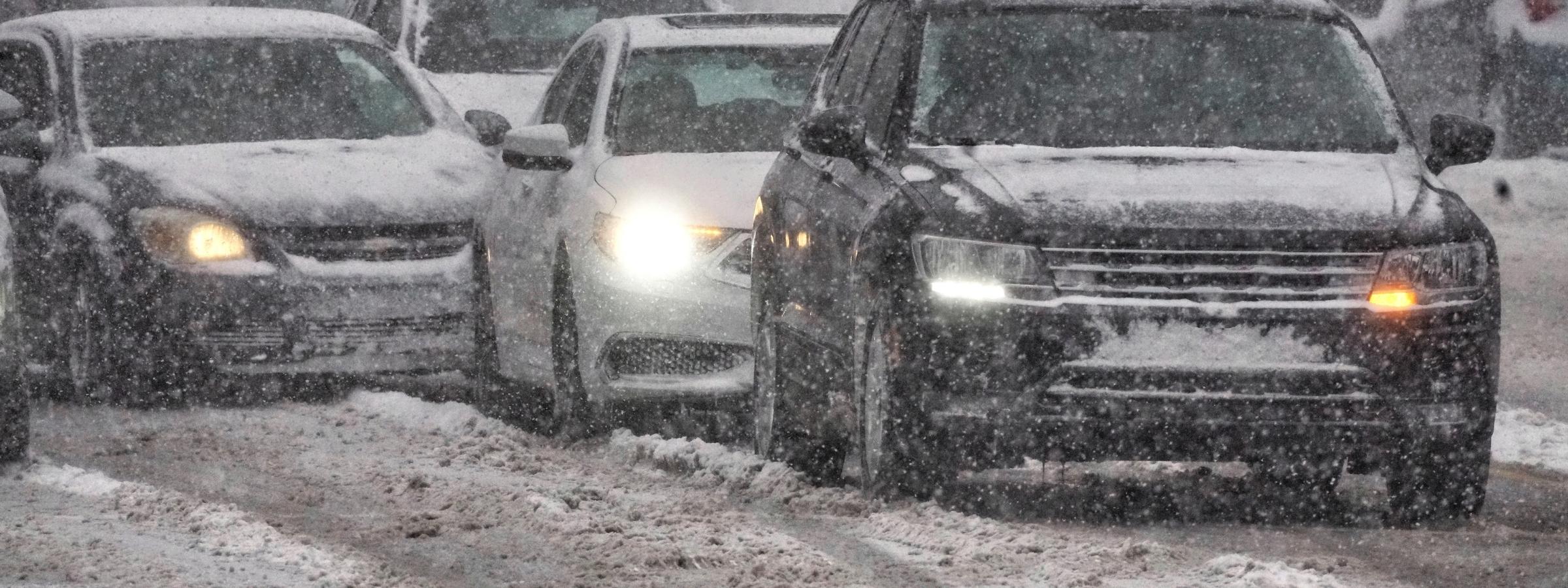
Leave home earlier than usual and limit your speed.
Snowfall adds to commute time as traffic slows, and snowplows, and salt sprayers take to the streets. Unplowed roadways will also tack on driving time to your destination.
Leaving out earlier will decrease the urgency that often leads to speeding. According to AAA, cars can take up to ten times longer to stop on snowy roads.
Remove snow and ice from your car before leaving out.
Along with clearing your windshield, scrape the ice from the top of your vehicle and the trunk. Clearing ice build-up will prevent large slabs of ice from flying off your car while you’re driving and hitting the car behind you. Even if there is no physical damage to the other vehicle, it could lead to an accident.
Always wear your seatbelt and encourage your passengers to do the same.
Wearing a seat belt reduces the risk of fatal injury to passenger car occupants by 45-73%, depending on where they’re sitting in the vehicle.
Take your car off cruise control.
One of the leading causes of accidents in winter is black ice. It’s a thin film of slippery ice that forms and blends in with pavement. Maintain complete control of your car at all times. It makes it easier to take defensive or corrective measures if you hit a black ice patch. Federal data shows 156,164 auto crashes annually happen because of icy roads.
Conclusion
Keep your car running and your family safe in harsh winter conditions by implementing the above steps.
- Keep a fully stocked winter supply box in your car. Restock as necessary, and make sure all medications and snacks are within their use-by dates.
- Check your car battery for any defects and buildup on battery posts. Replace or repair as required.
- Check the fluids in your car and switch them out for winter-grade options.
- Inspect your tire pressure and tread. If you live in an area with severe snowy weather, consider changing to winter tires.
- Check your brakes for wear and tear damages and defects that lower their efficiency.
Consult your mechanic if you doubt your DIY skills in winterizing your car. You want your vehicle to always be in tip-top shape to tackle whatever the season throws at you.