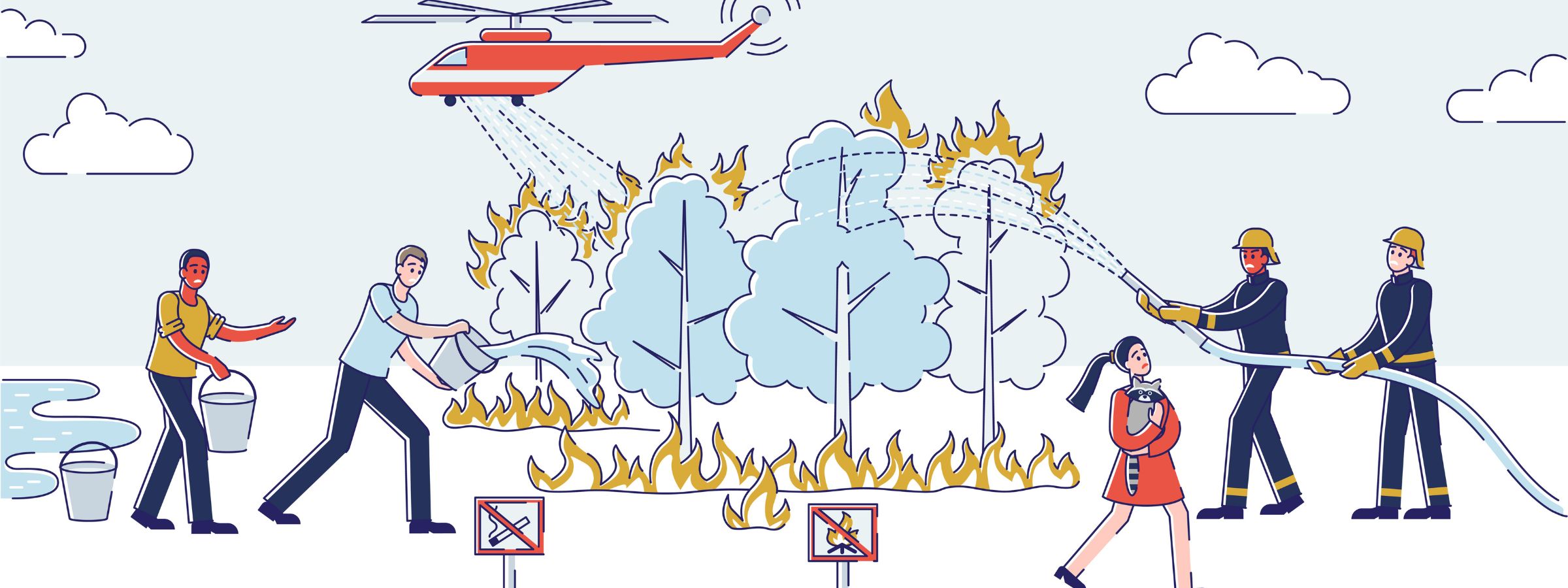
Wildfire fires unleash devastating effects. Each year, scores of homeowners flee their homes with their families and only what they can carry in the back of their cars. The insurance industry faces thousands of dollars worth of claims during and after the wildfire season, with hundreds of homes, cars, and other properties going up in flames.
But does your standard home insurance policy provide adequate coverage for wildfire damage? Here’s what you need to know about your policy and how it protects you from wildfire losses.
I | Wildfires: A Growing Threat for Homeowners and Insurers
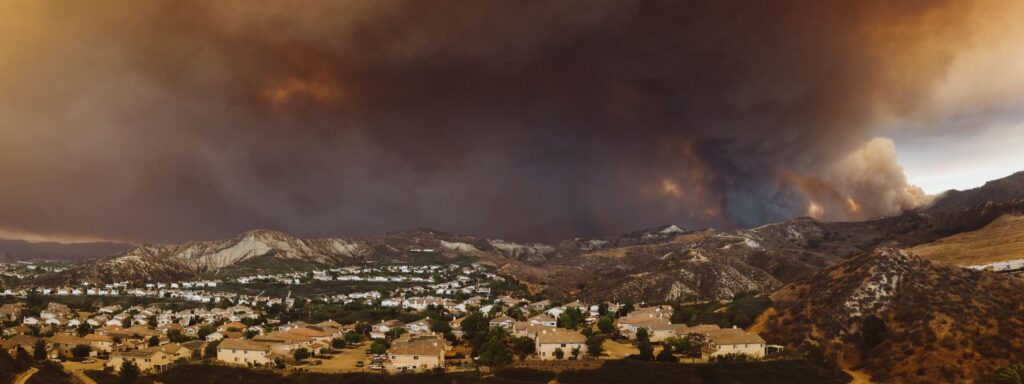
According to Cal Fire, 7,095 wildfires have burned over 362,232 acres damaging and destroying 876 structures to date. June was the most active month, with 21 fires, followed by September (11) and August (9). (Source)
The truth is that as the years grow drier, the risk of wildfires increases. These fires start earlier and end later, breaking out of the usual confines of the months traditionally labeled as ‘Fire Season.’ The causes range from adverse environmental changes to human negligence.
With the expansion into a year-round event, ask yourself these questions:
- Do you live in a fire-prone area?
- How prepared are you if the unthinkable happens?
- Do your policy limits provide adequate insurance coverage?
- Do you have a wildfire action plan for emergencies to protect yourself, your family, and your property?
Reduced Coverage
Most standard home insurance policies include fire damage coverage. There’s no specific “wildfire insurance.” And if you live in a wildfire-prone area, finding coverage might be difficult.
Many insurance companies are pulling their services in states like California. Insurance providers cover millions of dollars in damages yearly. Still, they can’t raise their rates to remain viable under those conditions. Those who provide home insurance to fire-prone areas sometimes exclude ‘wildfire’ as a covered disaster.
Some major insurers are in the process of informing policyholders they’ll not be renewing their coverage.
II | Does Homeowners Insurance Cover Wildfire Damage?
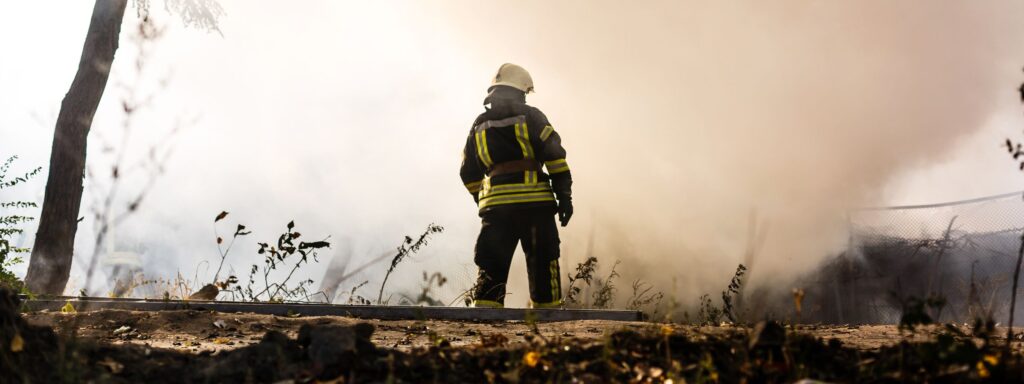
Wildfires cause far more losses than a regular house fire. We’re talking wholesale damage on the scale of acres. It’s why insurers are fire-wary and withdrawing or reducing their services in high-risk regions.
How much you receive in an insurance claim depends on the terms of your claim. Whether your policy reimburses the actual cash value (ACV) of your dwelling or the full replacement cost (RCV).
Actual Cash Value (ACV)
ACV is the depreciated value of the damaged property at the time of the loss. This type of policy settlement does not accommodate the current cost of replacing lost items. Think of it as the garage sale price for the items in question.
If you were selling your old radio, you’d drop the cost based on the year of purchase and the radio’s present state after wear and tear. That’s how ACV payouts work. They are always lower than the current market price, compensating you only a fraction of the replacement cost.
Though it equals cheaper premiums, ACV transfers the financial responsibility to your pockets. Rebuilding costs for labor and materials increase based on the current market. During a crisis, suppliers increase their prices to exploit the increased demand.
Replacement Cost Value (RCV)
RCV covers the total expense of replacing an item at its current market value. Insurers will not consider the age of the damaged item at the time of loss. Because of this and the added protection, these policies will come with higher premiums.
Then there is the matter of deductibles. Your insurance policy requires you to pay a portion of the damage costs before the insurance kicks in.
So yes, your homeowners insurance policy does cover wildfire damages but to varying degrees. Your insurer will only pay up to the maximum for damages. A maximum that might, especially in a wildfire, not cover all the costs leaving you to cover the balance out of pocket.
Understand all the details of your insurance policy. Knowing your coverage limits and the estimates of possible payouts will give you an appreciation of where you stand in the event of a disaster.
III | What Kind of Wildfire Damages Will Home Insurance Cover?
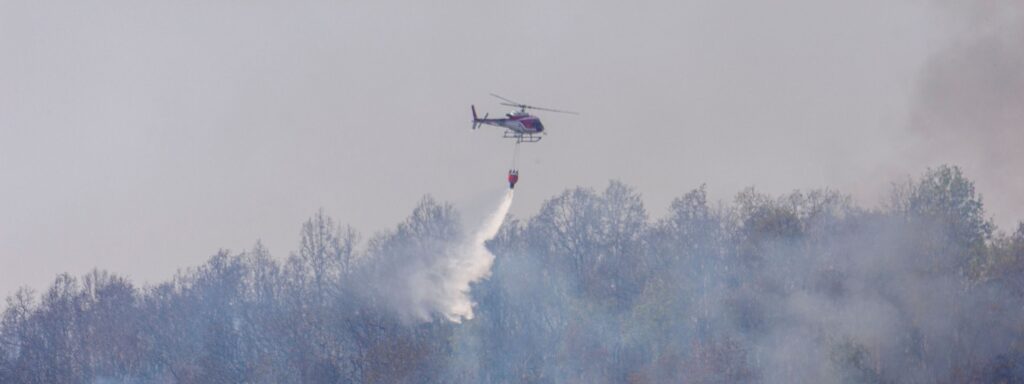
Standard home insurance policies feature hazard coverage. It covers the following in the event of a fire:
- Damage to the main physical structure of your home (including smoke damage)
- Damage to outbuildings and detached structures (e.g., garages and sheds)
- Damage to landscaping, pool, and other backyard items
- Additional Living expenses for you to live elsewhere if your house is destroyed or uninhabitable while it undergoes repairs
- Removal of debris
- Replacement or repair of personal items
You may need additional coverage for total protection if you live in a high-risk area.
Note: Some standard policies feature building-code upgrade coverage, while others list it as an optional endorsement. This coverage provides money for the increased cost of repairing or rebuilding your home to meet current building code standards.
Is Your Home at Risk?
The most obvious question to ask in your risk assessment is whether or not you live in a red zone.
Over the years, migration into scrublands, brush-filled canyons, and forested areas has heightened the dangers of wildfires. Here are the top 10 wildfire-prone states.
- California
- Texas
- North Carolina
- Georgia
- Oregon
- Florida
- Arizona
- Montana
- Washington
- Alabama
Each year the arrangement changes, but California is a steady member of the top five areas. All of the ten costliest wildfires on record occurred in California, so it’s no wonder homeowners are experiencing increased challenges in acquiring home insurance.
Areas with prolonged dry seasons see an uptick in forest fires. Droughts create the ideal conditions for wildfires as dried vegetations provide ample combustible materials for the fires.
What are fire protection classes?
Fire protection classes are measurements used to determine fire risk in your location. These designations originate from the Insurance Services Office (ISO). They can act as preliminary indicators in summing up your chances of getting home insurance.
Classes range from 1–10, with one indicating you live in a top-tier safety zone. Higher ranks like eight to ten are less favorable as it often means you live too far away from a local fire station.
Where you fall on the list impacts your premium. In a worst-case scenario, an insurer could deny you coverage.
Here’s a list of some factors that determine your area’s ranking:
- How far away are you from the closest fire station? Are they adequately equipped and staffed to respond to an emergency? How many fire trucks do they have operational? What’s their average response time?
- How is your local water supply system set up? Where’s the nearest fire hydrant to your house? How many fire hydrants are there? Are they properly maintained? Do they have enough water to out a blaze?
For more information on wildfires, their causes, and how they affect the environment, check out this article by the U.S. Department of the Interior.
VI | Alternative Methods of Wildfire Coverage
We’ve already established that insurance companies can deny coverage if you live in a wildfire-prone area. Their rejection, however, doesn’t mean you are out of options. Here are some alternative options you can check out. But be warned, these options tend to come with high premiums.
California, Home Insurance, and Wildfires
The three are not the best of friends, but you can minimize the friction between them.
If your home insurance application fails or you receive a notice of non-renewal from traditional insurance companies, the California FAIR Plan is an option.
Their website states: The FAIR Plan provides insurance as a last resort and should be used only after a diligent effort to obtain coverage in the voluntary market has been made.
The FAIR Plan is your backup parachute for wildfire protection.
Check out the other 34 states that also have FAIR Plans available here.
Alternative Insurance Companies
Outside of FAIR Plans, there are two other options.
Surplus and Premier insurance carriers offer specialized coverage for risks standard insurers won’t cover.
If your home value ranges from $1 million, you may qualify for coverage from a premier insurance carrier. Policy perks include private firefighters, high payout limits to replace or repair high-value properties, and loss prevention.
Surplus insurance carriers are similar as they offer specialized coverage for high-risk disasters. On the downside, these companies may not possess a license to operate in your state.
V | How to Protect Your Home if you Live in a Fire-Prone Area
While contemplating if your home insurance protects you, think about how you can protect yourself. Wildfires are notoriously difficult to predict and control. Practicing preventative measures will help protect yourself, your family, and your home, especially if you live in a danger zone.
Prepare for possible dangers.
While searching for your dream home, calculate how much home insurance you’ll need. Under-insuring could leave you in a pickle should you meet a severe disaster like wildfire.
If you’re looking for a home in a fire-prone area like California, send the listing address to an insurance broker for an estimated quote. You can do this without visiting the home to narrow your viewing options in your initial elimination process.
Advocacy group United Policyholders estimated that about two-thirds of California residents don’t have enough coverage for wildfires. Budget for insurance and set a reasonable cap limit for your home.
Review your home insurance policy annually.
Every time you remodel your home, you add value. You also add value when purchasing new furniture and high-value items or landscaping structures and outhouses.
Prepare a running inventory of everything in your home. As you add or subtract, update the list. An up-to-date list will help you if you ever need to file a claim. Write the name of the item along with the cost. Include receipts where possible.
Be mindful of building materials and property layout.
Think of this step as defensive home construction.
Set the structure a safe distance if you’re building your house from scratch on a plot of land surrounded by forested or wooded areas. Experts recommend between 30 to 100 feet. If you live in places like California, aim for 100 feet or more.
The space between your home and the woods is your defensible zone. It should go right around your house. Keep this area free from vegetation, overgrowth, and other flammable materials. Trim and prune low-hanging branches, and maintain your lawn. These maintenance habits create a “reduced fuel zone” front-line defense firefighters use to defend your home.
Hardscapes like stone walls, rock flower beds, and pathways also come in handy by creating ‘firebreaks.’ For building materials, choose ones that are fireproof whenever possible.
- Concrete and slate for fireproof exterior walls
- Clay tiles for roofing
- Tempered glass
- Non-flammable fencing materials, along with non-combustible screens for vents and eave openings
Embers, blown across by winds, are enough to set your home ablaze if it lands on your roof or deck, and they aren’t fire-resistant. These deadly flecks can also ignite the dead leaves in your gutter, so keep those clear of debris as well.
For your next remodeling project, survey your house and determine if your home is up to your local fire marshal’s building code.
Develop an evacuation plan in case of an emergency.
In the past few months, thousands of homeowners have fled their homes because of wildfires. Some are lucky enough to have family members and friends they can stay with, while others are left to book accommodations.
As with any crisis, some motel and hotel owners inflate prices to exploit the desperation of those who can’t do better. Though it’s not something you can avoid, it’s something you can plan for in advance. Do you know that rainy day money? You’ll need it.
Along with setting aside funds, ensure all your essential documents are in one easy-to-grab location. If it’s portable, all the better. You want to avoid scrambling and searching when your state sounds an alarm for you to evacuate the area.
Make sure all family members know and understand the plan. If you have relatives who will assist you in a pinch, involve them as well.
Be mindful of your actions and habits.
According to the National Park Service, human error and negligence cause nearly 85% of wildfires in America.
Unattended campfires, burning debris, lit cigarettes, and intentional acts of arson have caused billions of dollars in losses over the years. Elaborate gender reveals using pyrotechnic devices has also started more than one fire in the past three years.
These statistics and the causes show that most of the devastation is avoidable. But because of bad practices and woeful disregard for public safety, we’re faced with a new year-round crisis.
Just a note.
These tips may not always be successful in the case of a massive blaze sweeping across an area, but they can help to fend off smaller fires. The evaluator who visits your home before your policy approval will note these preventative measures in your favor.
High-risk properties face higher premiums. And with insurers looking sideways at homes in fire-prone zones, you want your home to be as risk-free as possible for your coverage and safety’s sake.
Conclusion
Wildfires lead to massive losses for homeowners each year, costing insurance companies billions in payouts. Be proactive in defending the safety of you and your family.
- If you’re searching for a home, research the possible dangers of wildfires in the area. Consider the insurance you’ll need to secure your property and if the location’s worth it.
- If you already have home insurance, review your policy to make sure your policy limits offer maximum coverage.
- If you aren’t adequately covered and live in a high-risk zone, start looking at your other options for dwelling insurance.
- Do what you can to minimize the risks to your home beforehand with ‘defensive construction’ and create an emergency plan.