
Don’t take your car insurance for granted. In the event of any vehicle-related accidents, it stands between you and possible debt.
Out-of-pocket repair costs, especially in the case of a major accident, is no joke. The high price tag is why millions of Americans cannot afford self-insurance, and you may be one of them.
Can you afford the risk of driving an underinsured or uninsured vehicle? Is that a risk you want to take?
If you answered no to both questions, your next step is learning about car or auto insurance:
- What is car/auto insurance;
- How does it work;
- How do you apply;
- And most importantly, how can you shop for the lowest premiums.
We’ll explore the answers to these questions and more in this article. Let’s get started.
I | What is car insurance, and why is it important?
Car insurance falls under the umbrella of ‘major expenses.’ After shelling out a pretty penny for your new or used car, you may flinch away from spending more than you have to. Having loan repayments on the table might heighten your anxiety.
All of your concerns are understandable. But, driving is a game of chance. And depending on the severity of the accident, it’s a deadly one. Even if you’re not the cause, anything is possible.
Murphy’s Law: Anything that can go wrong will go wrong.
Your auto insurance prepares you for these unexpected events. Full coverage cushions the potential financial blow.
Not convinced yet that it’s better to be safe than sorry? Read on for the extended version of why car insurance is essential.
First off…
Car Insurance = Legal Protection
Most states take the “should I?” question out of purchasing car insurance. State-level laws outline the minimum requirements for all drivers.
The law requires some equivalent security in states where car insurance isn’t mandatory. Take New Hampshire as an example. Where car insurance isn’t compulsory, state laws require drivers to prove they can take full financial responsibility for whatever damage they cause.
Virginia is another state where car insurance isn’t mandatory, but drivers without insurance pay an uninsured motorist fee.
Across the board, regardless of state-specific regulations, drivers are held financially liable by law for accidents they cause.
Car Insurance = Financial Protection
Staying legal on the road in a state with mandatory car insurance laws requires you purchase at least the bare minimum. This bare minimum is Personal Liability and Property Damage (PLPD) insurance. It offers coverage for:
- Damages to the third party’s vehicle if you caused the accident;
- Property damage (of the third party);
- The medical costs for the other driver or passengers in the other vehicle;
- Lawsuits that arise from at-fault accidents;
- Your medical costs in the event of a crash are an automatic benefit included in your policy if you live in a no-fault state.
In no-fault states, PLPD does not cover anything related to you, your vehicle, your property, or your passengers. Its sole purpose is to compensate for third-party damages caused by you.
So let’s work out the cons of opting for the bare state minimum instead of traditional coverage.
Con #1: The bare minimum might not be enough.
California’s financial responsibility laws require drivers to maintain at least 15/30/5 liability coverage. These numbers break down to:
- $15,000 per person for bodily injury liability;
- $30,000 maximum for bodily injury for all persons in one accident;
- $5,000 for property damage liability.
Suppose you cause an accident where the final cost of third-party property damage is $15,000. In that case, your insurance will cover $5000, leaving you on the hook for $10,000. Furthermore, if the total cost for bodily injuries surpasses $30,000, you’re responsible for finding the “extra” money on your own.
Con #2: PLPD does not cover you or yours.
After finding out your PLPD insurance doesn’t completely cover third-party damages and having to foot the overshoot of your limits out of pocket—where does that leave you?
State liability insurance leaves you unprotected in the event of an at-fault accident. How much money do you have to cover your injuries and losses? And if your passenger suffered injuries, how will you compensate them?
Accidents can be expensive. You could pay thousands of dollars out of your pocket without traditional coverage options like Collision or Comprehensive insurance.
Con #3: Alternatives for car insurance also leave you unprotected.
If you live in a state with an alternative to car insurance, think beyond the short-term benefits. Consider if you’re financially stable enough to foot the entire bill of an accident for yourself and the affected third party.
Remember, the alternatives, like PLPD, focus on repairing or replacing a thirty-party property and paying their medical bills. But what about you?
Can you run the risk of being underinsured?
Car Insurance = Lower Repair Bills
Although PLPD does not protect your car from physical damage, other insurances do. Comprehensive and Collision Insurance offers coverage for the cost associated with your vehicle’s physical damage. Both, however, come with their specifications in the type of damages covered.
Comprehensive insurance covers anything outside of a collision.
That could be a fire, theft, vandalism, a run-in with a deer, or storm coverage, among others. You need comprehensive insurance to qualify for roadside assistance and to purchase collision coverage.
Collision coverage protects your vehicle from run-ins with inanimate objects.
These objects include other vehicles, light posts, mailboxes, trees, and the like. Your collision coverage activates when you’re at fault or do not know the origins of the damage.
Car Insurance = Financing
You’ll need car insurance if you’re thinking about financing your vehicle. Financiers name this as a requirement for the protection of their investment.
Should you meet in an accident and your car’s written off, your debt isn’t. The payout from your car insurance will compensate your financier.
If you purchase inadequate car insurance or lapse on payment, these will reflect in your loan installments. Should you opt not to buy independent car insurance, your lender may insist on lender-placed or forced-placed insurance.
Force-placed insurance policies are designed to protect your lender’s investment, lessening the risk of a loss for them.
II | Types of Car Insurance Coverage Available
State Minimum Required Coverage
As I mentioned, SMRC, the basic coverage required in most states, is liability insurance. Should you meet in an accident, the provisions in this policy protect injured third parties.

It covers ongoing medical expenses, loss of income, and funeral costs. Compensation also includes your legal fees if complainants file a lawsuit.
Although it doesn’t offer you the best coverage, SMRC can act as a guide. Check your State Insurance Commissioner for your state’s minimum car insurance requirements. You can build on your coverage with an established baseline, knowing you’re on the right side of your state’s insurance laws.
The lack of flexibility, feature options, and avenues for savings from deductibles (we’ll talk more about this later) are why SMRC falls short on the protection scale.
A tailored policy gives you the best coverage and value for your money.
Comprehensive Insurance Coverage
Comprehensive insurance covers the costs of damage to your vehicle for non-accident-related claims. These incidents fall under acts of God, nature, or general bad luck over which you have no control.
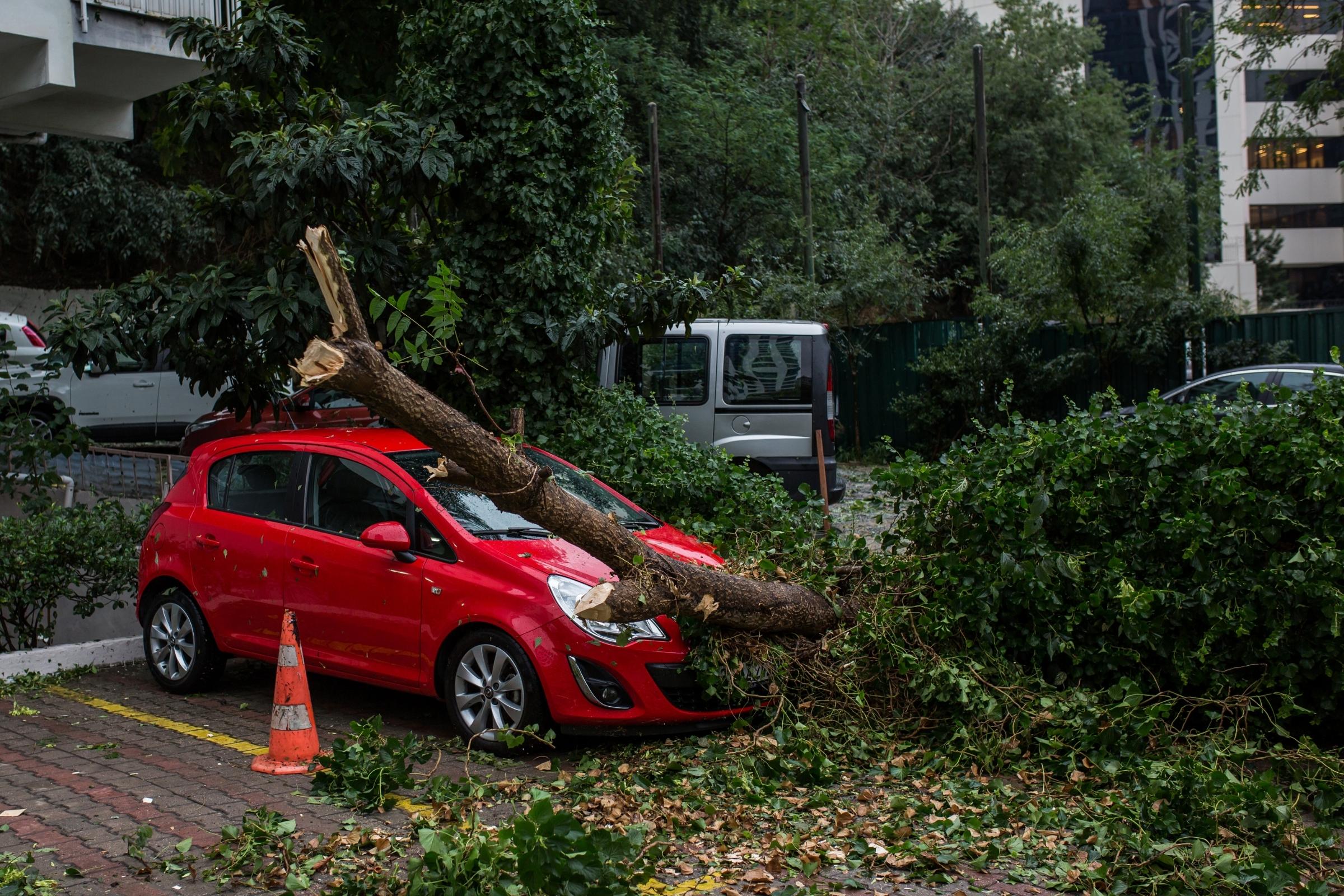
- Tornado damage
- Dents caused by a run-in with a deer
- An unwanted paint job by vandals
- Fire damage
- Break-in damage
- Garage collapse
Comprehensive insurance is optional unless you don’t own your vehicle. As long as a loan is attached, your lender will require you to purchase comprehensive insurance.
So if you’ve paid off your car loan or think you’re lucked out in the no-accident department, you may opt-out of comprehensive insurance. All the same, take a minute to consider other factors.
- Does the sky fall in hail on a regular enough-to-be-concerned basis where you live?
- Does your area experience frequent storms, hurricanes, wildfires, or tornadoes?
- Do you live in a high-risk zone with frequent thefts and break-ins?
- Do you live in an area where collision with animals, like deers, is a common problem?
Comprehensive policies factor in the cash value of your vehicle. It also offers you the opportunity to save money by allowing you to set a deductible limit.
Deductibles and How they Work
Deductibles are the monies you pay out of pocket before your insurer covers the balance. Higher deductibles translate into lower premiums.
Say you have a Toyota with a cash value of $16,000 and a deductible of $2000. A storm hits, and your car’s destroyed. Under the terms of your policy, the insurance company will reimburse you $14,000. That’s a good chunk of your replacement money, leaving you to find the remaining $2000.
Should the same scenario occur, and you have liability plus collision insurance but no comprehensive coverage, you’ll stand the entire $16,000 loss.
Saving With Deductibles
If you don’t want to forego comprehensive insurance, but you cringe at forking out too much money, increase your deductibles. High deductibles are always your closest escape from high premiums, but only if you do the math beforehand.
Be mindful of your financial restraints when choosing your limit. How much can you realistically cover on your own? And how much can you save from increasing your deductible? Does it save you a significant amount?
If you choose the route of higher deductibles, consider opening an emergency savings account. Set aside a bit of cash monthly that you never touch until a rainy day. Be strict about it. For a bright financial future, being smart with your money is essential. Being proactive about racking up unnecessary debt is critical.
A higher deductible can only save you money with the right strategy.
Collision Insurance Coverage
As the name suggests, Collision insurance compensates the insured for damages caused in a collision. It offers no coverage for theft, vandalism, falling objects, etc. To qualify for coverage under this policy, you must be the driver at fault, and it has to be a collision with an inanimate object.
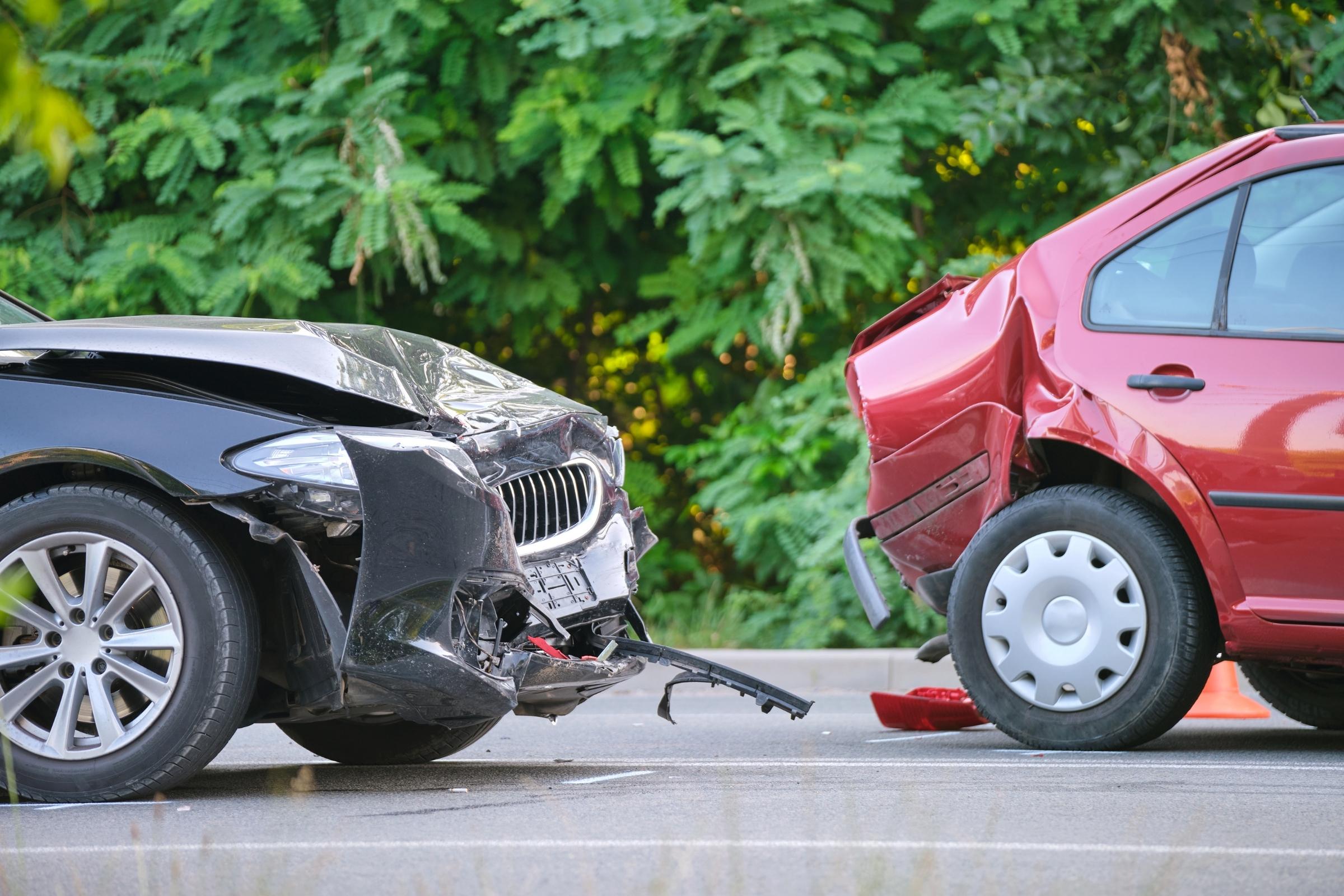
Other conditions include:
- Pothole damage, and
- Collision with an inanimate object caused by icy roads.
What’s important here is the cause of the damage must be human errors—accidents caused by you or another motorist.
As extension coverage, collision insurance is available as an add-on. You can purchase collision insurance for additional protection if you have liability or comprehensive insurance.
Let’s consider two hypothetical scenarios.
First, a storm hits your hometown. Because of the winds, trees were uprooted, and some light posts were unstable. While you’re driving on your way to shelter, the wind blows a light post down on your car.
Accident cause: an act of God + the worst lousy luck = comprehensive insurance
In the second scenario, your quick reflexes had you swerving away from the falling light post, but you collided with a guardrail. Ultimately you could argue that the falling light post made you do it, but you still swerved, causing your collision with the railing.
Accident cause: falling light post + you swerving into a guardrail = collision insurance
Full disclaimer: This added protection can come with high premiums unless you factor in your deductible cost savings.
Full Coverage Auto Insurance
Full coverage is defined in different ways, depending on your insurer. Full coverage insurance is not a policy set out on its own. Generally, it combines the three types mentioned above: liability, comprehensive, and collision insurance.
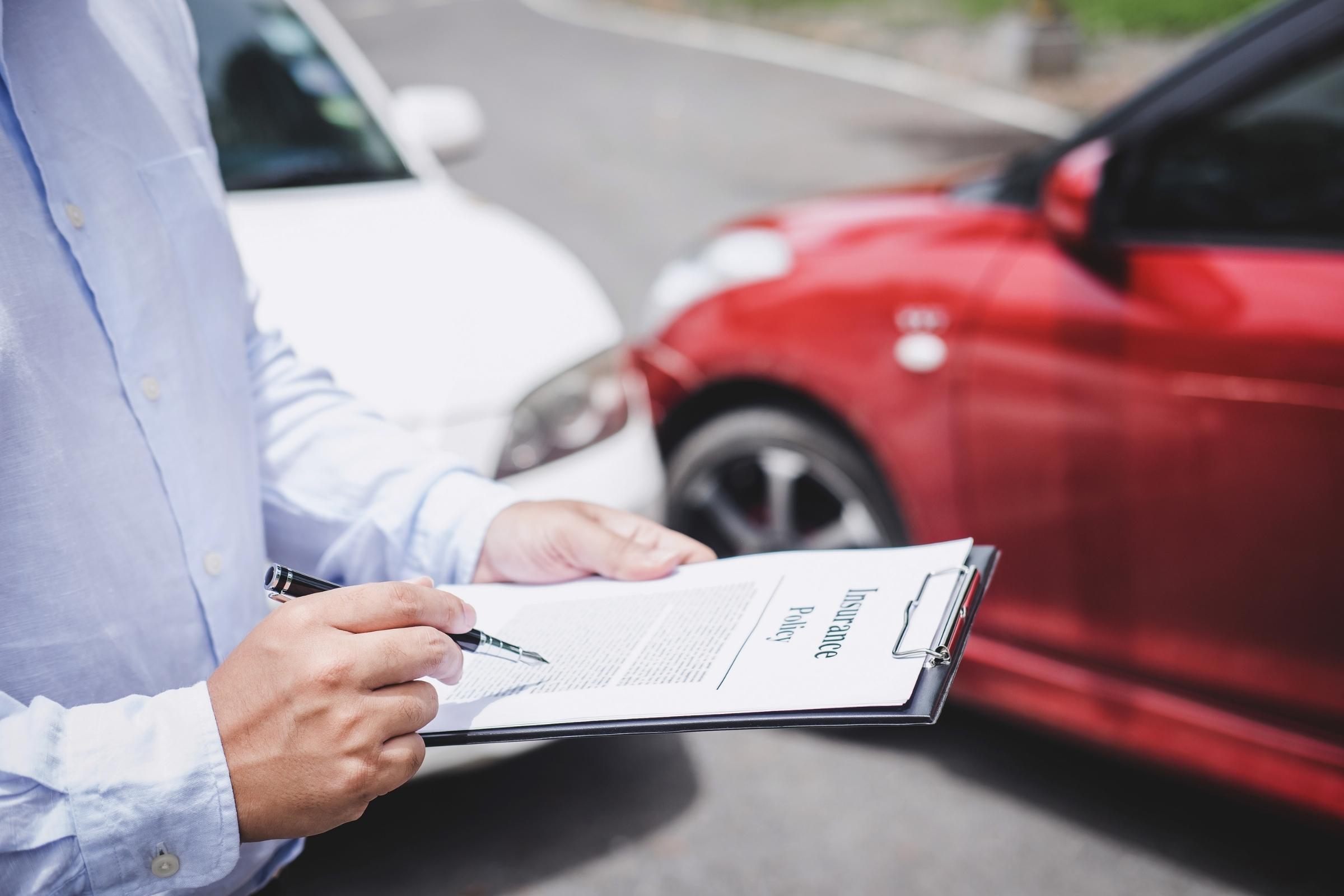
The fourth coverage in the package is Medical Coverage/Personal Injury Protection (PIP). Most policies stipulate a minimum dollar amount for medical expenses determined by the states that require it. Figures fall anywhere between $3,000 and $50,000.
Personal Injury Protection covers expenses related to injuries such as loss of income and rehabilitation.
Learn all the fine prints
Full coverage does not automatically include roadside assistance, car rental, and gap insurance. If you set a high deductible, you may lose features in your policy like Full Glass Replacement Coverage.
Ask your insurance agent to lay out all the options. Be clear about the protections and perks you want in your coverage package. Choose only the ones you need, and avoid purchasing unnecessary extras.
III | Parked Car Insurance

On-road accidents aren’t the only catastrophes you should worry about. Though a parked car stands a lower chance of damage, a chance is still a chance.
Once again, coverage for your parked vehicle depends on the insurance you purchased. The cause of the accident also determines if the cost for repair or replacement is covered. Comprehensive insurance protects your parked vehicle in most cases.
Events covered include:
- Falling tree
- Vandalism and theft
- Hail
- Car Fire
- Flood and storm damage
There is another way of claiming damage costs outside of your insurance. Suppose your car is damaged and you know the driver responsible. In that case, you can file a property damage claim against their insurer.
When you file a property damage claim against another driver’s policy:
- You don’t have to worry about finding any money upfront (deductible);
- Your insurance rate is not affected;
- And you are eligible to receive a rental car while your vehicle undergoes repairs.
Prepare for Potential Claims
Report all occurrences of vandalism to the police immediately. With an official report, you stand less of a hassle regarding insurance payouts.
Another option is to install a dashcam. Dashcams are becoming more widely used in safeguarding drivers on the road. They provide an objective witness in disputes of who’s at fault. If the driver leaves without a note, you could pick up a license plate or a face in the case of your parked car.
But say you don’t know who damaged your vehicle. If you have collision coverage, then your policy will cover the repairs.
So basically, the repair costs will come out of pocket if you don’t have comprehensive coverage, don’t know who damaged your vehicle, and have no collision coverage.
Having all three options at your disposal is a bonus. Still, if it stretches your budget, you can score two out of three with comprehensive insurance plus a dashcam.
IV | Factors that Affect Your Car Insurance Premiums
The calculation of your premiums reflects a collection of various elements. Factors we can group into three categories: driver, vehicle, and insurer.
Driver Factors
Age: This is where being too young can be a curse, and falling into a sweet spot can land you discount. Though each insurance company has its way of determining this discount sweet spot, twenty-five appears to be a popular choice.

Age and number of additional drivers: If you add another driver to your insurance policy, your rate reflects it. Add a young driver, and you’ll see a marked increase in your premium. A young driver’s lack of on-the-road experience and expertise falls under ‘increased risk.’ The risk you pose to any insurer automatically translates into dollar signs.
Driving records: Insurance companies want to know the drivers they insure are reliable. Since they can’t accompany you, they check your driving records for accidents and traffic violations. You can’t skip high penalties by switching companies after an accident. Each claim you file leaves a digital trail.
Credit score: Love it or hate it, you best take care of it. A poor credit score puts you in a bind with insurers in states where they can legally use it as a determining factor. It’s how an insurance company measures your financial stability. Again, they’ll charge buckets in premiums if you present a risk. Unless, of course, they flat-out reject you.
Home Ownership: If you have homeowner’s insurance and purchase your car insurance from the same insurer, you’re in good standing for a discount. Most insurance carriers offer multi-policy price cuts. So if you already have a home insurance policy, check out the advantages of getting your car insurance from the same insurer.
Location: Where you live affects your car insurance. If you live in an area where auto thefts and insurance fraud are prevalent, the backlash will also hit you. The same goes if you live in a rural area with high incidents of deer-related accidents. Your premiums may increase if you move into a high-risk zone. Alternatively, if you move into a ‘safe zone,’ your premiums may decrease.
Vehicle Factors
Vehicle year: Unlike age considerations for drivers, younger is better in car years. Insurance companies often offer discounts on coverage for newer vehicles. Old vehicles have been through the wringer and are more likely to develop accident-causing issues.
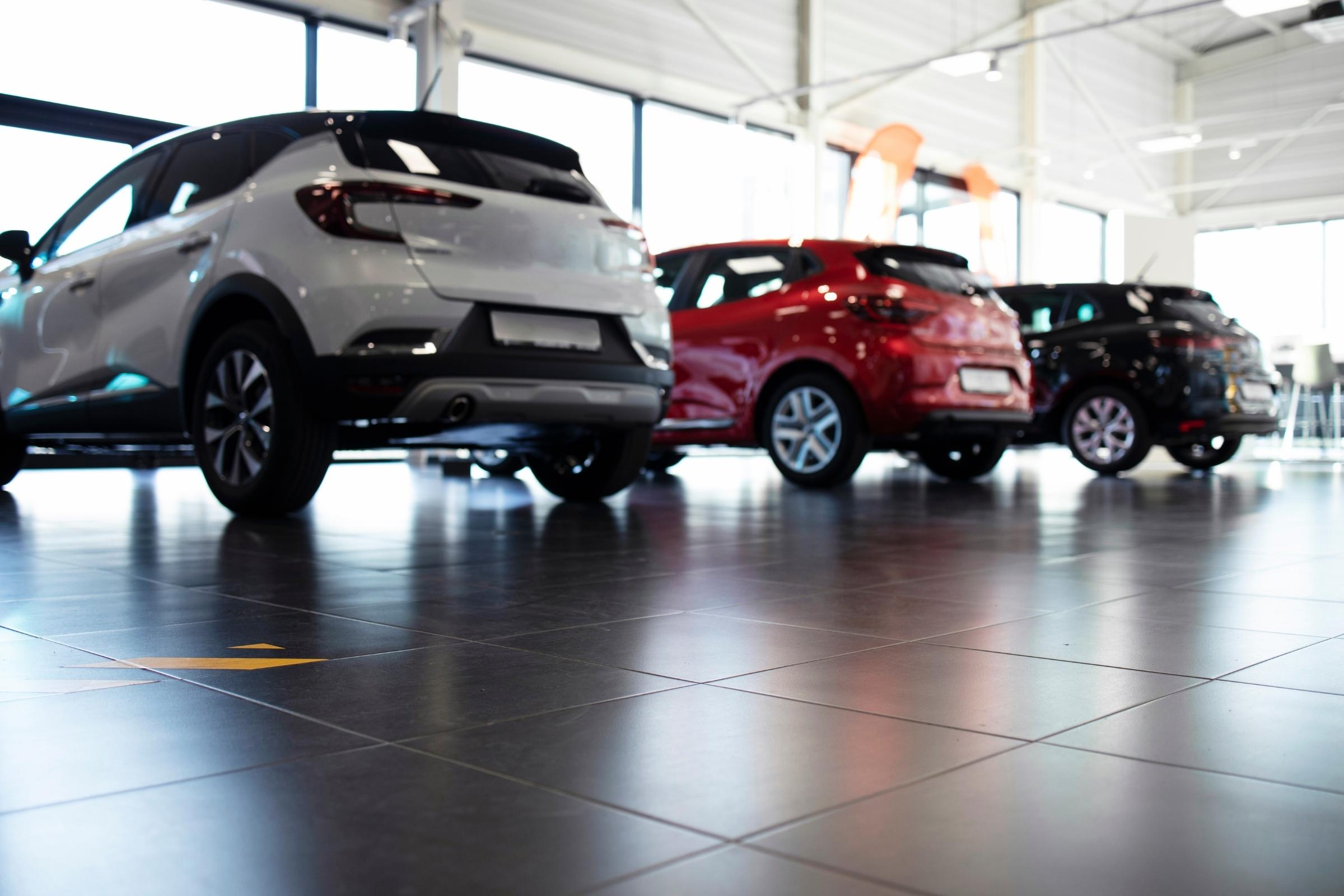
Make and Model: Both determine your car’s value, and your car’s value affects your premiums. Insuring a foreign luxury vehicle comes at a higher price than a locally made SUV or minivan.
The number of cars insured: Another package discount is on the horizon if you insure more than one car at the same company. Ask your insurance agent how much you stand to save by protecting all of your vehicles in one place.
Safety Features: Car manufacturers aren’t installing road safety features for show. They make their cars safer, making them more attractive to buyers. And the safety features you fell in love with, your insurance company loves them too. The simplest among them are airbags. Installing a car alarm could save you money on your comprehensive car insurance.
Insurer Factors
The insurance company: The type of company you purchase your insurance from matters. Signing with a private company may result in higher premiums than those offered by a public company. If your insurer has a high loss ceiling in that their payout claims rate is high, they may tack cost recovery onto your premiums.
Profitability: Since insurers are running a business, insuring your car has to benefit their profit margin. How much of a claim risk you pose determines your profitability.
Policy Duration: As an added incentive for your continued business, insurance companies offer lower premiums for long staying clients. Think of it as a client appreciation bonus, no matter how minimal.
State Laws: Again, location. Each state has its own regulation for insurance companies located there. You cannot insure your car for less than the stipulated minimum in your state. Additionally, some states like Michigan have additional fees that you and your insurer have to bear in mind.
V | How Can I Get Cheaper Car Insurance Premiums?

That is the question resting on all of our minds. Where are these discounts? How can I get them? What can I do to reduce premium payments?
Here are some simple strategies you can use to lock in lower premiums.
Shop around for better premiums: Compare the prices of all or at least the most trustworthy insurance companies licensed in your area. Although insurers offer the same features, their pricing schemes vary, and they don’t all offer the same incentives for discounts. Do a bit of leg work to discover the best match for you.
Increase your deductible: Calculate how much money you can spend out of pocket for repairs or replacement. After you’ve estimated a manageable budget, you can set your deductible threshold. Smart financial choices put you in better standing in the long term.
Make the grade: If you have a teen on your car insurance policy, their grades can earn you savings. If your child scores a B average or above, those grades could qualify you for an academic discount. Depending on your insurance company, discounts can range from 6 – 20 percent.
Be a good driver: All traffic violations can come back to haunt your premiums. Be a mindful driver on the roads and avoid infractions that may increase your insurance rate.
Learn to be a defensive driver: Although you can control your driving habits, you can’t control others’ practices. You can, however, learn how to defend yourself against possible collisions. Insurance companies offer discounts in these instances when you complete an approved defensive driving course. Ask your agent about the classes preapproved by your insurer before signing up.
Walk: Don’t freak out, but you don’t have to drive everywhere. If you’re moving from one location to the next and it’s an easy walk or a short bus ride, use those two options. It may sound drastic, but insurance companies offer discounts based on your mileage. Ask your agent about the mileage threshold and see if walking the extra mile for a cheaper rate is an option for you.
Pay-As-You-Go Insurance: If you, by current practice, are a low mileage driver (~10,000 miles/year), a usage-based insurance program may be a good option for you. Signing up for this program grants your insurer permission to track your driving in exchange for possible discounts.
The bigger the vehicle, the higher the rate: Resist the temptation of going big, as you might go broke if you’re on a limited budget. Insuring an SUV is far more expensive than insuring a low-cost commuter car. Some insurers even offer discounts if you purchase a hybrid or alternative fuel vehicle. If you haven’t yet purchased your vehicle, research the rates for the cars on your wish list.
Improve your credit score: When an insurance company calculates the risk of taking you on as a client, they consider how responsible you are. They do this by checking out your credit score. The overall theory is that you are less likely to file a claim if you are responsible for your personal life and finances. Especially trivial ones.
Reduce points on your license: If you’ve met in a few fender benders or collected one or two tickets, the points on your license make you unattractive to insurers. But take heart. You can improve your record by taking approved courses in defensive driving, accident prevention, and other similar classes.
Anti-theft devices: Like with your home, anti-theft devices show your insurer you are proactive in protecting your property. Ask your insurance agent what tools will qualify you for a lower rate. Then, consider if springing for the device saves you enough to justify the purchase.
Tailor your insurance package: Pay only for the features you need. Drop all the unneeded bells and whistles some agents will try to sell you.
Conclusion
Choosing the right car insurance protects you, your family, and your property in the event of accidents, human error, or otherwise. It’s a worthwhile investment and one you should not take lightly.
- Learn the minimum requirement for your state;
- What options are available to you;
- And assess how your current financial situation limits your options.
Insurance costs increase each year. Check the market yearly to see if better options arise. While you seek to save on premiums, don’t go cheap; go affordable. A low price doesn’t automatically mean the best choice. It’s better to spend for proper coverage than leave yourself underinsured.