
Rebuilding or repairing your home after a disaster is a long, complicated process. Here’s what you need to know about the cost of rebuilding your home and the primary considerations you’ll need to juggle for a speedy resolution.
I | Is Your Home Insured for Its Full Replacement Cost?

The answer to the question we’re tackling in this section isn’t something you can change after the fact. The homeowners policy you bought is the policy you’ll have to work with for the current disaster you face.
Any alterations you want to make to your policy won’t come into effect until after the current settlement’s sorted out. Not being able to change provisions on the fly is why buying sufficient coverage from the start is crucial.
Policy Limits
Most insurance companies account for inflation when writing up policies. An inflation protection clause increases your payout to reflect current market conditions.
Anticipating the rising labor and building costs ahead of time ensures you have adequate coverage after a major disaster.
But, like so many contracts, there is a catch. Your insurance coverage limit will keep up with the current inflation rate only if you have replacement cost coverage. With this coverage, your insurance company will cover the total replacement cost value (RCV) of repairing or replacing your home with one of “like kind and quality.”
Think of it as a semi-carbon copy of your home before the damages—similar structure, size, and the number of rooms. If you lived in a two-bedroom house with one bathroom, kitchen, and no garage, that’s what your insurance company will pay to rebuild. No added frills like a new garage, deck, or porch included.
Limit Revisions
Once you’ve set your policy limits, it’s your responsibility to revise them as your situation changes. Although RCV replaces your home with one of a similar kind, this will only happen if your insurer has the details on record.
Significant improvements to your home, like a new room or deck, will increase its value. Not informing your insurance agent beforehand and making the necessary adjustments to your policy will leave a costly gap in your coverage.
Replacement cost coverage works best when set at 100% of the home’s value. It’s not comfortable thinking about completely losing your home, but it’s possible.
We’ve seen the devastating effects of wildfires and worsening weather conditions in the US each year. And with the rising cost of repairs and construction materials, especially during times of crisis, emergency planning is a must.
Other Types to Consider
Along with the inflation protection clause, there are two additional options for strengthening your policy.
1. Extended Replacement Clause
An extended replacement cost policy does what the name suggests—it expands your coverage limit. This policy will cover the rebuilding of your home to its original condition if the rebuild costs more than your initial dwelling coverage limit. Insurers cap the amount at a certain percentage of the home’s value.
2. Guaranteed Replacement Clause
Guaranteed replacement guarantees the full coverage of replacement costs. There are no percentage limits on GRC. Whatever the construction cost, your insurance company will cover it.
Some insurance policies extend the guarantee to replace personal items.
The Bottom Line
Replacement cost value, extended RCV, and guaranteed RCV policies give you a higher payout, factoring in the current costs of repairing or rebuilding your home. The premiums will reflect the bolstered protections they offer.
An actual cash value policy has cheaper premiums, but it calculates depreciation. It won’t factor in the present cost of labor or materials. Saving on insurance payments now can cost you thousands in out-of-pocket expenses in the future.
Recovering after major disasters is expensive. Cover your expenses with the best insurance policy option possible. It’s an investment you don’t want to meet into trouble without.
II | Factors That Affect Rebuilding Costs
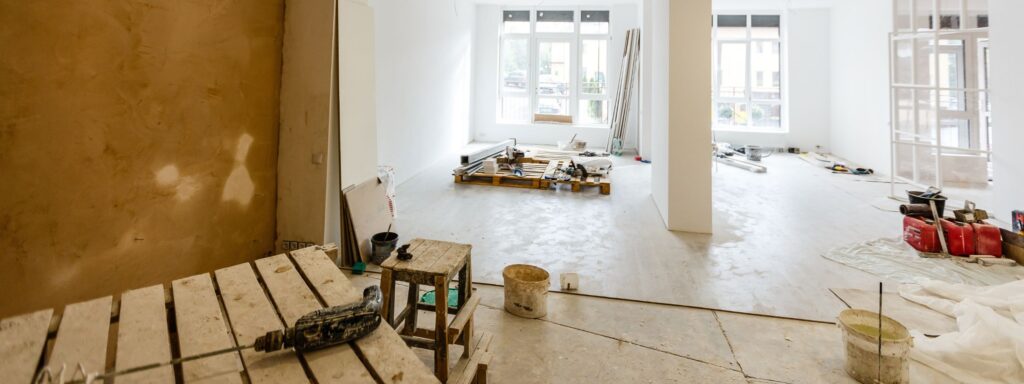
Real estate value, contractor fees, and the cost of construction materials fluctuate. Industry professionals can predict the general flow of prices, but you can’t predict when they’ll affect you.
After applying for a claim, your insurer will send an adjuster to inspect the damages. From the adjuster’s assessment, you’ll receive an estimated replacement cost. This cost shows how much it might take to rebuild your home to its original condition. Whether this estimate is adequate is a matter for further examination.
Main and Secondary Damage
Damage can escalate while addressing a disaster. If your house catches on fire, it will sustain additional damage from the water used to control the blaze.
Even if firefighters contain the blaze in one section of the house, perhaps a top-floor room, the water would spread, causing flood damage in downstairs areas.
The secondary flood damage can lead to other issues like rust and mold, along with damages to furniture, fixtures, and appliances.
Disaster Clean-Up
Before rebuilding or repairing, you need to clean up. Disaster cleanup, in most cases, comes at an additional cost. It involves removing debris from inside your home and yard. Cleaning away smoke damage. Clearing out damaged furniture, rugs, and other household items. You’ll also need to hire a debris removal company for disposal.
It’s a lengthy process that you can’t undertake without incurring extra expenses.
Specialists
Damage assessment is part of the repair process. After a disaster, a thorough inspection will highlight all that needs fixing and replacing.
If your home suffered from water damage, a mold specialist would inspect your home for any signs of mold infestation. Should the specialist encounter any mold, mitigation is the next step.
The damage may have also affected the stability of your home’s structure. A reconstruction specialist can assess the safety of the remaining structure and let you know what you need to remove before rebuilding. They’ll also give you an estimate for the scope of work required.
A landscape specialist can help restore the grounds of your home. They’ll draw plans for your new landscape, fences, and other outdoor features.
You’ll have to pay extra fees for priority service for rush jobs.
Building Supplies
It’s a common practice for suppliers to increase the price of materials in an area affected by a natural disaster. Some see this as price gouging, while others argue it’s a way for suppliers to decrease the effect of goods shortage.
Whatever the case, the extra costs will bite into your insurance payout. Your need to return to your life as soon as possible makes shopping for the best prices more tedious.
Material deliveries may also see delays. If you want to rebuild in the shortest time possible, expedited shipping is an option for rush jobs.
If you decide to downgrade the components of your home, you won’t receive the unspent difference in cash. Make the most use of your claims payout.
III | Other Considerations While Rebuilding

When you lose your home, the ripple effect affects your entire life.
Additional Living Expenses
The claims process, no matter how prepared you are, takes time. Some states have strict laws on the deadlines for insurance companies to act on your claims application.
Despite the regulatory efforts, some insurers drag out the process with investigations. It’s a practice commonly found with large claims. Rebuilding a home from scratch costs money.
While awaiting the results of your application, you and your family will need temporary lodgings if the home is uninhabitable.
Check your homeowners insurance policy for details on how your insurer handles Alternative Living Expense (ALE) coverage. Some companies advance you the money, while others offer refunds.
If you lost your documents, do an insurance check with your insurance agent. Ask about the dollar limit and other restrictions.
General Life Expenses
You may need new clothing, hygiene products, food, and other essential items. Some policies cover renting specific things you’re used to living with and laundry expenses.
Extra transportation costs may also apply if you lose your car or commute from your temporary housing increases your mileage. Your home and auto insurance should cover your transportation needs depending on your policies and whether both are in effect.
IV | Working With Your Insurance Company

Adjuster and Appraisal Report
Once the insurance company receives your claim, expect an adjuster. The adjuster will assess the property damage and write up a report. Remember that the adjuster works for the insurance company and its interest. They may help you through the claim process, but the adjuster is not your advocate.
Stick with only the facts when speaking with insurance adjusters. Whatever you say can be used in disputing your claim.
Hiring a public adjuster is an option in some states. The adjuster you hire represents you and your interest. They’ll also receive a percentage of the settlement as payment.
Your Claims Check
You can dispute a claim settlement immediately or submit a supplemental claim later.
Start with your repairs or rebuilding with the initial funds you receive. Disputes add time to your recovery timeline. File a supplemental claim if the actual cost exceeds the insurance payout.
You can file a supplemental claim if your contractors encounter additional damages. The insurance adjuster is not a construction specialist. They may miss problems not readily seen, like damage to foundations and essential systems like your plumbing.
Document all of the newly discovered damages. Don’t repair them until an adjuster comes and verifies your submission. You can file multiple supplemental damage claims. Speak with your insurance representative about any timeframe limitations.
Involving a specialist to check for these issues from the start can help you file a comprehensive claim with documented, expert evidence and estimates.
V | Rebuilding and Working With a Contractor

Your insurance claim is only half of the process.
As the homeowner, it’s your responsibility to research construction companies, contractors, specialists, and other services you need as part of the rebuilding process.
Your insurer will ask for estimates and invoices from insured, licensed contractors, and subcontractors. Compare the costs of local companies and submit the documents from the company or companies you choose.
Avoid Scams
Before submission:
- Review the contractor’s credentials.
- Ask for their license numbers and verify their status with your state’s licensing agency.
- Stick with local candidates established in the industry with a solid reputation and good customer reviews.
Look out for red flags of potential contractor scams.
- Avoid contractors who can’t show identification or business information.
- Never pay in advance. Pay your contractor in installments based on the percentage milestones set in your contract. The American Institute of Architects has sample contracts you can review.
- Never sign over your insurance check to a contractor.
- Never pay in cash. Leave a paper trail of all payments. If they tell you they accept only cash payments to speed up the process, strike them off your list.
- Never sign a contract you haven’t read and understood. The contract should include the builder’s updated business and insurance information.
According to the Coalition Against Insurance Fraud, American consumers lose $80 billion yearly because of insurance fraud. Visit their website to learn more about how to avoid scams and how you can file a report if you suspect it happened to you.
Conclusion
The cost of rebuilding your home adds up fast. The claims and rebuilding process are a little easier when you know what to expect.
- Review your policy. Highlight all the benefits you’re due and note all exemptions and restrictions.
- File a well-documented claim with video and picture evidence of the damage, expert assessments, and estimates to bolster your application.
- Be honest with your insurance company so you’ll remain on the right side of the law, but watch out for bad faith tactics they may use to undermine your claim.
- Hire specialists to access the actual damage and work with licensed contractors for your repair and reconstruction projects.