
It’s the new year and time to prepare for whatever it has in store. We’ve been seeing some crazy times of late, and more than ever, planning for the unexpected is a game-changer.
So, with that in mind, let’s look at some homeowner resolutions.
I | Update/Create Home Inventory List
A home inventory list records your possessions and is an essential addition to your household documents. Your home insurance covers your personal items. Maintaining up-to-date records of your belongings, especially expensive items, will lessen the stress of filing an insurance claim.

The list lets you know what’s damaged or missing after a disaster or burglary.
Many homeowners welcome new household components over the holidays. Either purchased or received as gifts. In the spirit of the Christmas splurge, a few will be big-ticket items like a big-screen TV, dishwasher, air conditioner, washing machine, etc.
Now’s the perfect time to update your home inventory list with the prices and copies of the receipts (if you bought it) or estimate how much each cost (if it’s a gift.) You can take it a step further for extra credit, note the serial numbers, and take pictures.
Once you’ve updated the list, the additions may be enough to warrant added coverage, or they may not. All the same, it’s good to have a running list of everything valuable in your house. Remove items you no longer own.
II | Declutter Unused Items
While creating your home inventory list, remove the clutter of things you don’t need or use anymore. An uncluttered home gives you room to enjoy your new gadgets without the old ones taking up unnecessary space. It also makes cleaning the house a lot easier.
Assess your household items. There might be a few things you can sell and make a couple of dollars.

Check your closets for clothes you haven’t worn in ages. Set aside the ones in good condition for donations.
Tackle the junk drawers in your kitchen, bedroom, office, or anywhere you stash random odd ends, and start cleaning. Recycle gift boxes and use them as drawer organizers for small items. With everything in its place, locating what you want will be easier.
III | Start an Emergency Fund
Although you have home insurance, a backup emergency fund is an asset. Unless your home suffers significant damages and the cost for repairs and replacement surpasses your deductible, you’re responsible for the bill. Remember, the deductible is the amount you pay before your policy kicks in. An emergency fund can cover this.

Your policy won’t help with a broken water heater or a leaky roof. Minor to semi-minor maintenance issues, repairs, and replacements are more manageable if you have the funds set aside.
Yes, you may have a credit card, but using it adds debt to your credit history. Keeping or getting your credit on track is another essential goal for your financial health.
Life is unpredictable. And the cost of homeownership is ongoing. An emergency fund will help you tackle the unexpected without blowing your budget.
IV | Reduce Energy Consumption
‘Saving’ is a reoccurring resolution on most of our lists. We consider setting aside extra money for special occasions, debt repayment, or increasing our savings yearly. If you haven’t already, add conservation to your action plan this year.
Energy costs eat a sizable chunk of most of our budgets.
Depending on where you live, this chunk often comes from cooling and heating.
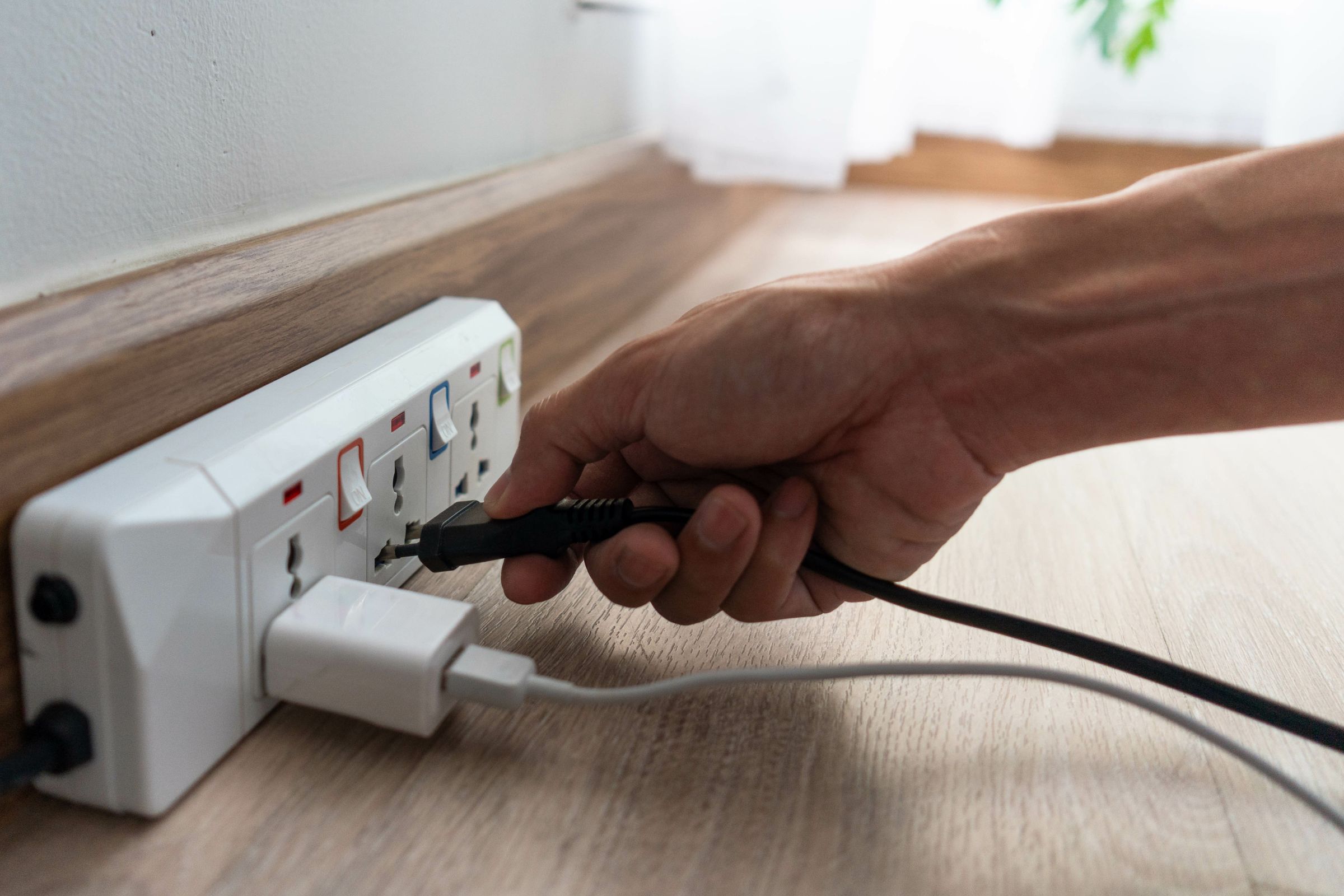
Making your home more energy-efficient can be a no-investment or small investment change. It starts with monitoring your energy consumption and unplugging devices when they’re not in use. Then, switching out old lightbulbs for newer models that consume less electricity for the same or brighter results.
Installing a reflective film over windows and refreshing ceiling insulation are medium investments. On the higher end is purchasing Energy Star appliances that help you use less electricity and water. There is no shortage of blogs advising how to reduce your energy usage.
Some utility companies offer home energy audits. This audit will let you know where you use the most energy. With this information, you can create a conservation plan to cut dollars off your energy bills and be more energy-efficient.
V | Be Mindful of Maintenance Tasks
If you don’t take care of your house, you could pay thousands of dollars later in repairs. Make sure you don’t put off maintenance chores that need to be done.
A small leak can damage your roof, which affects your insulation, and poor insulation drives up your energy consumption.

You’ll pay more each month (as long as the problem persists) for this increase in your energy level. As you can see, it’s all a domino effect.
Do home repairs every year. Some are one-offs, and others require ongoing action. Create a trigger list or maintenance schedule for your home maintenance tasks. Note if you need to do these tasks daily, weekly, bi-weekly, monthly, quarterly, or yearly.
Take cleaning your AC filters, for example, is a quarterly task. Cleaning your drains and downspouts can be done monthly unless there is severe weather like a storm.
Forgetting the “small stuff” is easy when we have more fun ways of spending our money. Keep a list of maintenance projects. Minor, inexpensive problems can cause expensive disasters if ignored.
VI | Tackle Your Mortgage
There are ways you can lower your mortgage payments. Two of the most common methods are:
- Increase your monthly mortgage payments
- Refinance your mortgage
Paying off your mortgage will save you thousands of dollars in interest.

It also means you’ll own your home faster. You can plan for an increase in your monthly payments or make 1-3 extra payments for the year toward your principal, not your interest. Make sure to point this out to your lender. When you lower your principal, you shave off the interest.
To make the increased payments permanent, speak with your mortgage company. See how much you can save by reducing your 30-year mortgage loan term, for example, by a couple of years. Only do this if you’re confident your financial situation can handle the permanent increase in your monthly payments.
Refinancing can help you lower your mortgage rate and shorten your loan term. The shortened time means an increase in your monthly payments. Again, ensure you can pay the increase without lapses or late deposits. Both come with credit risks and the possibility of you losing your home.
Simply dropping extra payments whenever possible is more flexible and isn’t as much pressure.
VII | Reduce Your Insurance Rate
Aim to pay less for insurance this year. Insurance companies love low-risk clients and compensate them accordingly. This compensation offers favorable rates and discounts.
Up your fire safety with smoke detectors and install other security features to protect your home from break-ins.

Bundle your home and auto insurance with the same provider. Check the cost of bundling and if it saves you enough to warrant the change.
Sprucing up your insurance should always be on your resolutions list. Your circumstances change, sometimes requiring less or more insurance coverage. Don’t skimp on protecting what matters to you.
Conclusion
Start setting your entire household up for success in the coming year.
- Update or create your home inventory list. No one wishes for the worse, but it’s best to always prepare for it.
- Declutter unused items by surveying your entire house. There are things in there you haven’t used in ages. And knickknacks you don’t remember having because they’re in a closet or drawer somewhere under mounds of other things. Clear it all out.
- Start an emergency fund and reduce the anxiety off your plate. Remember, your home insurance comes with a deductible, and owning a home means saving for ongoing maintenance.
- Reduce your energy consumption and save money on your bills. Energy savings tips are everywhere. You can even find them in the appliance manuals.
- Be mindful of maintenance tasks. Don’t procrastinate on minor problems, as they can turn into costly fixes later. A small leak can sink a ship and also tear down your roof.
- Tackle your mortgage the best you can with your current budget restraints. Paying off the loan sooner or refinancing for a low-interest home loan will save you money on interest payments.
- Reduce your insurance rate with improvements that up the safety of your home. Speak with your insurance company about the changes you can make for a lower rate.
This list is not the most extensive checklist of resolutions, but these seven can impact your home life. Include a few of them and see how much you can save in the new year.