Homeowners make some common mistakes when purchasing insurance. Some are minor, while others can cause headaches down the line and thousands of dollars to fix.
This week’s blog will review common mistakes you should watch out for when purchasing a home insurance policy.
I | Mistakes to Avoid When Buying Home Insurance
1. Placing prices over quality coverage
Right from the start, if you purchase the wrong policy, you’re setting yourself up for future disappointments. Nothing hurts your pocket more than investing your premiums in insufficient coverage.

And often time homeowners don’t realize this mistake until they file a claim, and it falls way below replacement or repair costs.
This stark realization happens often enough to be of concern. Some homeowners invest in insurance coverage that offers them minimal to no protection at all. They end up in financial binds, filing dead-end insurance disputes to fight their insurer for protections not accommodated by their policies.
For savings, comparison shop for affordable and competitive prices and insurance discounts. There are special insurance offers for veterans, married couples, and workers in the public sector like nurses, doctors, police officers, etc.
Think of your home insurance coverage as a pair of new shoes. Make sure it’s the right fit, and its design keeps your protection and comfort in mind. Fixating on the cost of your monthly premium instead of the coverage quality may lead to you underinsuring your home.
2. Not Choosing quality customer service
While searching for the lowest prices, don’t sacrifice the comforts of quality service. There’s a reason why businesses add comprehensive customer service offerings to their more expensive packages.

It makes a difference in the overall quality of your experience.
Some insurers are more focused on selling policies than on the needs and concerns of customers. These needs include understanding the coverage they’re buying, reliable communication lines, timely processing of applications, and reasonable claim times.
Read reviews on customer satisfaction when researching an insurer.
3. Not comparing multiple companies and agents
Insurance carriers use statistical information to predict the likelihood of you filing a claim. Your age, credit score, where you live, the number of pets in your home, etc., are all used to determine your premium.

The information they collect and the ones they emphasize most differ from company to company.
It all connects to you being favorable with one insurance company and being a liability risk with another. Shopping around gives you a better sense of where you stand.
Picking an agent is also part of the process. You can choose between a captive agent representing only one insurer or an independent agent representing more than one. Independent agents can give you multiple insurance quotes for reference.
Speak with a couple of agents before selecting one. Pick their brains with questions to see who inspires the most confidence to work with them. Make sure the agent you choose is legitimate with an active license.
4. Not understanding the perimeters of your policy
Signing a policy contract without clearly understanding what it entails is a bad idea. It might be tedious, so if you’re struggling, ask your insurance agent for a summary highlighting what your insurance policy covers versus what it doesn’t.
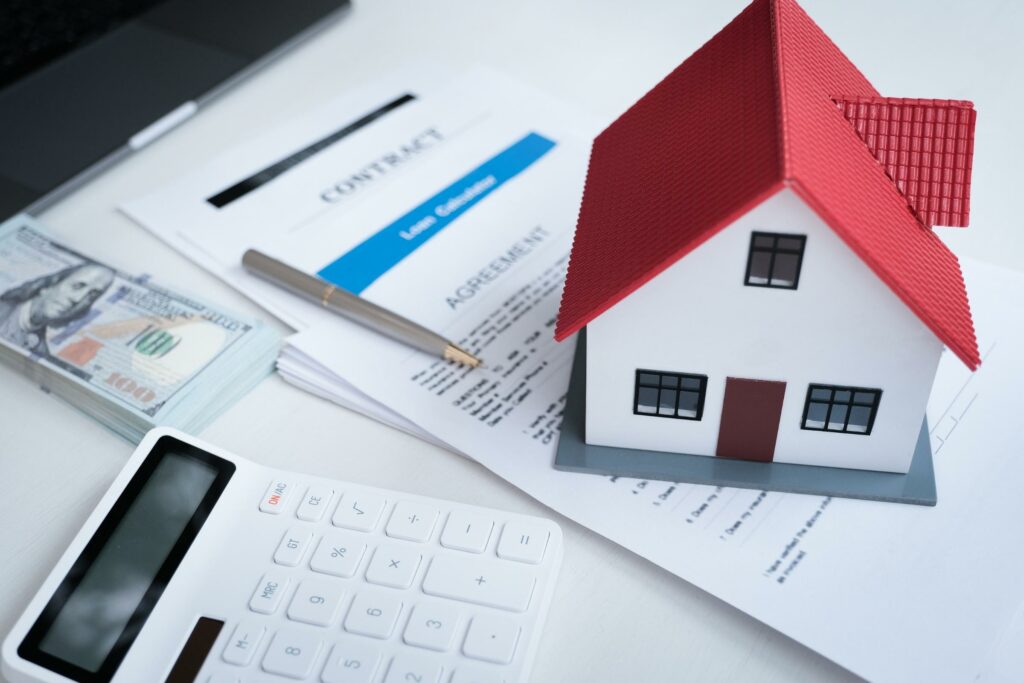
Read all the fine prints and understand what your policy covers and the qualifying causes.
Replacement cost versus actual cost
Learn the difference between replacement and actual cost. Choosing the wrong option is the difference between completely replacing damaged items and not.
An actual cash value (ACV) payout reimburses the original price for your home and personal items, calculating depreciation. While your home and possession lose value over time, construction materials, labor, and product prices go up.
If you bought a radio for $10 in 2019, unless you find the same one at a garage sale or pawn shop, the newer model in-store would cost more. Likewise, if you built your house in the same year for $30,000, rebuilding it now may cost you double.
Replacement cost value (RCV) covers repairs and replacement at the current market price without considering depreciation at the time of loss. Even if this payment option doesn’t cover the entire bill down to the cents, it leaves a smaller gap than actual cash coverage.
Deductibles
Setting your insurance deductibles too high or too low can be expensive. Either you’ll pay a high premium if you put it too low, or you have to pay a large sum of money upfront after a disaster if it’s too high. Going too far on either end defeats the deductible’s purpose in helping you save money.
5. Not factoring in the unavoidable risks to your home
Many homeowners are unaware a standard policy doesn’t include flood losses. Not everyone needs it, so it’s extra coverage you add if you live in a flood-prone area.
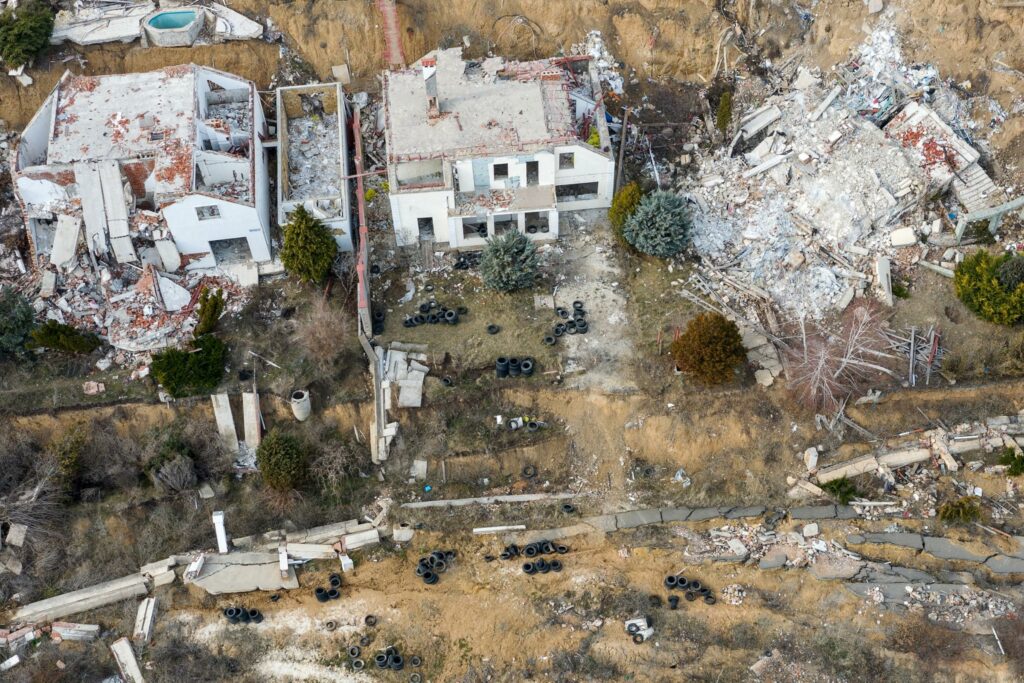
Flood insurance covers water damage due to torrential rains, hurricanes, storm surges, and tropical storms.
Recovering from flood damages is pretty expensive, as those who’ve suffered from hurricanes like Sandy and Irene can attest.
Buying coverage last minute will not do you any good, as flood insurance has a waiting period of 30 days before it takes effect. Insurance providers implement this period to protect themselves from last-minute applicants who sign up for coverage when they hear of a hurricane headed their way.
Earthquake coverage is another add-on feature. Although standard policies offer coverage for fires caused by an earthquake, the damage the quake causes aren’t listed.
Living outside of California doesn’t exempt you from the risks of earthquakes. States with the highest risks, according to the United States Geological Survey, include:
- Alaska
- California
- Nevada
- Hawaii
- Washington
- Wyoming
- Idaho
- Montana
- Utah
- Oregon
If your area suffers from brutal snowstorms, not all policies cover the damage caused by the weight of ice, snow, or sleet. Maintenance damages, mold protection, and sewer backups aren’t covered either.
Consider the natural disaster and outlier risks you face. Customizing your policy with these added provisions can increase your monthly payments, but it’s better to have protection than not.
6. Buying coverage for the wrong occupancy
The wrong occupancy can be grounds for denying your claim based on your policy. It may seem odd, but occupancy does determine the type of homeowners insurance you should purchase.
Policies cover different kinds of living arrangements:
- If you live in your home with your family plus or minus a pet (Standard Homeowner Insurance)
- If you own a home but rent it out to tenants while living elsewhere (Landlord Insurance Policy)
- If you own a home that’s currently unoccupied (Vacant Home Insurance)
Each of these instances comes with unique risks factored into the level of coverage and the pricing.
7. Not buying enough coverage to cover your personal property
While protecting the physical structure of your house against damage, consider your personal property as well. Calculate the cost of repairing or replacing the contents of your home.

Keep receipts for valuable items and an updated home inventory list. This list will be critical if your home suffers extensive damage.
If you’re a collector or have family heirlooms, discuss the relevant contents with your agent and determine the best way to appraise their value.
8. Not updating your coverage at least once a year
Things change, and your insurance coverage should adjust with you. Whether you renovated your kitchen, installed a new swimming pool, or upgraded your plumbing, extensive changes to your home increase its value. Added value requires bolstered coverage.

Additionally, installing security devices like smoke detectors and security bars can lower your premiums.
Conclusion
Avoid the mistakes we discussed by making informed decisions about the types of insurance you require and the quality of coverage.
- Don’t place price over quality coverage or customer service.
- Compare multiple insurance companies and agents before choosing the one.
- Understand all the provisions of your policy before signing the contract.
- Consider the unavoidable risks of natural disasters.
- Buy coverage for the correct occupancy.
- Buy enough coverage to replace your personal belongings.
- Update your policy yearly for continued protection.