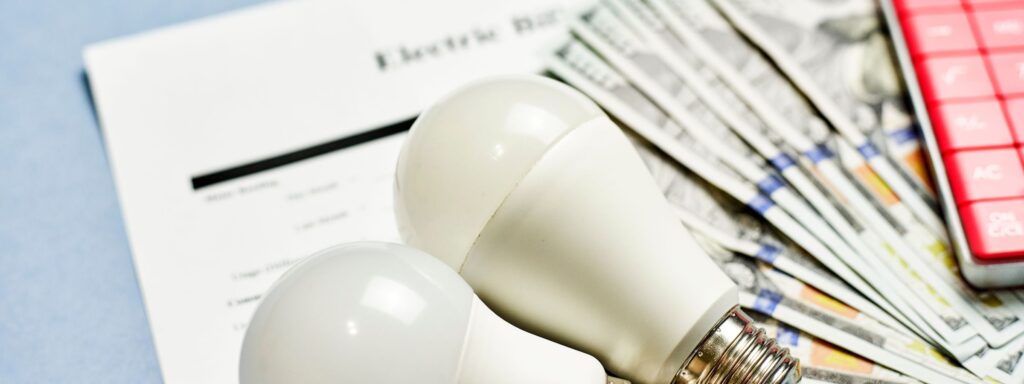
With the surge in gas prices, another hike is unavoidable—hefty utility bills. According to the EIA, residential electricity prices in the U.S. will average 14.8 cents per kilowatt-hour in 2022. This average is a 7.5% increase from last year.
Reducing the impact of this nationwide increase on your budget requires minimizing waste and cutting back on unnecessary usage. It also means being mindful of your habits and how they contribute to higher bills.
Here are some strategies you can implement to prevent colossal energy bill surprises.
Ways to Save on Your Energy Bill
1. Shop with saving in mind.
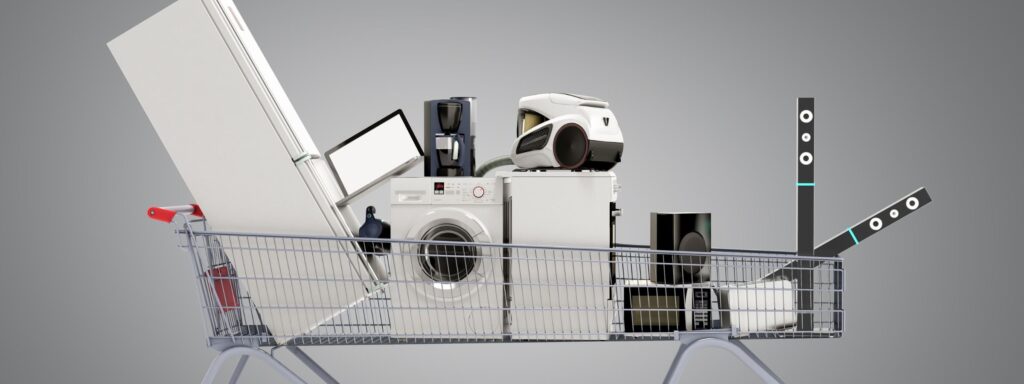
Saving on your energy bills starts with your household appliances. Some are energy-efficient, while others, mostly older models, are energy guzzlers. If you plan on buying new appliances for your home, shop for energy-efficient appliances.
Energy-efficient appliances
If you’re shopping for a new water heater, washing machine, or dishwasher, check the models you’re interested in for the Energy Star. A dishwasher with an Energy Star label uses about 3-3.5 gallons of water or less per cycle. Older models use 10-15 gallons per load.
Swap out your older appliances for newer, energy-saving options when it’s time to replace them.
Energy-efficient light bulbs and showerheads
Choose energy saver bulbs for your lighting fixtures. Change out your older-style light bulbs for compact fluorescent or LED bulbs. The low electricity usage of newer light bulbs gives the same lighting brightness or lumens as traditional lights and lasts 25 times longer.
Comparison:
- 100-watt incandescent bulb = 1600 lumens
- 20-watt LED = 1600 lumens (+ less heat)
Start with the change out with the most used fixtures as you transition.
Install a newer water-efficient showerhead and save up to 2900 gallons a year. Look for one with the WaterSense label.
Solar lighting
Use solar-powered lights outdoors instead of lights running on dirty electricity. Solar bulbs take advantage of the sun, producing clean energy. They are also affordable and come with upgraded features like motion detection. Motion sensors will switch lights when someone approaches your house, so they don’t burn all night. This extends the lifespan of the bulbs and lowers your energy use.
2. Monitor your usage and habits.
While switching out your appliances, lights, and showerheads, your habits and energy usage is still necessary.
The lights
If you plan on leaving a room for an extended period, turn off the lights. Switching off unnecessary lights also goes for LED fixtures. As much as they come with built-in savings, they’re racking up coins for nothing if they are not in use.
Getting the kids to follow this rule might be tedious in the beginning. Still, they should understand saving is a family effort.
Energy leaks
Turn off the television, computer, and other electric appliances when they’re not in use. You can take it a step further and unplug these devices. Turning them off doesn’t mean they’re not drawing some amount of electricity or phantom energy.
Computers, for instance, and all the peripheries attached, like your monitors and printers, use standby energy. Plugged-in appliances with digital clocks do the same even when turned off. Standby energy use isn’t always of immediate concern, but it leeches energy in the background.
Unplugging each device is a hassle. Consider purchasing smart power strips. These strips will cut the electricity when the devices aren’t in use.
Water leaks
Procrastinating about fixing your leaky pipes and faucets can waste gallons of water.
Shorter showers
If you bathe with a regular shower head, you’re using 2.5 gallons of water per minute. A 10-minute shower takes 25 gallons. Add 2.5 gallons every minute after, and you see it pile up.
If you shower twice a day, that’s 50 gallons of water for a single person per day. Imagine how much water a multi-person household will use! And we haven’t counted flushing the toilet, washing the dishes, cooking, or anything else requiring water.
3. Heat and cool responsibly.
Heating and cooling are the banes of all electricity bills, especially when you live in an area with extreme weather.
Proper insulation is essential.
Damaged insulation allows the rapid release of heat or coolness from your house. When this happens, your unit works double-time.
- Check the seals on windows, doors, and your fridge and freezer for leaks and repair or replace them immediately.
- Make sure external walls, attic, flooring, the basement, and crawlspaces are all properly insulated. Insulations deteriorate over time. Check for damages at least once or twice a year.
- If you use a window air conditioner, prevent air leaks between the unit and window with weather stripping or foam insulation.
- Close the fireplace damper when you’re not using it to prevent heat loss.
Check the default settings on your water heater.
The default temperature setting for most water heaters is 140 degrees. Lowering the temperature to 120 degrees reduces energy use and heating costs. It also gives the same results.
If your heater comes with a timer, make use of it. Set the time when it should turn on or off. Turn it off when you’re headed to bed, and set it to come on before your morning shower. If you’re leaving town, turn it off or set the heater at its lowest setting.
Drain the sediments from the heater at least once a year to maintain efficiency.
Manage the temperatures indoors.
Set the thermostat at the most comfortable temperature for you and your family.
Dress appropriately according to the weather instead of using the heater or air conditioner as compensation. During the winter, wear warm wools and fleece; in the summer, choose light, breathable fabrics.
Lower the thermostat a few degrees when leaving the house or going to bed.
Maintain your heating and cooling units.
Dirty or damaged filters, leaky ductwork, and lousy ventilation affect the efficiency of your heating and cooling systems. Old units and those that aren’t properly maintained run less efficiently, increasing your bills.
- Change the filters regularly;
- Clean the vents and avoid blocking them;
- Follow the manufacturer’s manual for maintenance guidelines.
4. Avoid the traps of convenience.
Modern conveniences make everything easier. But, they also translate into higher water and electricity costs.
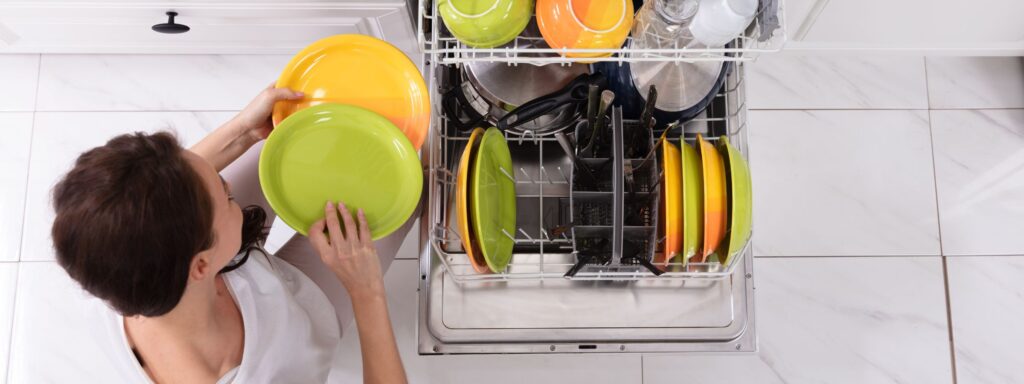
Turn off the heat dry on your dishwasher.
Air drying your dishes was a thing before the energy-consuming convenience of dishwashers. Skip the dry cycle and open the door once the wash cycle is complete. Unless you’ve run out of utensils or plan to throw a massive dinner party, you probably don’t need your dishes dried quickly.
Only run your dishwasher with a full load. Hand-wash your dishes whenever you can.
Let your food thaw.
Allowing your food to thaw takes longer. But it also doesn’t contribute to your electric bill. Thawing frozen foods in the microwave and cooking them on an electric stove adds money to your bills.
Take the food out ahead of time, rest it in a bowl or dish, and allow it to reach as close to room temperature as possible.
Pin out your clothes.
Quick-drying items and small loads use unnecessary energy. Pin them out.
Fans work.
Take some of the load off your air conditioner by using fans. Ceiling fans help with air circulation, and though they use electricity, it’s far less than an air conditioner.

5. Landscape to save energy.
Landscaping can save you money during the winter and summer months. A well-designed layout protects your home from the blazing summer sun and harsh winter winds.
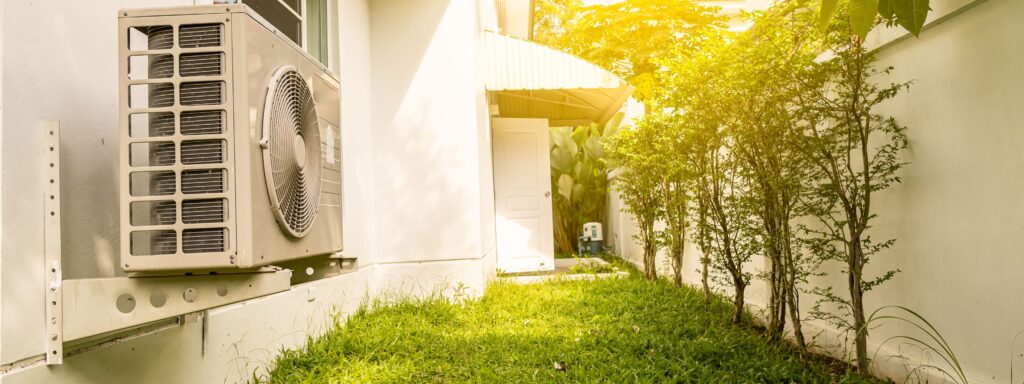
Shade your air conditioner with trees and shrubs. Shading reduces the energy the unit uses because of the sun’s heating effect. Be careful not to block or hamper the airflow.
Westward and southern positioned deciduous trees shade your house from the sun during the hottest parts of the day. Heat passing through windows and roofs increases the temperature in your home and the need for air conditioning.
6. Simple conservation steps that save you money.
Here are some other small ways you can save money on the cost of energy.
- Do full loads of laundry and conserve your use of water with fewer laundry days. Be careful not to overload the machine.
- Do laundry during off-peak times.
- If you buy a new machine, front-loading washing machines are much more efficient than traditional models.
- Use dryer balls to speed up drying time.
- Clean and maintain your clothes dryer’s venting system.
- Use hot water as recommended and when necessary.
- Run your dishwasher at night, outside of peak hours.
- Close room doors to trap built-up heat in the winter.
- Use white shades, curtains, and blinds at sun-facing windows as they reflect sunlight. Dark colors will trap the heat.
- Use reflective films on south-facing windows.
- Read your appliance instruction manuals for specific ways you can save energy.
Conclusion
Reduce your energy costs by developing good practices for conservation and save more money in your pocket.
- Shop for appliances with efficiency in mind;
- Monitor your usage and habits;
- Heat and cool your home responsibly;
- Avoid the traps of convenience;
- Landscape to save energy;
- And practice simple steps that can save you hundreds.