
Pet ownership is an investment. It takes time, tugs on your emotions, and taps into your wallet. Your furry friend’s expenses cover their food, health, recreation, and day-to-day living.
You don’t want to skimp on the level of care you provide your pets, but that doesn’t mean you can’t save some money.
In this blog, you’ll learn about the costs associated with pet ownership, how to manage these expenses, and how to limit the strain on your wallet.
I | Initial Versus Lifetime Costs
Many owners focus on the initial costs of pet ownership, forgetting the lifetime accumulation of annual expenses.
Initial expenses include:
- Purchasing a pet;
- Veterinary costs for the first round of vaccinations and sometimes neutering;
- Training.
Lifetime or reoccurring pet costs cover:
- Food for your pet;
- Pet hygiene products and grooming;
- Annual medical costs for pet care;
- Pet insurance;
- Toys and miscellaneous pet supplies.
Like humans, pets do become ill. When this happens, they’ll require emergency care. Pet medications aren’t cheap, nor are medical services or vet visits.
The costs add up.
At the end of the month, or the year, when you consider all the money you’ve invested, you’ll see the difference. If you go in blind and unprepared, you’ll feel the pinch.
Some pet owners underestimate the costs and responsibilities involved with providing for the welfare of their pets. Their pets then become hidden money pits, and over time, when they can no longer afford it, they surrender the animal to a shelter.
Because of the substantial monetary, time, and emotional investment, owning a pet should never be an impulse buy. Pets don’t come stamped-approved with guarantees like home appliances. They come with variables, health and behavioral-wise. Consider these before taking the plunge.
Let’s examine the expense categories and how they vary between cats and dogs.
II | Pet Care Expenses for Cats and Dogs
1. Adoption vs. Breeder
The first price tag you’ll face covers the adoption or purchase of your pet. Both have their merits. Approach neither as a spur-of-the-moment decision. Weigh the pros and cons of your budget, living arrangements, and the breed of pet you are hoping to get.
Breeders
Though purchasing from breeders takes the guesswork out of your pet’s history and predicting behaviors and temperament, they can be expensive. Then there is the matter of distinguishing reputable dealers from those out to make a profit.

Avoid puppy mills, backyard breeders, and other questionable sources. In most cases, they do not charge fair prices and have little regard for the care of the animals.
Do your research. Ask for trustworthy recommendations from Veterinarians, Groomers, and even your local kennel club.
Reputable breeders often focus on one or two breeds. Narrowing their focus helps them to gather in-depth information on the types they sell.
Knowing the breed-specific medical needs and common health problems of any breed you choose will reduce the surprises beforehand. It helps you to estimate the financial investment required from you, barring any unforeseeable medical emergencies.

Adoption
Adopting from a shelter is cheaper and sometimes requires more initiative with initial medical needs. Animals bought from a breeder can sometimes require only a single vaccine shot to be protected, while one from a shelter may require several.
How much medical help your rescue requires depends on the previous owner’s care. It’s sad to say, but some people don’t deserve to have pets.
Many shelters and rescues microchip animals, spay and neuter, and provide medical care for the animals. Some may include this in the adoption cost, but most don’t.
Although euthanizing declines yearly nationwide, the ASPCA notes that shelters euthanize approximately 1.5 million animals annually. Broken down, that is 670,000 dogs and 860,000 cats.
If you choose to purchase a rescue, you are not only potentially saving money; you’re also saving a life.
Cat vs. Dog
Overall, owning a cat is cheaper than a dog. Cats require less coddling and are mostly self-sufficient. Being “self-sufficient” means they can take care of themselves for an extended period. Cats are great for low-maintenance companionship.

Alternatively, dogs require a more hands-on approach. They need walks and regular exercise and require far more attention.
Besides the stark behavioral differences between cats and dogs, the price tags of the different breeds vary.
Adoption vs. Breeder: Initial One-Time Costs

According to Pet Finder, adoption fees for cats and dogs typically cover the following:
- Veterinary visit and exam $50-100
- Spaying or neutering $150-300
- Distemper vaccination $20-30×2
- Rabies vaccination $15-25
- Heartworm test (for dogs) $15-35
- Feline Leukemia/FIV test (for cats) $30-50
- Flea/tick treatment $50-200
- Microchip $50
- Deworming $20-50
- Collar and an identification tag $5-10
Shelter care and re-homing can rack up to $425-880 based on the price ranges noted above. What you receive as the final adoption fee is, in most cases, significantly reduced.
The final fees for cats and dogs depend on many factors, including age, breed, and health condition. Cats bear the cheaper price range from $34-276, considerably less than with adopting a dog. Remember that the older the cat/dog, the cheaper they are.
Shelters offer discounts for seniors, veterans, and active military personnel. General adoption specials are also available, with some shelters offering special adoption incentive programs.
Looking for a specific cat/dog?
Licensed breeders are your solution if you want to purchase a specific type of dog/cat. They will mitigate health and behavioral issues through selective breeding as much as possible. In-demand breeds will fetch the highest prices.
These breeders undergo routine inspections of their facilities to ensure they adhere to strict regulations.
The dual sides of pet stores
Outside of specialized breeders, prospective pet owners shop around at pet stores. Whereas there are ethical vendors who get their cats/dogs from reputable sources, it’s harder to find out for sure. The horror tales from pet owners who’ve bought from pet store chains will leave you in shock.
Animals bred through improper methods that do not receive the proper care from the start have higher risks of health problems. These higher risks from improper breeding practices will cost you money in the long run. Short terms gains (lower purchase price) may reel you in, but future medical problems will overrun your initial savings.
Unlike shelters, adoption centers, and legitimate breeders, most pet stores do not offer medical treatments to animals. And neither do they spay and neuter them.
So if you plan on buying rather than adopting, do it right from the start. Choose a reputable breeder who sells the type of cat or dog you want.
2. Medical Expenses
Medical expenses, like they are for humans, are ongoing. The cost of pet healthcare is also on the rise.
If your cat or dog becomes ill, you could face thousands of dollars in hospital fees alone. Surgeries and cancer care are not cheap. Much of the equipment in a pet hospital matches the grade and pricing of those found in a human hospital.

Cats
Annual average veterinary costs per household: $801
Dogs
Annual average veterinary costs per household: $1,344
These prices don’t include vitamins, supplements, tick and flea control meds, and other medication the vet might prescribe for your pet’s illness or general health care.
Unforeseen vet bills are the most common and most expensive variables.
Medical bills can easily take a chunk from your budget if you own multiple dogs or cats, or a combo, along with other pets. Some pet owners resort to human medications to skim expenses. This practice can worsen the issue and even kill your pet.
3. Food

To buy or not to buy premium is the question many pet owners ask themselves.
Be careful of the hype. Slapping a brand name onto a package gives sellers the leeway to jack up prices. If you check the nutrition labels, some inexpensive options contain the same ingredients and provide the same benefits for your pet.
Provide your pets with the best nutrition without breaking the bank.
First, determine what your pet’s nutritional needs are. Small breed dogs have different eating habits from larger breeds, and cats require a different diet plan from dogs. You get the picture.
Ask the shelter where you adopted your pet or the breeder for advice about the optimal diet for your cat or dog. While you’re at it, pick up a few suggestions for dry and wet foods as starting points.
Once you’ve found your pet’s nutritional needs, pay close attention to the label of the foods you purchase.
A proper diet can save you money.
A proper diet is a form of preventive care. It can eliminate some common illnesses in cats and dogs who eat poorly. This includes healthy weight management and dental care.
The healthier your pet, the less likely you have to visit the vet between your annual wellness exams.
Healthy pets have a longer average lifespan than those who aren’t.
Watch out for pet food recalls.
Manufacturing and quality issues can cause pet products to be taken off the shelf. Some include dangerous levels of Vitamin D in dog foods, Salmonella contamination, or hazardous debris like pieces of metal.
The FDA released several notices in 2019 with noted household brand names included on the list. For additional alerts, check out the American Veterinary Medical Association.
The APPA estimates that the average annual costs for food are $287 and $254 for dogs and cats, respectively, minus additional treats.
4. Grooming
Grooming cost varies on the breed of cat or dog you own and how much they shed. Long-haired breeds require more grooming and therefore have a higher grooming budget.
How much grooming your pet will require should factor into your choice upfront.
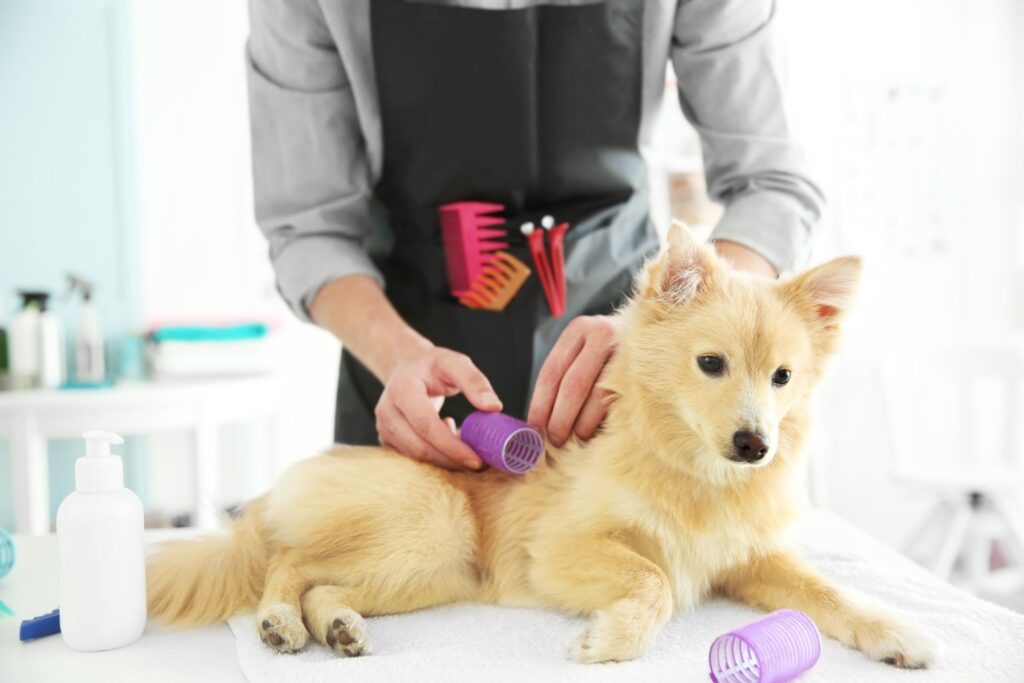
Look to about $43 for cats and $73 for dogs on average, depending on the type of grooming and the provider’s charges.
You can save money by learning to groom your dogs and cats at home.
5. Training

Pets rescued from an animal shelter are likely potty trained. Unless, of course, their previous owner surrendered them for this same issue.
If you’ve owned a pet before and went through the hoops of potty training your pup, then you know what to expect. Cats require less hand-holding, but some may require training.
Professional guidance is available if you need help.
Private training billed hourly go up to $175 an hour. Group training is cheaper and ranges between $50 and $ 75 an hour.
If it’s a case where you send your dog to a boarding program for training for a few weeks, then you’re facing a day rate that can see you shelling out upwards of $500 for a two-week session.
Your location influences the pricing, and so do the behavioral traits of your pet. Cats or dogs labeled “difficult” require more attention and will cost more to train.
Shop around for the best price and training option to fit your budget.
6. Pet Proofing
Depending on your living situation, you may require a bit of pet-proofing.
Pet proofing entails fencing up your yard so your dog doesn’t become a nuisance or a danger to your neighbors and keeping them safe from wandering out into the street.

Obey all local regulations on licensing, leash requirements, and noise control.
Install pet gates or indoor pet barriers if you want to designate some areas pet-free.
Owning a pet will also affect your home décor. Low-pile rugs are easier to clean than shaggy plush varieties. Depending on your breed of cat or dog, hair will get into everything. And I mean everything. Invest in a pet hair removal broom or vacuum designed with powerful suctions for animal owners.
Remove or place plants that are poisonous to pets in a safe location. Puppies are notorious chewers, so power cords and your shoes are well-loved targets. As for your cat, scratch protectors are available for your sofas. Cutting their claws low and smoothing them offers another solution against scratches.
Survey your home and consider all the pet-proofing required to protect your pets and belongings.
7. Pet Health Insurance

Veterinary exams can hit your pocket hard. Pet insurance provides coverage that reimburses veterinary bills for covered claims when your pet suffers from health issues.
Insurance covers up to 90% of your pet’s medical costs and ranges from $250 to $500 a year.
Customizable plans are available for accidents and illness, accident-only, with add-ons for routine check-ups.
Shop for pet insurance and select the most affordable option that covers your pet’s needs. Apet’sr any discounts you may qualify for to save some money.
The coverage package you choose, your location, your pet’s age, and their breed factor into your monthly premiums. Insuring a cat is cheaper than a dog, with the average for canines being $42.45 and cats averaging $20.99.
Another note on insurance
The type of pet you have can also affect your home insurance rate. Large-breed dogs make the biggest difference in your premiums. Insurers consider them a liability.
Should your dog bite someone on your property, your home insurance liability provision covers the expenses.
III | Saving Hacks For Pet Owners
After crunching the numbers, you may be wary about investing in a pet. But no worries, there are ways you can reduce the strain on your pocket.
Add your pet to your budget.
Include your pet in your monthly budget. Adding pet supplies to your budget tracker allows you to monitor your spending habits and come up with ways of cutting costs. Sometimes, as pet owners, we go overboard and only realize it after the fact.

Prevention is cheaper than the cure.
Manage weight gain and reduce the chance of obesity by exercising your pets regularly. Exercise is essential for dogs, as cats most times amuse themselves. Dogs chew on things out of boredom, and channeling their excess energy can help to mitigate this.
Ensure your pets are up to date on their vaccinations, which protects them against diseases. As vaccinations protect your pet, it also protects your pocket from pricey medical treatments. Check outdoor pets regularly for open injuries and treat them without delay.
Don’t ignore your pet’s dental hygiene. Get your pet accustomed to daily brushing and maintain good dental health practices to prevent tooth loss and infections that can spread to vital organs like the heart, kidneys, and liver.
Routine dental and general health checkups catch problems in their earliest stages when they are easier and cheaper to treat.
Pay attention to your pet and any changes in its behaviors. Is your dog favoring one leg? Is your calm-tempered cat mewling and growling for no apparent reason? These could be signs your pet is in pain or suffering some discomfort.

Handcraft your pet’s toys.
Creating pet-safe toys at home from craft items can save you money. Avoid using anything with small parts or anything else that may pose a choking hazard. You can even repurpose old children’s toys for your pet’s amusement.
Make a family time of it by enlisting your kids to create these toys with you.
Check out this article from Care.com for some DIY projects.
Clip coupons.
Go online and search for pet food companies. Many of them offer various coupons you can print out and cash in on discounts and special offers.
Buy in bulk.
Bulk products are cheaper and last longer. If you have friends who also have pets, approach them about splitting a bulk grocery list with you. The bigger the bag of pet food, the higher the discount. Bulk purchases also go for kitty litter, poop bags for your dog, and other daily essentials available in bulk quantities.
Split the spoils and the savings with a friend.
Conclusion
Owning a pet can be a rewarding yet expensive experience. Know what you are getting into from the start and the time, emotional, and financial investment you’re willing to put in.
- Decide if you want to adopt or purchase a pet. Be wary of where you buy your cat or dog, no matter how attractive the price is. Short-term gains can lead to long-term losses.
- Be mindful of one-time costs and recurring expenses for acquiring a pet and safeguarding its welfare.
- You can either purchase pet insurance, or you can set aside funds for a rainy day. Use routine medical exams, at-home health practices, and proper vaccinations as preventative strategies.
- The size and type of pet you own can affect your home insurance. Large dog breeds present a higher liability than smaller breeds and their feline counterparts.
Find ways to save without compromising the care you provide for your pet for general expenses.