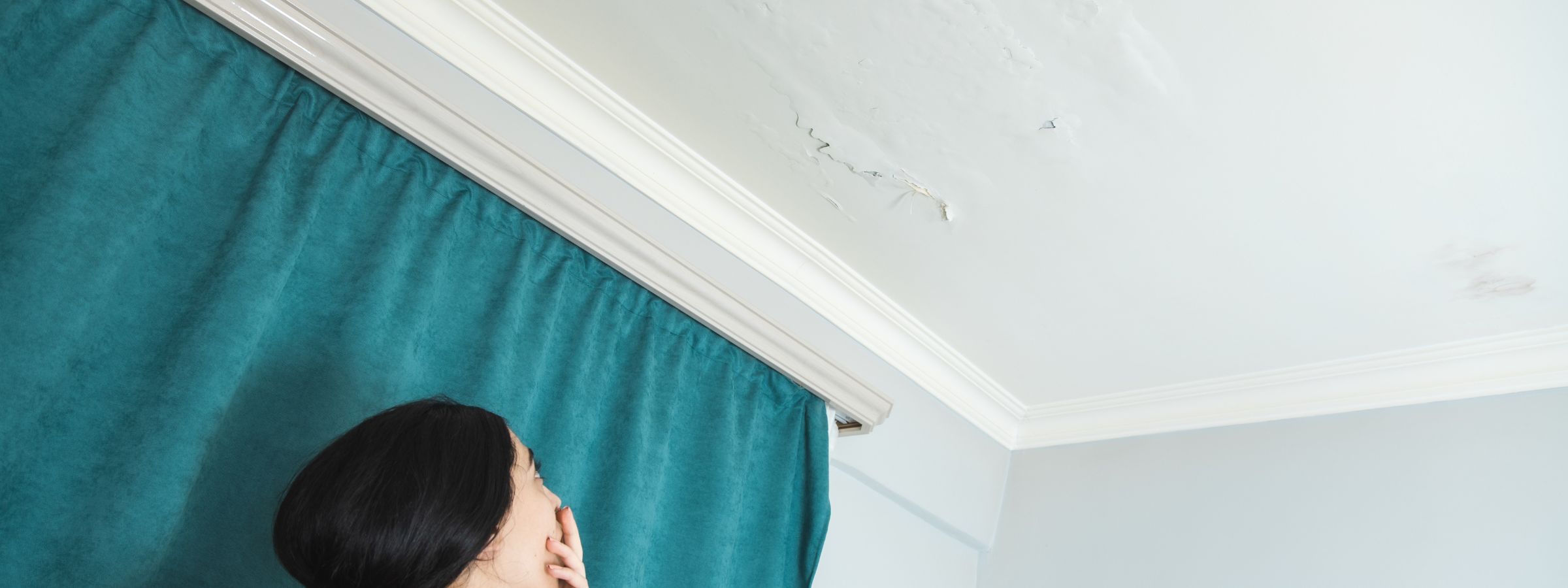
Having a home insurance policy doesn’t mean you shouldn’t be proactive. Prevention measures are always better and cheaper than the cure. Water damage can cause hundreds of dollars in losses and is one of the most common and expensive insurance claims.
Moving through spring and into the warmer months, instances of torrential rainfall and severe storms will increase. And for some, it’ll be hurricane season from June to November. These natural water disasters add to the headache of everyday problems.
In part one of our How to Protect Your Home Series, we’ll be looking at the risks of water damage: the causes and how to prevent thousands of dollars in property losses.
I | Water Damage and Your Home Insurance
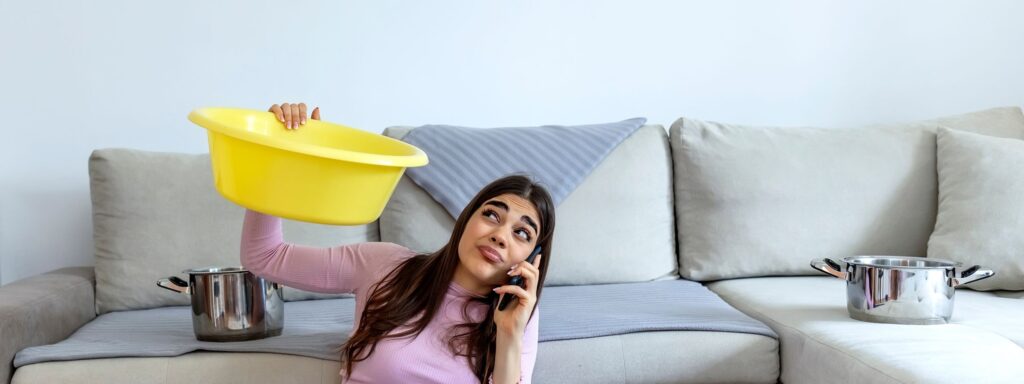
Causes of Water Damage
The possibilities for damages fall under human errors or natural disasters. Some can be avoided with proper care, while others can only be dealt with by preparing to lessen the effects. Some common causes include:
- Extreme weather (hurricanes, wind-blown rain, floods)
- Cracks in your home’s foundation and the walls
- Roof damage (missing, curling, or broken roof shingles, cracked flashings, damaged roof sealants, aged roofing, etc.)
- Burst pipes and hidden leaks
- Poor drainage on your property
- Damaged gutters and downspouts
- Broken washing machines, dishwashers, and heat radiators
How Your Home Insurance Factors In
Standard home insurance covers some types of water-caused disasters. It all depends on the source of the water responsible. Water from the top-down, like rainfall and burst pipes and sprinklers, is covered by standard policies, along with damage from your roof’s ice dams.
The damage should be spontaneous and of no fault due to negligence and poor maintenance, e.g., burst pipes. Although your coverage pays for necessary repairs and replacement of your walls and floorings, the source of the damage itself isn’t. So if your dishwasher or washing machine caused the problem, your standard home insurance wouldn’t spring to replace them.
Sewer and drain backups feature in some policies by default, but not all. You may have to purchase a sewer backup rider as add-on coverage, so do a thorough read of your policy documents.
Damages caused by overflowing rivers or ponds (from the bottom up) fall under a separate policy. You can purchase this policy from the federal government’s National Flood Insurance Program (NFIP) or a private insurance provider.
Common Signs of Water Damage
Sometimes it’s a flood; other times, it’s a slow leak. Identifying and fixing the problem as soon as possible lessens the issues caused. Often leaks go unattended because they’re undetected. The most obvious indicators are dripping noises, damp spots, and mold, but you should heed other warning signs.
- Changes in your flooring. If water seeps into the subflooring, tiles may loosen, linoleum may peel, and laminated flooring can warp.
- Changes in your walls. Peeling and bubbling paint and cracking in drywalls as water causes the material to swell and retract without apparent signs of sogginess. Walls may display stains or spots that fade again over time. Outside of water leakage from pipes, these temporary spots can appear in periods of prolonged rainfall. It could mean your foundation’s soaking water or something wrong with the exterior wall. A leaky roof can also lead to water draining into your walls.
- Changes in your house temperature. If you sense that your house is retaining more cold than usual, have a professional inspect your walls for possible water retention. Either your walls are soaking up water from below, or a slow roof leak introduced water from above. You may require additional insulation or the replacement of damaged materials to fix the problem.
- Musty or moldy odors. Sometimes you’ll smell the mildew or mold resulting from hidden moisture before seeing it. If you live in an area with high humidity levels, you might be used to the “cold smell,” but don’t take it for granted. There might be a problem outside of the weather. Do your checks in case of undetected leaks.
- Sudden hike in your monthly water bill. If you haven’t adjusted your water usage, and a cousin hasn’t moved in recently, but your water bill’s going up, do a check. You could be leaking away money and not know it.
II | How to Protect Your Home and Property from Water Damage
1 | Inspect and Repair Your Roof
Once your roof starts deteriorating, things can go wrong fast. Or slow, depending on how you look at it. Roofs are susceptible to slow leaks. These leaks can continue unseen for weeks or months. Persistent moisture in your attic insulation breeds mold and can cause your roof’s wooden components to rot.
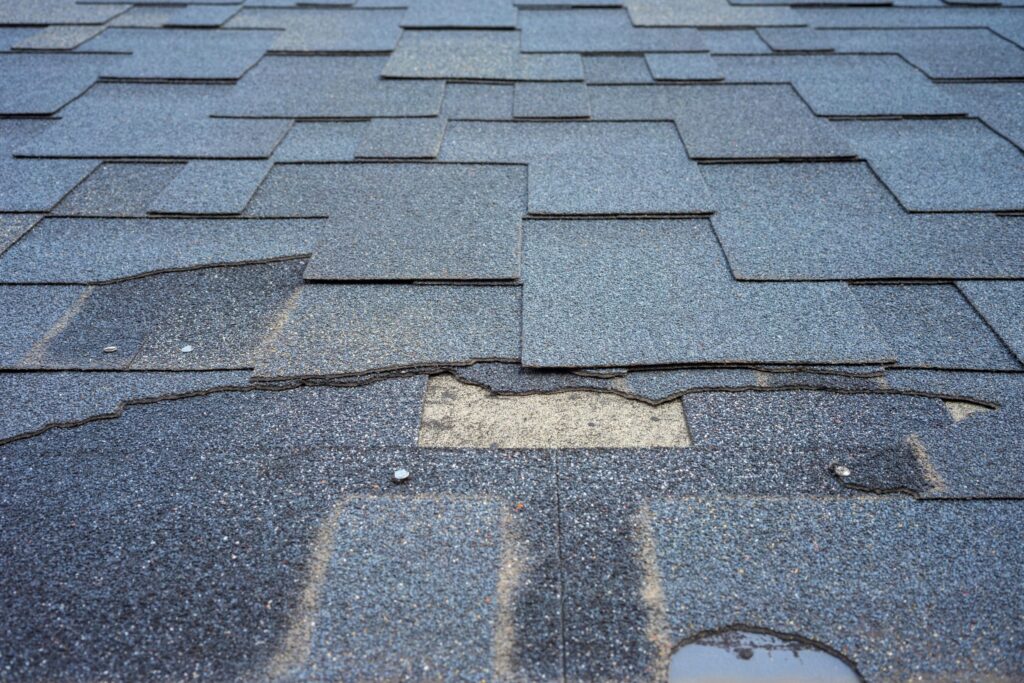
Inspect your roof for damage at least twice a year and after heavy downpours and thunderstorms. Detecting leaks might be trickier during drier months, so take advantage of the rain.
No roof lasts forever. Consult a professional about your roof’s lifespan and whether or not it’s time to replace it.
2 | Clean Your Rain Gutters and Downspouts
Clean your gutters and downspouts as often as it’s necessary. If trees grow over your roof, you’ll have to clean them of dead leaves, twigs, and other foliage debris more often than if you didn’t. Clogged gutters sag and overflow, which can affect your roof’s condition. Gutter guards can prevent gutter clogs and direct water away from your home.
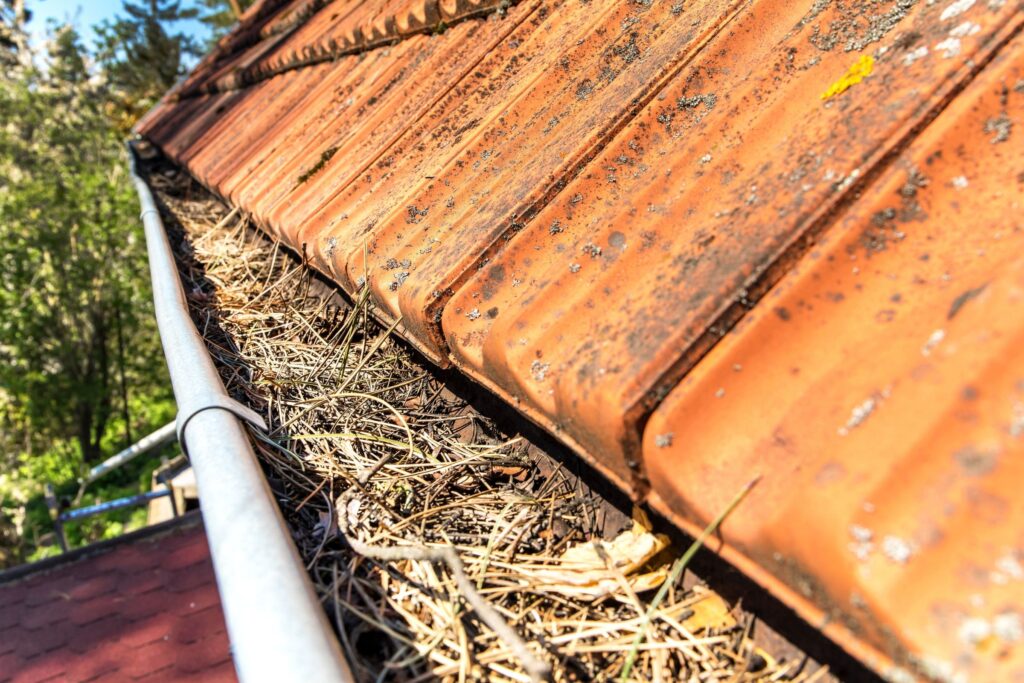
Guard your foundation. Position downspouts as far away from your house as possible. For added distance, install a downspout extension if needed. An ineffective drainage system is a costly blunder to correct.
3 | Guard Your Basement and Foundation
Sump Pump
Installing a sump pump can prevent your basement from flooding and keep the area under your home dry. The contractor will place the sump pump in the lowest section of your basement or crawl space. This positioning allows the water to pool in a designated catchment area rather than your basement floor.
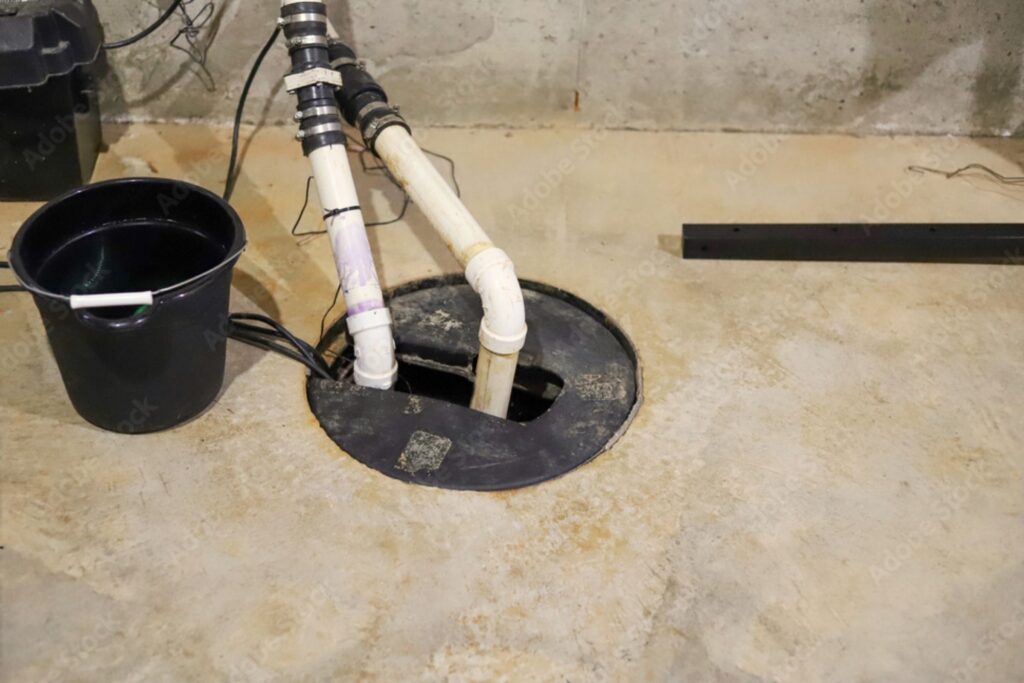
You can then direct the water safely away from your home with the pump, either to a sump pit, municipal drain, or dry well. Be mindful of where you send sump-pump runoffs. Direct them away from the sidewalk and streets where they can inconvenience pedestrians and motorists. In the winter, it may lead to dangerous icy patches that can cause accidents and falls.
Clean the pump of debris to maintain its functionality.
Consult your contractor for other waterproofing options for your basement, including french drains.
Grading
Sloping the ground away from your home protects your foundation from water seepage. Slope the land around your home, so it falls a minimum of six inches within the first 10 feet from the foundation. Proper grading will prevent moisture from accumulating under the foundation leading to cracks. A cracked foundation not only allows water to seep in but also threatens the safety of your home.
4 | Check and Insulate Your Pipes
Pipes are the most common culprits for residential leaks. The average household leaks can account for nearly 10,000 gallons of water wasted annually, and ten percent of homes have leaks that waste 90 gallons or more daily. (Source)
So, in the grander scheme, protecting your pipes safeguards our water supply.
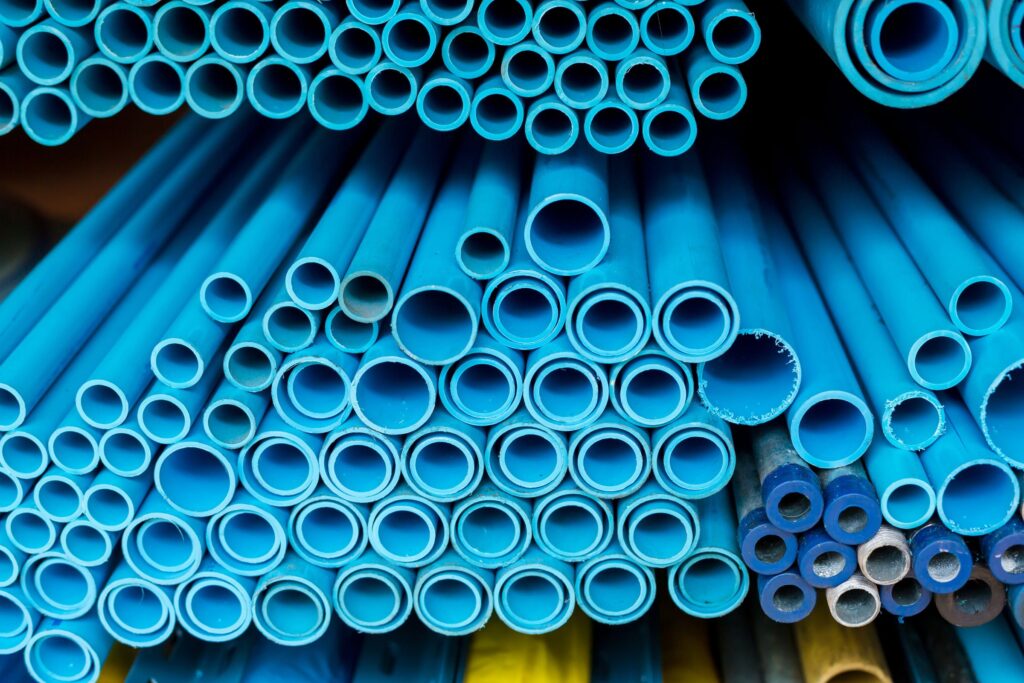
Inspect your pipes at least once a year and look for drips and wet spots. Pipelines do get old. Metal pipes corrode, and plastic pipes become brittle and prone to damage. Depending on the size and use of the pipe, raw sewage could pour into your home.
If you live in an area with harsh winters, insulate your pipes. If your home has exposed pipes, you can protect them yourself and save some money. Snap-on pipe insulations are cheap and easy enough for you to apply as a DIY project.
Install an emergency pressure release valve. This valve will help relieve the pressure of frozen pipes on your plumbing system. Lessening the pressure reduces the risk of burst pipes and water damage.
Ensure you know the shut-off valve locations in and outside your home for emergency use. If you leave your property vacant for an extended period, turn off the main valve.
5 | Repair Caulking and Seals
Caulking the creases along the seams of your windows and doors is one of the most straightforward tips on this list. It’s also cost-effective and doesn’t take any fancy equipment. You can purchase a caulking gun, but most caulkings come in an applicator bottle with an extended nozzle.
Rain and snow have sneaky ways of finding the tiniest openings and creating the most significant problems.
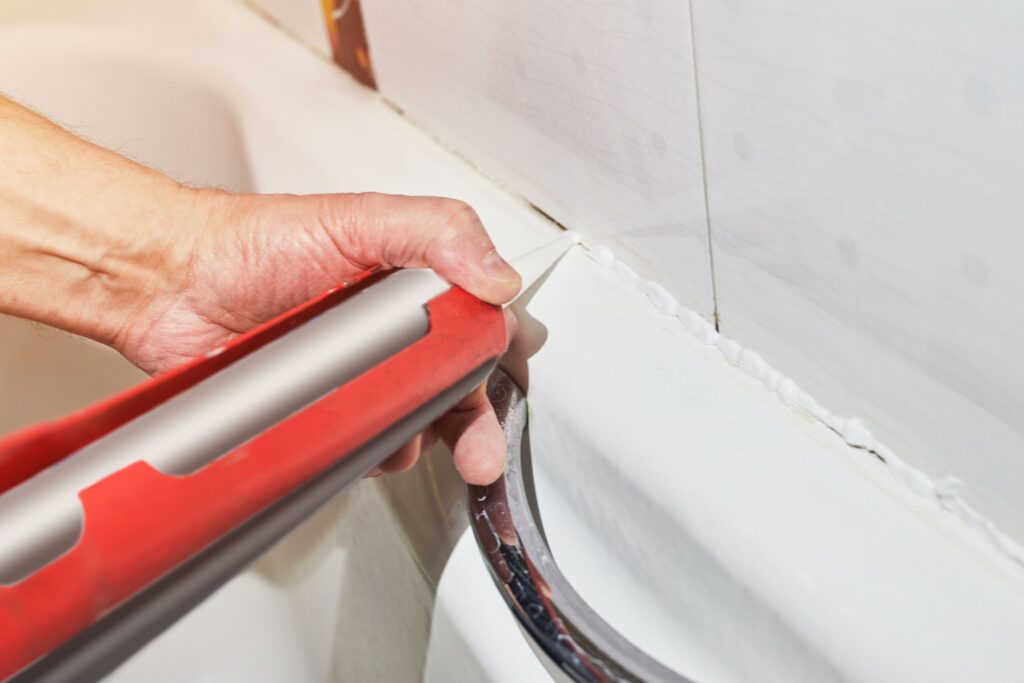
Make it a part of your maintenance routine to check your windows and exterior doors for missing or cracked caulking and replace them. Use exterior-grade caulking for the best protection.
Apply caulking at the seam where your bathtub meets the wall. The original filling at the time of construction can wear and tear over time, allowing water to leak into the crevice behind your tub. Repeat the same process around your sinks and toilet.
6 | Inspect the Hoses on Your Appliances
A faulty washing machine and dishwasher can cause water damage. So too, a broken refrigerator hose and a defective water heater. Inspect all appliances that use water to ensure they are working correctly.
To help you monitor these appliances for leaks, purchase a water detection device.
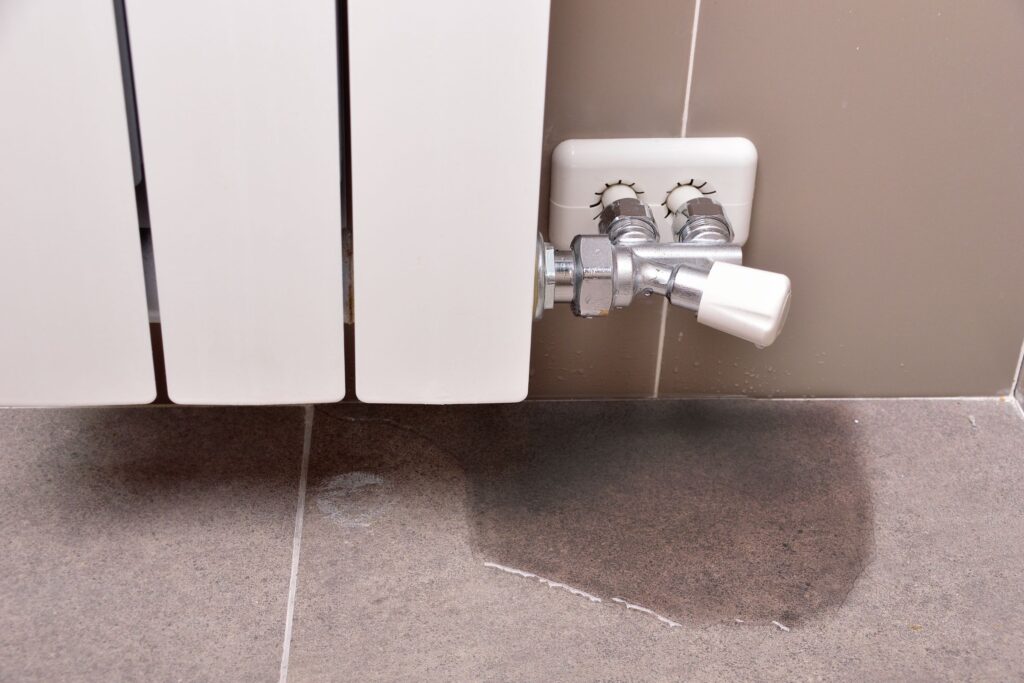
These ‘water alarms’ have built-in sensors that trigger an alarm whenever moisture’s detected. Install them near water heaters, sump pumps, and appliances generally set out of immediate reach and in the basement and attic.
7 | Trim Your Trees
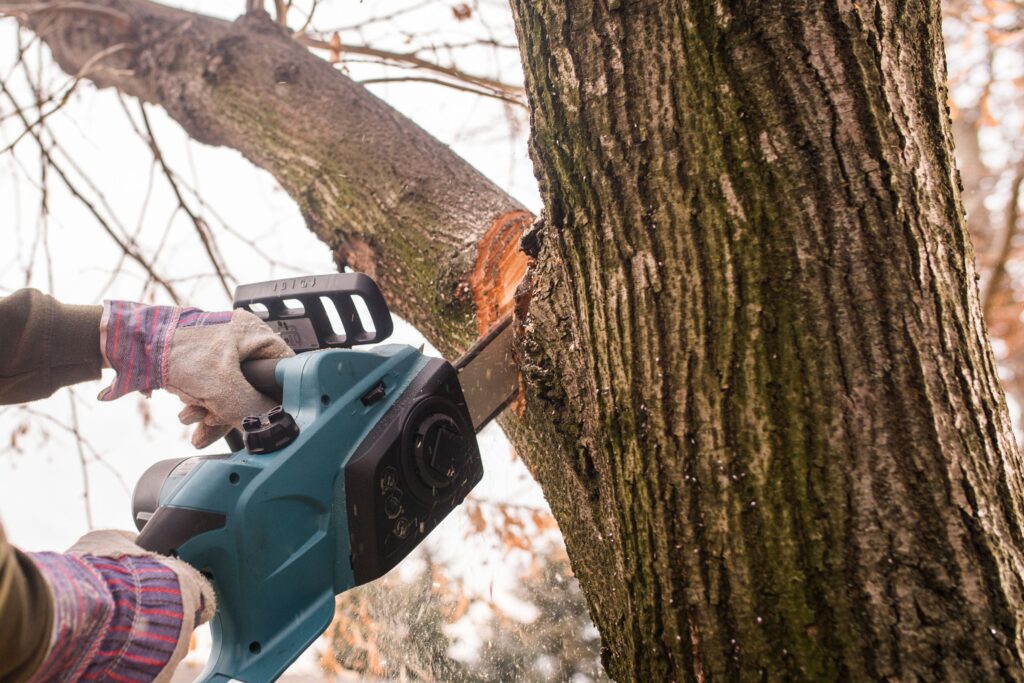
Overhanging trees pose a threat to your house. Old or rotten branches can break off and, depending on the size, wreck your roof and sidings. The risk factor increases in the passing of a storm and during winter when accumulated snow weighs down branches.
Inspect the branches you want to keep for shade if they’re healthy or suffer from termites or rot.
8. Install a Sewer Backflow Valve
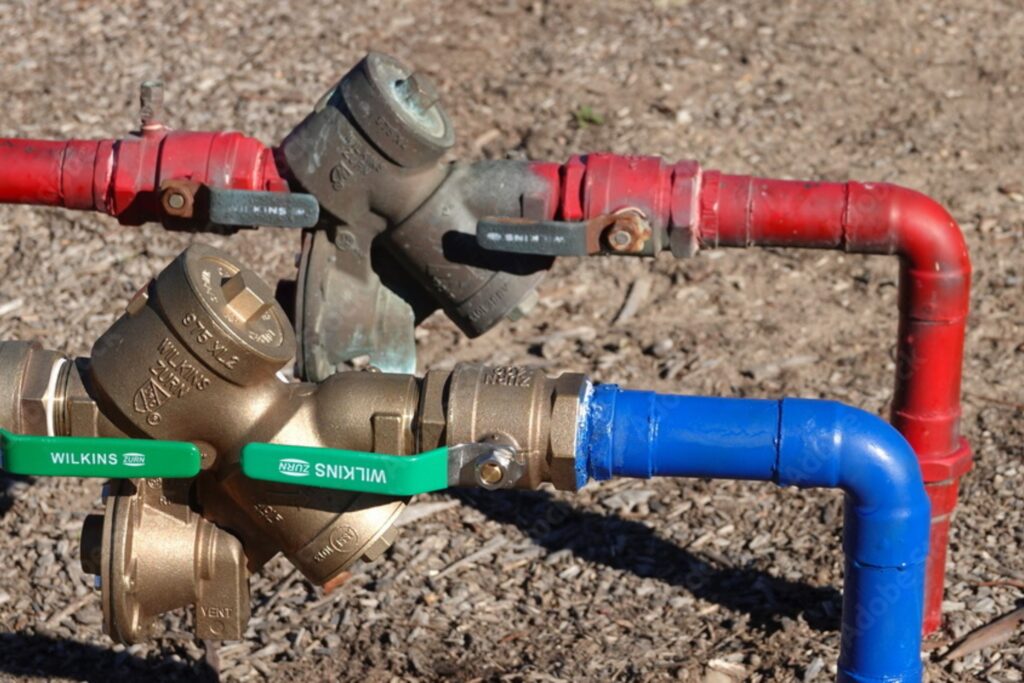
Rising water can cause sewage back into your home through drain pipes. The occurrence isn’t frequent, but they pop up in flood-prone areas. It’s both a health hazard and a disaster for your home. Installing a backflow valve in the drain line is how you can protect yourself.
The valve comes with a flapper that automatically closes in the event of a backflow. A manual valve is also an option for increased protection.
Conclusion
Maintaining your home is your first and most effective defense against damage from leakage issues. Being proactive won’t prevent plumbing leaks and other issues, but the more you’re aware of your home’s condition, the faster you can pinpoint the problem. Even in the case of natural disasters, you can decrease the chances of extensive damage.
- Inspect and repair your roof;
- Clean your rain gutters and downspouts;
- Guard your basement and foundation;
- Check and insulate your pipes;
- Repair caulking and seals;
- Inspect the hoses on your appliances;
- Trim your trees;
- Install a sewer backflow valve.
Pay special attention to the potential dangers of living in flood-prone areas, and take the necessary precautions to protect yourself, your family, and your property.