You could be unknowingly damaging your home.
It’s a standard charge many of us are guilty of. We neglect the small stuff that eventually builds up and causes costly repairs or irreversible property damage.
Installing a security system and smoke detectors and purchasing adequate insurance coverage protects against significant disasters like theft, fires, and natural events. What they can’t protect your home against is you. Neither can they prevent the problems you allow to develop.
Preventing major issues is always cheaper and less time-consuming than fixing them. Your home insurance policy also won’t cover damages caused by neglect.
Let’s review the repairs you shouldn’t overlook and how they can end up cutting a hole in your budget and compromise the health and safety of you and your family.
I | Ways You're Damaging the Exterior of Your Home

Problem Area #1: Home Exterior
Focusing on exterior repairs can protect your home from weather elements. It’s also a proactive strike against slow-progressing issues like mold, rot, pest infestation, and water damage.
1. Do you have proper water drainage around your house?
Proper water drainage on your property is of utmost importance. It protects your roof, walls, and foundation.
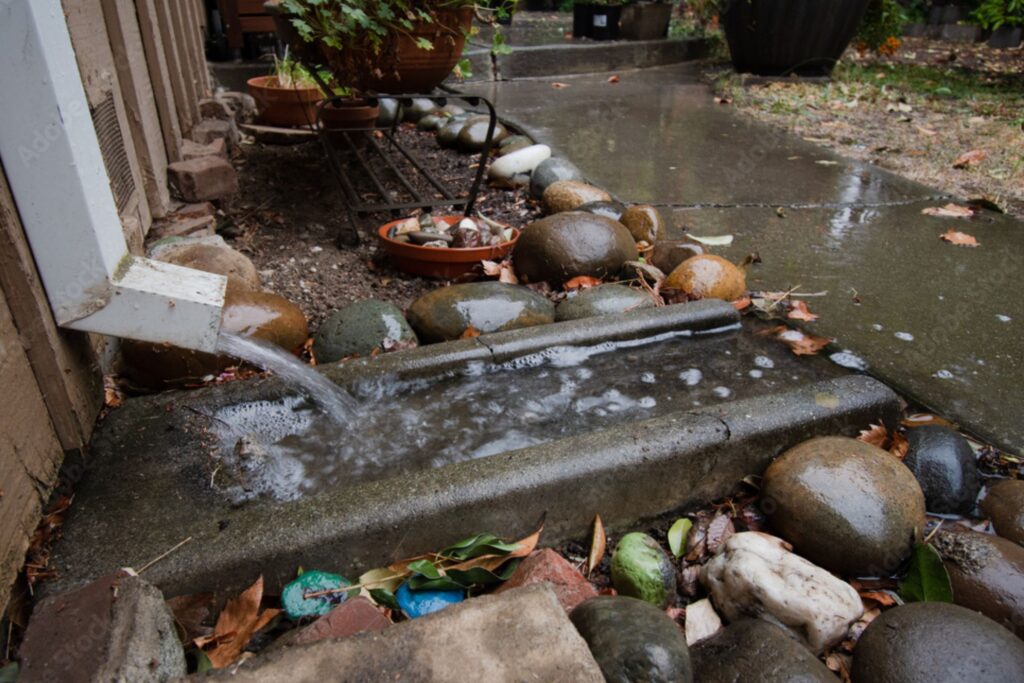
The three most common culprits that cause damage over time are your gutters, downspouts, and improper grading near your home’s foundation.
Gutters
Cleaning your gutter isn’t the most elegant task, but getting your hands dirty is better than losing money on preventable repairs.
Clogged gutters cause silent damage, allowing water to seep into cracks in your roof and the board behind the gutter called the fascia. Continued moisture leads to mold growth and rot.
Standard home insurance policies don’t cover either of these disasters or any other damages deemed by-products of negligence by your insurance provider.
Downspouts
Downspouts help gutters drain rainwater away from your home’s foundation. They’re pipes or channels connected to gutters and installed along the exterior wall of your home.
Downspouts should direct water flow as far away from your home’s foundation as possible to secure structural integrity.
They can also help prevent flooding during heavy rains and storms if you have a basement.
Are you concerned about water beating down on your flower garden? Downspouts can safely channel the water away to a designated area for water runoffs or catchment.
Proper grading
Proper grading offers additional protection for your foundation. Grading slopes the land around your house, discouraging water from settling too close to your home’s foundation.
Standard home policies don’t offer built-in flood protection. Sloping the land around your house helps prevent flooding.
The Domino Effects
Roof damage: Water collects in your gutter if it’s clogged with debris, like dirt and dead leaves. With nowhere else to go, the standing water will seep into your roof.
Depending on the construction material, your roof’s expected life span is between 15 to 30 years. Water damage speeds up the expiration date. A total, even partial, roof replacement isn’t cheap.
Damage to the structural framework of your roof caused by standing water and rot can lead to cave-ins.
Mold and mildew: Besides leaks, mold develops in the presence of prolonged moisture. Attics, roofs, basements, and walls are the most common habitats for mold.
Eliminating mold is a pricey venture, with contractors charging upward of $5000 depending on the extent of the damage.
Setting aside the damage it does to your home; mold inhalation is a health risk. It can lead to respiratory problems and skin irritation and worsen conditions like allergies and asthma.
Foundation and structural damage: If you have wooden frames or structural members, they can become soggy and rot. Your home’s foundation is also likely to be compromised with prolonged exposure, cracks, and other structural damage.
A house with a compromised foundation is a disaster waiting to happen.
A faulty foundation reduces the value of your entire property. It also dramatically reduces the chance of your being able to sell your home if you put it on the market.
Other risks include insect infestation and erosion of your landscaping.
When you consider the thousands of dollars in potential damage, doesn’t it sound better to get your hands dirty?
Clean your gutters at least 3 to 5 times a year. The frequency may vary depending on if you have trees directly over your home and the types of trees present. Some trees shed more than others.
If it seems too much work or you’re worried about safety, hire a professional. It will still cost you less than fixing the problems caused by prolonged water damage.
2. Have you inspected your roof lately?
Regular inspection of your roof is essential. Let me clarify regular inspections don’t mean clamoring up on your rooftop every weekend.
Inspect your roof at least twice a year.
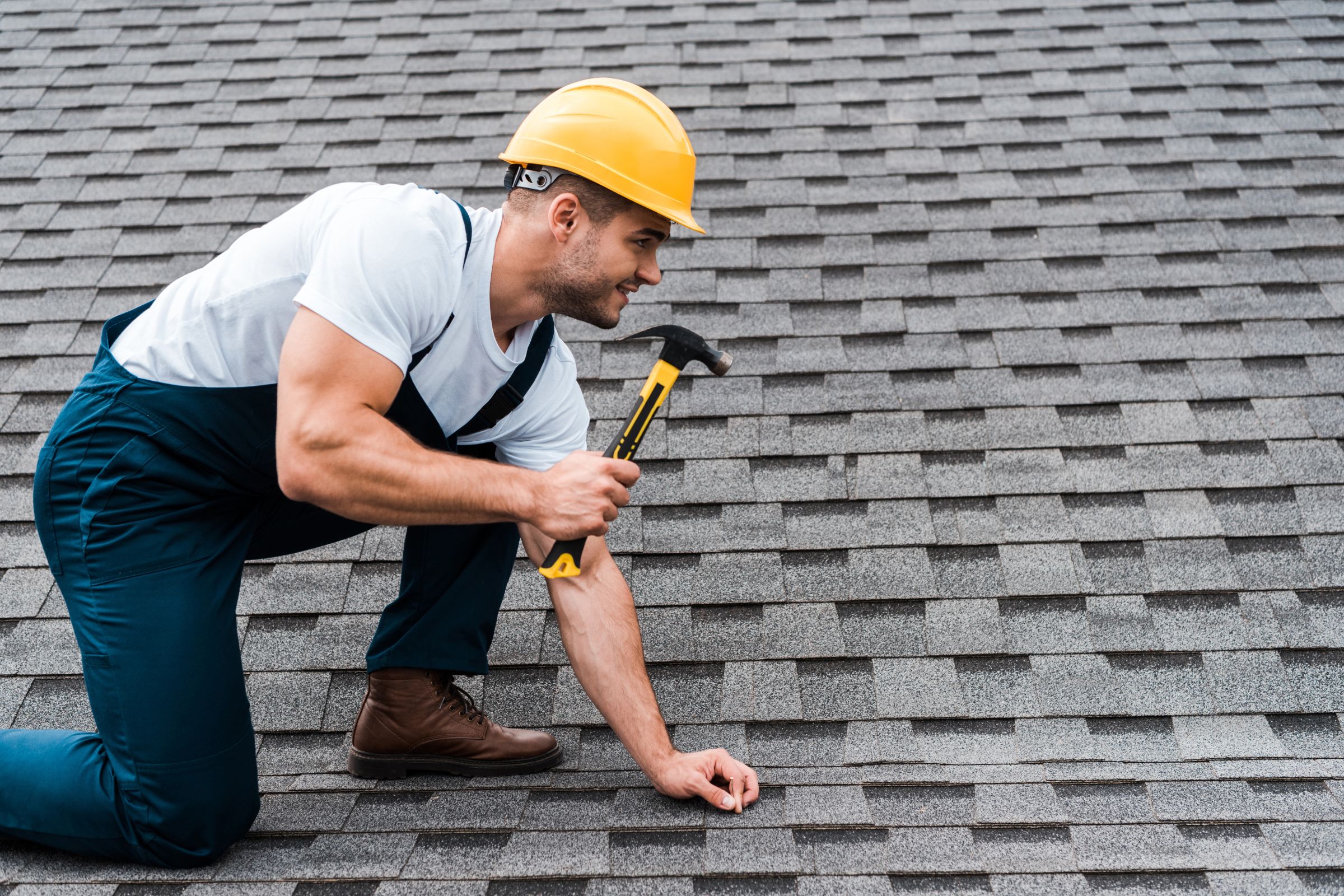
If you live in an area prone to hurricanes and thunderstorms, have a quick check after each occurrence to make sure no lasting damage persists.
Your home insurance policy covers damages resulting from accidental damage and acts of nature. Not those caused by gradual wear-and-tear or neglect. The cost of repair may also test your coverage limits.
Missing or warped shingles increase the risk of water damage. Check for mold, rot, insect infestation (termites can do a lot of damage), and wet spots that may reveal leaks.
Professional roof inspections are available. Investing in twice-a-year checks won’t pinch as much as the repair estimates your contractor will give.
3. How clean is your chimney?
According to the National Fire Protection Association (NFPA), 27% of home fires caused by home heating systems occur because of dirty chimneys. Thousands of homeowners fall victim to these fires every year. Due diligence will ensure you don’t become part of the statistics.
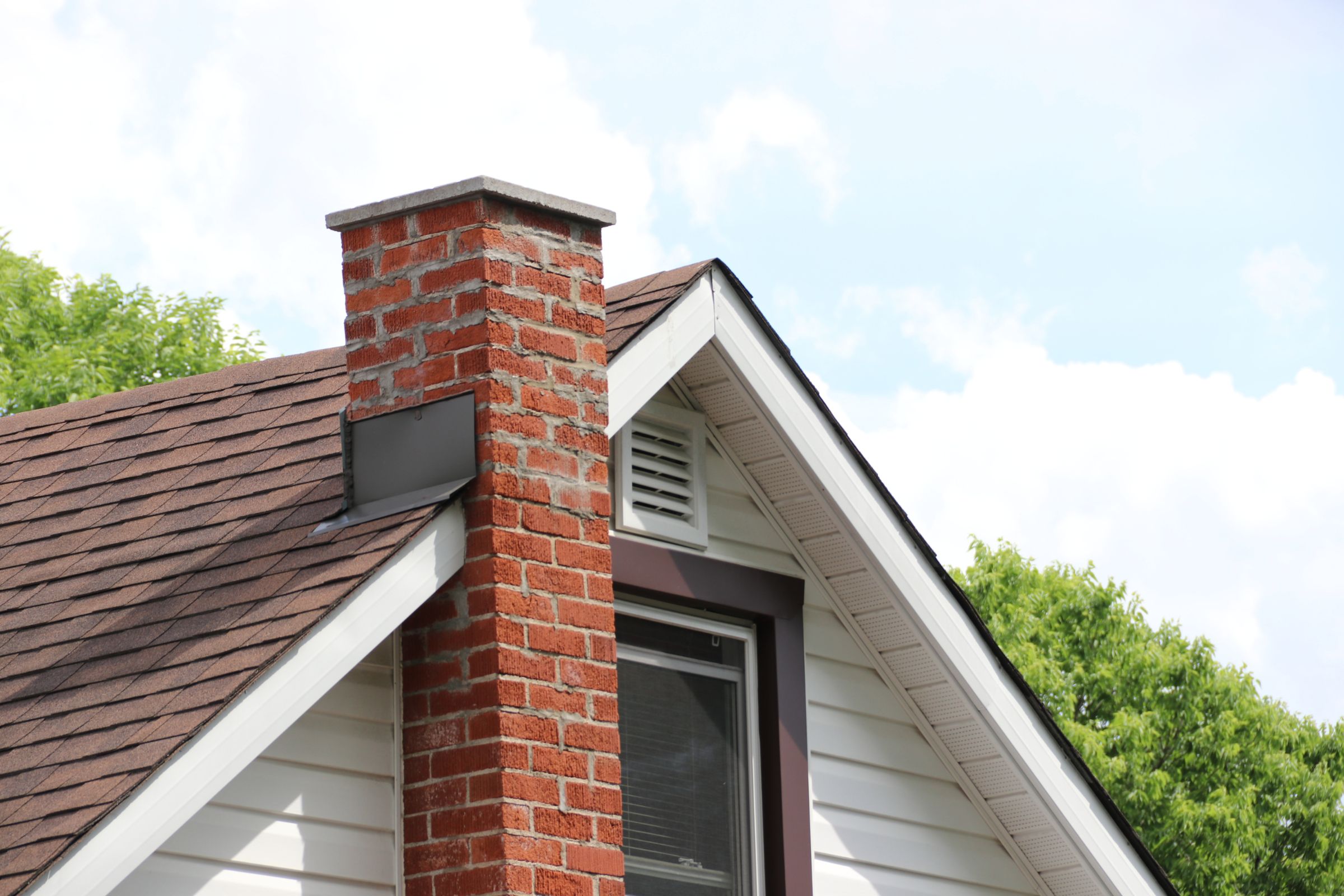
A clean chimney is a safe chimney. As part of your ventilation system, chimneys expel dangerous toxins and fumes from burning firewood in the hearth. Soot, creosote, and other byproducts of combustion accumulate on the flue liner, masonry, and other internal structures of the shaft, covering them with grime and contaminants.
Creosote buildup plus a spark of ember or intense heat is sometimes all it takes to start a fire. Then there is the possibility of you having winged tenants building their nests in the shaft.
The NFPA recommends annual chimney inspection and cleaning.
4. Have you ever power/pressure washed your exterior walls?
The exterior of your home faces the elements every day. Some are natural, others are humanmade, and some are harmless, while others are harsh pollutants.
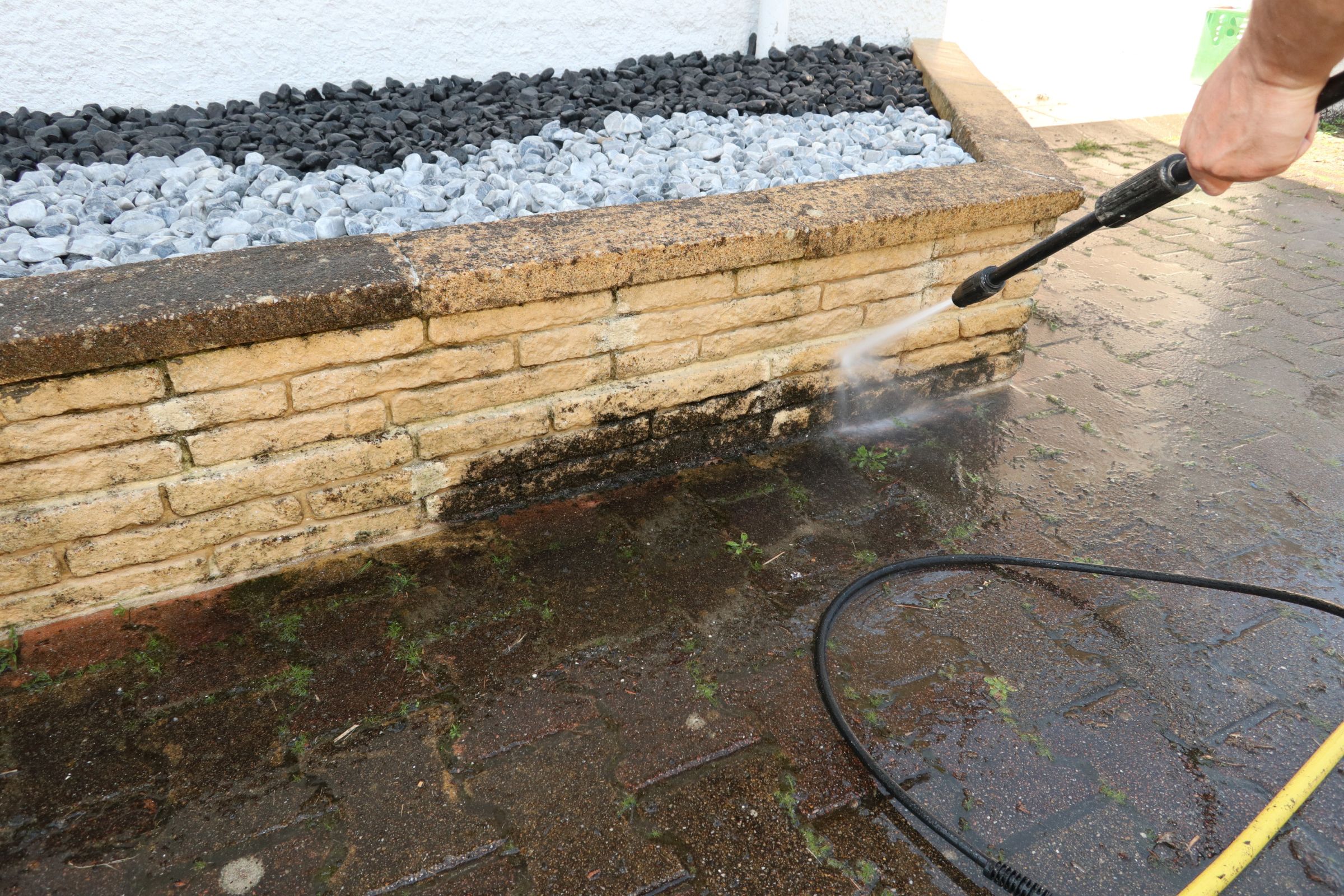
Over time, all the particles accumulate, forming a coating over your exterior walls. It becomes unsightly and increases the chance of moisture and mold development.
Using a bucket and a rag may not be the most effective way of cleaning the exterior of your home. If you’ve allowed the grime to build up over a considerable period, you have your work cut out. That’s when pressure washing your walls is your only recourse.
Pressure washing, though advised, comes with a warning label. Commercial pressure washers are strong enough to strip paint and damage wood and concrete.
If you decide on this cleaning method, be mindful of the strength of the water pressure. The age, condition, and building material of your walls are also factors to weigh.
Despite the need for caution, it’s no excuse not to seek help and clean up the exterior of your home. The buildup can lead to permanent and costly damages.
5. Are your seals still intact?
Check your windows and doors. Is the caulking intact? If not, you could lose money while letting harmful elements into your home. Loose caulking may also lead to water seeping into your home through cracks.
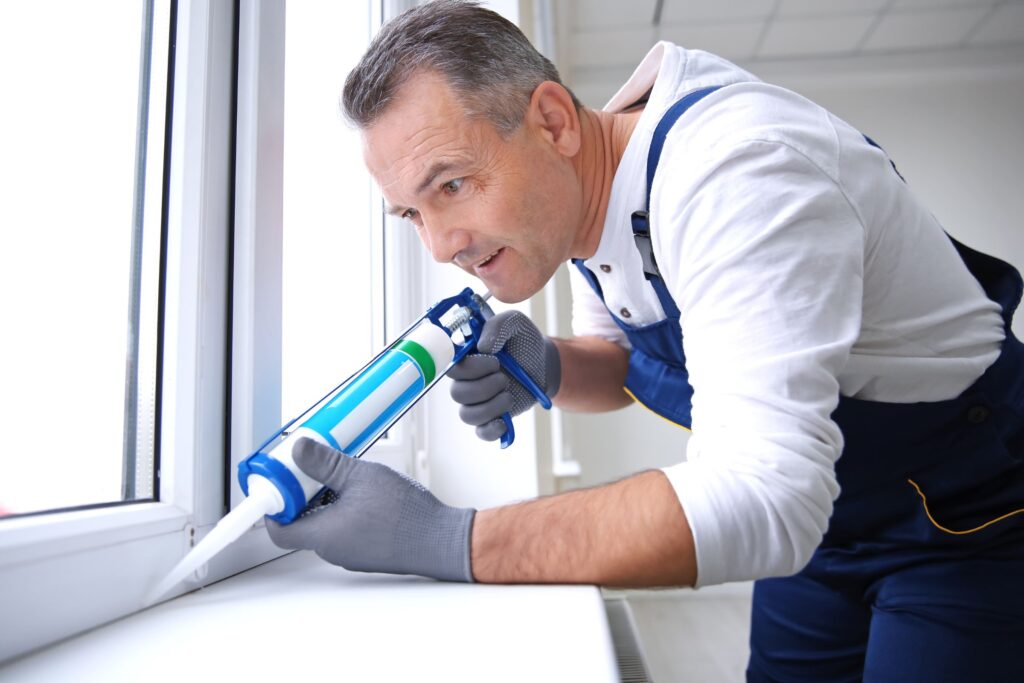
Caulking is the application of a waterproof filler or sealant to the joints or seams of structures like your windows and doors and piping. It keeps water from getting into places it shouldn’t, preventing water damage. Applying these sealants on your doors and windows save you 5-10% ($42-83) on your annual cooling and heat bill.
Inspect the seams and joints around your home at least once a year. Caulk is inexpensive and easy to apply on your own. You can find helpful tutorials online for DIY Caulking if you’re still uncertain. Attend all necessary repairs right away.
II | Ways You're Damaging the Interior of Your Home

Problem Area #2: Home Interior
Interiors repairs get the most attention because most of them are in your face. But hidden problems go undetected, and some we put off until a “later” that never comes until the damage worsens.
So let’s look at some ways you might be damaging the interior of your home.
6. Is your bathroom adequately ventilated?
It may seem like an odd addition to how you’re damaging your home, but hear me out. Ventilating your bathroom isn’t only about removing odors. Another purpose is to expel warm, moist air created when you shower.
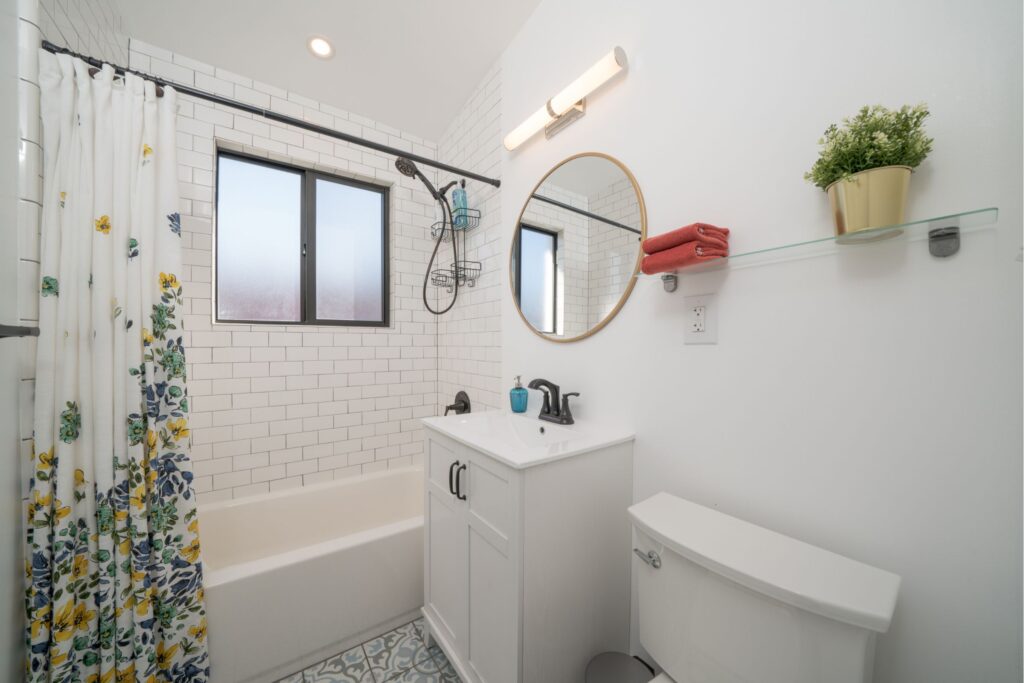
Warm, moist air encourages the growth of mold, mildew, and other microorganisms, and it damages the surfaces of your bathroom fixtures. Damages may also extend to the peeling of wallpapers, the breakdown of wallboards and trimmings, and the lifting of paint.
Your ceiling and insulation are also at risk. Oh, and did I mention the potential for rot?
It sounds like an issue now, doesn’t it?
I’ll hazard to guess that most of us have bathroom windows. It’s part of the building code. But if you live in an area where it snows for weeks and you can’t crack a window, install a vent fan. Use one or the other when you shower to remove warm moisture from the air.
7. Why is your kitchen sink still dripping?
It’s a time-old habit to leave the drip-drip in your kitchen as the last thing on your to-do list. Whether a small leak or a big leak, all leaks lead to water damage.
Fix all plumbing problems inside (and outside) of your home as soon as you notice them.
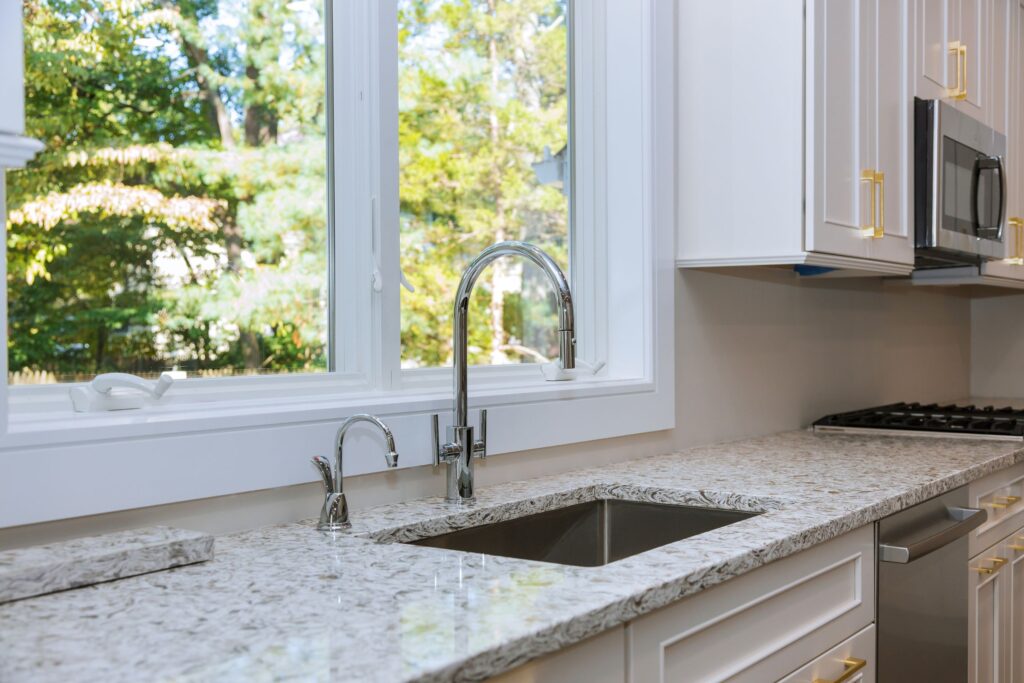
If you’re handy, you can do it yourself. If not, hire a professional.
While you’re at it, learn how you can prevent future leaks or if there is something you may have done to cause the problem.
If your plumbing keeps springing a leak because of your negligence, address the root cause so you don’t have to pay to fix the consequences.
8. What do you put down your kitchen drain?
Are you one of those who keep putting food items down the drain? And don’t say it’s unintentional because of the sink’s design. If the opening doesn’t come with a flat mesh separator that allows only water and small particles through, purchase a kitchen sink strainer.

These strainers are cheap and will save you from expensive repairs.
Having a garbage disposal unit doesn’t lessen the need for caution. It’s not a guarantee that your home plumbing and your city’s waste system can handle or process what you toss down the drain.
Most city plumbing systems aren’t designed with massive volumes of food waste in mind. So, just because you can mince your rubbish doesn’t mean you should.
If the garbage disposal becomes clogged, the problem extends into the pipes, where minced debris collects along with greasy sludge.
9. When was the last time you changed or cleaned your HVAC filter?
Dirty air filters run up your utility bills and pose a fire hazard. Dirt buildup forces the unit to work harder. Heat builds up, and sometimes the unit will catch on fire.
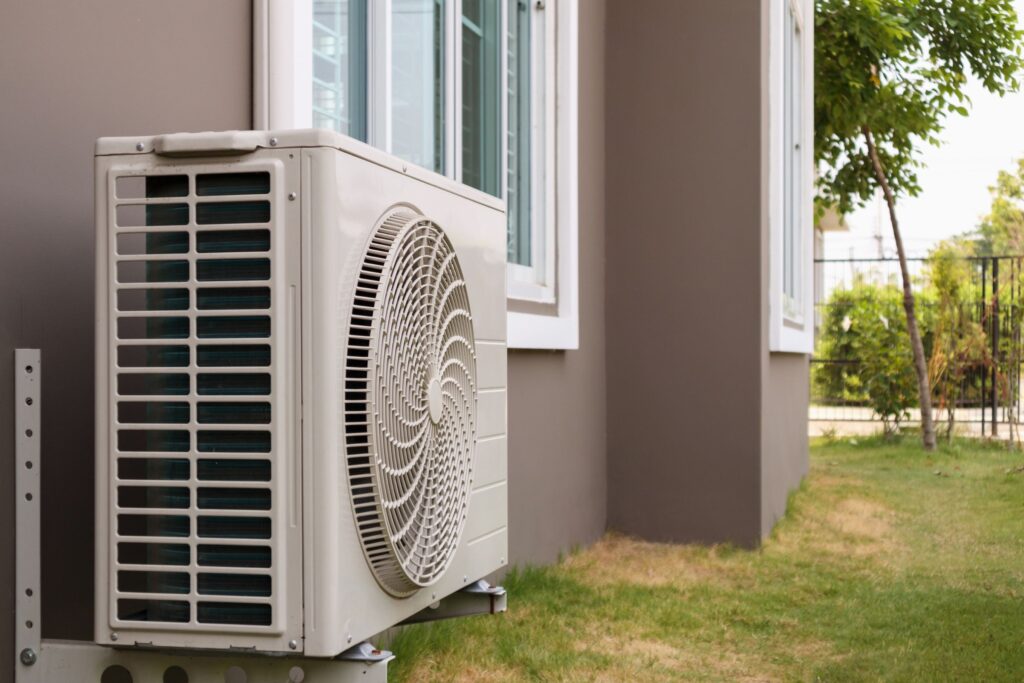
Dust, dirt, debris, and other allergens like mold and pollen accumulate inside HVAC units, causing failure. Factor in the health issues associated with poor air quality, and you can understand why you should never overlook this simple task.
Along with cleaning or replacing the dirty filter yourself, schedule the servicing of your unit at least twice for the year with your local HVAC technician.
III | Property Damage and Your Home Insurance Policy

Filing a claim can increase your premiums, especially if you’re at fault.
During the claims process, you’ll face an inspection from an insurance adjuster who’ll verify the damages fall within your coverage limitations.
Accidental damage and fires fall under your policy. Flooding and mold coverage require separate policies.
Your insurer will deny your claim if the inspector finds your negligence at fault. Then, you’ll have to cover the repair costs yourself.
Conclusion
Neglecting day-to-day maintenance can lead to costly, long-term damage. Reduce future losses by following these steps:
- Clean your gutters and downspouts and ensure the grading around your home is leading water away from the foundation.
- Inspect your roof for signs of leaks and loose roofing.
- Clean your chimney of debris and buildup to prevent a fire.
- Wash your exterior walls and remove grime and dirt buildups.
- Replace caulking on your doors and windows.
- Ensure proper ventilation of your bathroom.
- Fix all plumbing problems immediately.
- Be mindful of what you put down your drain, as your home and city piping come with their limits.
- Change or clean your HVAC filter to improve air quality in your home and prevent fires.
Consider the health and safety of your home and family before taking minor home maintenance for granted.