The last thing you want to be worrying about while on vacation is your house. Implementing a few extra security measures will give you peace of mind that your home’s protected.
We’ve curated a list of security tips that span high and low-budget options.
These tips also apply to general home security and can help you gain a discount on your home insurance. If you decide on getting any of these security features, check with your insurance provider about coverage benefits.
I | Security Tips for Protecting Your Home While on Vacation
1. Keep your movements on the DL.
Don’t make yourself a target by posting your whereabouts on social media. We know social media flexing is tempting, but you don’t know who, other than your friends, is seeing it. Unless you have a private account and only add people you know. Changing the share settings to private or “Friends Only” is another way of limiting access to your information.

Posting these pictures or geotagging your status updates reveals to would-be burglars you’re not home. An empty house is an easy mark.
Leave your trip details out of social media posts until you return home. Don’t blast your vacation destination everywhere. Even if you hint about when you may leave, don’t give a specific date.
2. Enlist your friends, family, and neighbors.
If you have family or friends in the area, rope them into monitoring things while you’re on vacation. Ask them to drop in regularly to check around and make sure everything’s in order. Checking windows and doors for signs of tampering.
They can collect your mail if you haven’t paused your service, water your plants, or do any little chores you may agree on. Don’t leave the key outside for them. Hand it off in person.
Perhaps a friend or relative can act as a house sitter. This would be incredibly convenient if you have pets or are planning an extended vacation. You’ll save on having a separate pet sitter. It would also eliminate having to do some other security measures we’ll discuss later.
If you’re on friendly terms with your neighbors, let them know when you’ll be away for an extended period. It’s an excellent way to have someone close by monitoring things. They can raise the alarm or call you if they see anything suspicious.
3. Install a monitored security system.
Installing a home security system is third on the list, but it’s your first line of defense. Whether or not you’re in residence, a home security system provides the added protection of monitored security.
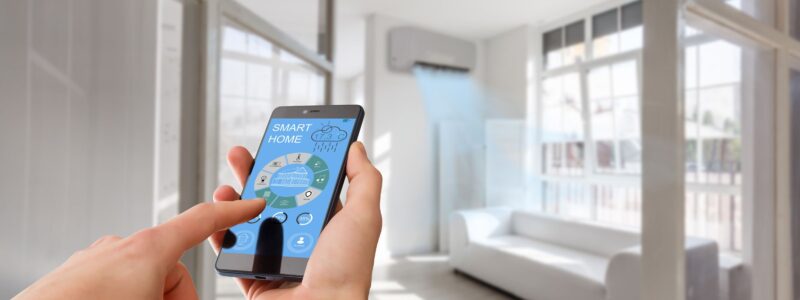
Some homeowners install smart security systems accessible via Wi-Fi on their smart devices. This works fine when you are within range of a connection.
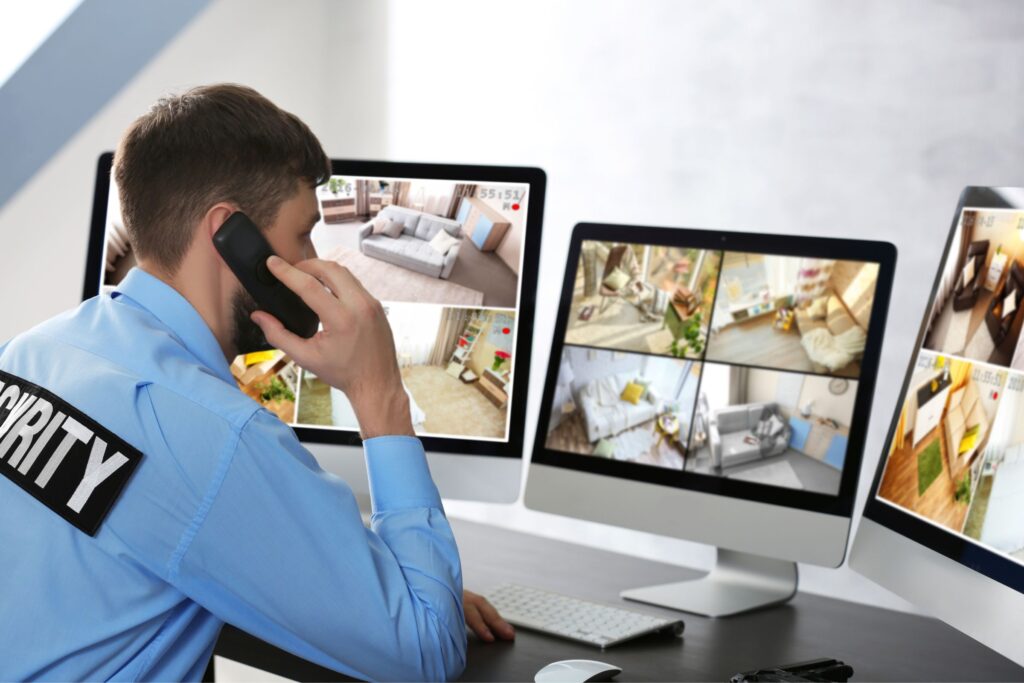
But a monitored service comes in handy if you decide on backpacking in a remote location where telecommunication signals are spotty and often non-existent.
You can also notify your alarm company when you will not be in residence.
General note:
Choose a security system with environmental sensors included. This widens your protection from unwanted trespassers to environmental disasters as well.
Most of the newer models feature flood sensors that detect increased humidity. A change in the moisture level may show a leak. Tracking the humidity changes in your home will help you prevent mold buildup.
Some systems also include smoke detectors or provide the option of syncing with existing sensors. These detectors will raise a fire alarm or alert you of the presence of toxic fumes like carbon monoxide.
4. Secure the interior of your home.
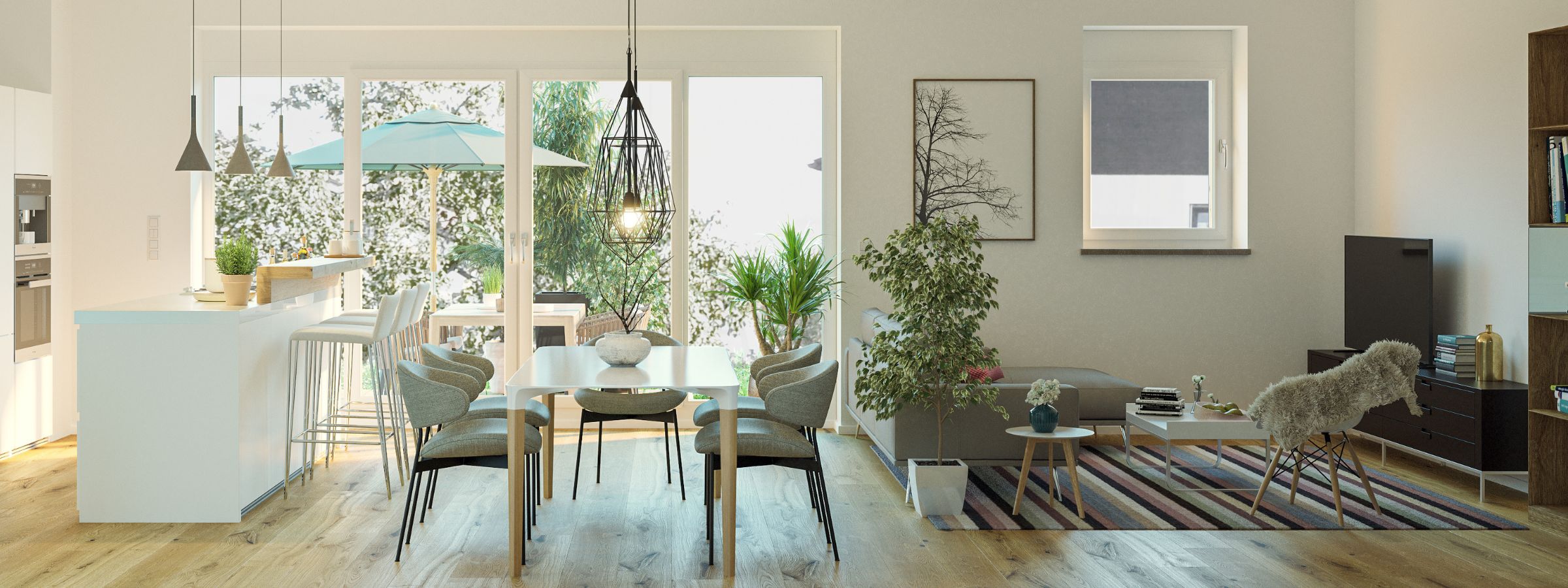
Simulate a human presence in your home.
There are several ways you can give the appearance of someone being home. One of the easiest is setting your house lights on a timer.
A smart lighting system makes it so you can pre-program the lights in your house to turn on and off while you’re away. You can stagger the light timers, so it seems someone is moving from room to room. They often come with controls you can access from an app on your phone.
The same technique works with your external lights. You can schedule the porch lights to come on and off at the times they usually do when you’re home.
Unplug nonessential electronics and turn off power strips.
Disconnecting nonessential electronics and appliances can save money, protect your devices, and reduce the risk of house fires.
Power surges happen at random and can cause devastating losses. Home electrical fires account for about 51,000 fires yearly, nearly 500 deaths, over 1,400 injuries, and $1.3 billion in property damage. (Source)
Unplugging also protects your equipment from shorting out because of electrical surges. Nonessential electronics include computers, televisions, washing machines, microwaves, coffee makers, etc.
Turn off the strip even if you have them plugged into a surge protector. Phantom energy, those produced by electronics that are off or in standby mode, adds up.
Suspend mailing and newspaper services.
One of the clearest indications no one is home is mail piling up. Unless you have someone coming by every other day or a house sitter to collect your mail, cancel all deliveries.
You can have USPS hold your mail at your local post office free for 30 days. If your vacation extends beyond this time, set up a mail forwarding address, or have someone pick up your mail.
Check doors and windows.
Double-check the locks on all your windows and doors before you leave. It’s an easy step and one we sometimes forget, even under non-vacation circumstances.
If you’re using the smart lighting ruse, put up blinds and curtains that make the light visible from the outside. Close most, not all. Your blinds, curtains, and shutters can give the feeling of vacancy if they’re all closed and drawn. As if there’s no one home.
Burglars are always on the watch for these simple signs we take for granted. Arranging with a relative or friend to pop in and draw the curtains in the morning, and closing them at night, can help simulate a human presence.
Secure your valuables.
Close the blinds or curtains in rooms where you have valuables in plain view. Items like your big screen television and gaming computer rig stand out as big-ticket scores. And you can’t tuck them in a closet or under your bed.
Use fire and waterproof storage. Protecting your valuable content also means securing them from household disasters and acts of nature. You might not be home when a major storm hits, and water may flood into the house, or the roof might spring a leak.
Check the batteries in your home security devices.
Check your smoke detectors, cameras, and motion detectors and ensure they are all in working order. When installing these devices, keep a record of when you change the batteries or service them.
Hard-wired systems often have battery backups in case of power outages. Choose high-quality batteries over budget ones as they’ll give you more prolonged use.
Install a programmable or smart thermostat.
Since there’s no one home, you can save money on heating or cooling your home to optimal temperatures. Don’t turn off your system during winter, as this may cause your pipes to freeze and burst.
Set your programmable thermostat four degrees higher or lower than your usual setting. You can then program when it should resume your optimal setting, so the house is nice and cozy by the time you reach home.
With a smart thermostat, you can monitor the temperature while you’re out and make needed adjustments. Perhaps a blizzard hits while you’re away, then you can raise the temperature. This will keep the house warm and protect your pipes from the drop in temperature.
5. Secure the exterior of your home and property.
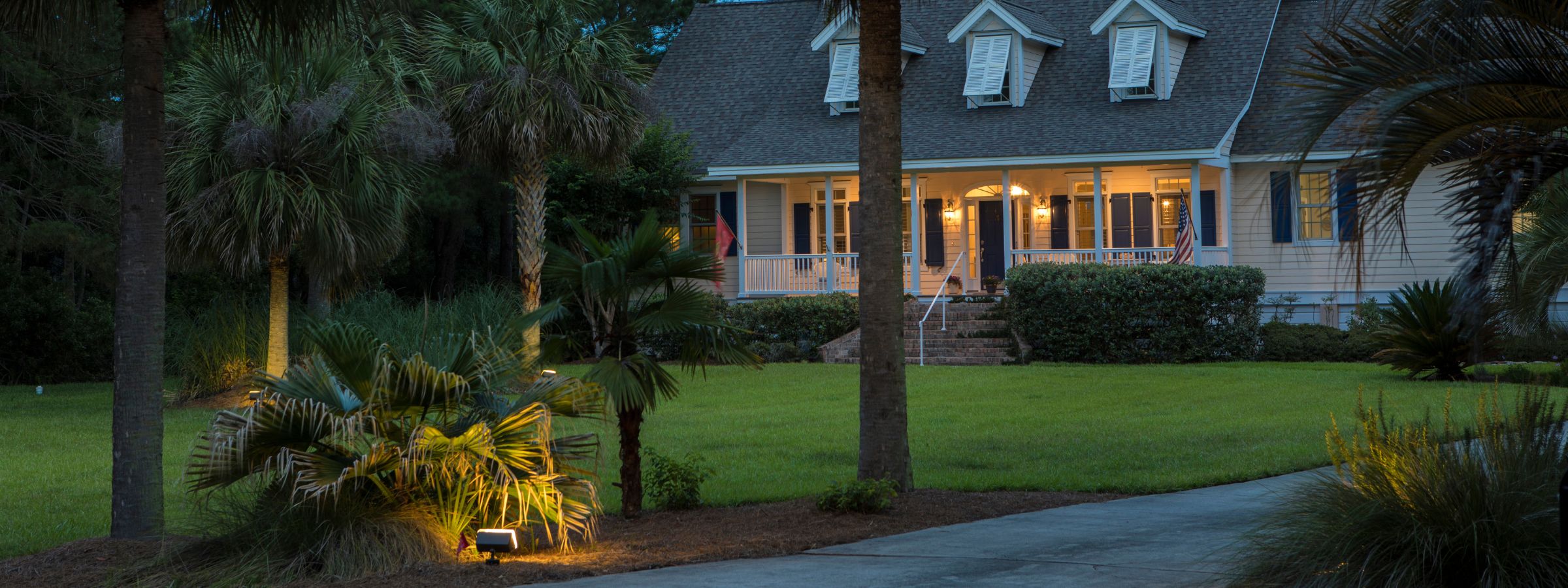
Install sensor lighting.
Sensor-activated lights are relatively cheap and easy to install. They’ll alert you (or a watchful neighbor) when someone approaches your house.
As the name suggests, motion activates them, and they’ll light up your porch, yard, or anywhere around your house if someone approaches. The last thing a thief wants is a spotlight for their devious activities. Imagine their surprise when a full blast of light hits them while trying to break through a window or pick a lock.
Install outdoor security lights at common hiding spots and entry points by the back door and along the side of the house.
Don’t leave spare keys outdoors.
We all know the fake rock, in the floor plot, under the mat, over the doorjamb, hiding places by now. So do burglars. Don’t leave any of your spare keys outside when you’re on vacation. If you’ve asked someone to check on things, hand them the spare.
Add a smart lock to your door.
A smart door lock grants temporary access into your home with expiring codes. Instead of handing out physical copies of your keys, give your house sitter, or pet sitter, a temporary code. Each time they key it in and enter the house, the device registers the information. This way, you’ll have an access log and track who goes in and when.
You can end access by canceling the codes when you return home or if a problem arises.
Install a video doorbell.
Smart video doorbells are handy for a variety of reasons. They enable you to see who rings your doorbell no matter where you are, as long as you have cell service. When you don’t, they create footage logs you can review later.
Some come with built-in motion sensors, so even if the person doesn’t ring the bell, the camera will capture their image as long as they’re in range. This is especially useful for catching package thieves or anyone snooping around.
Arrange for lawn care.
A neglected lawn screams, “No one’s home!” Stick with your regular lawn care routine if you have someone who periodically comes in. If you handle the mowing and trimming yourself, consider hiring out the service for the duration of your vacation.
Perhaps a friend or relative can deal with the maintenance in your absence.
Shut off the water main.
Burglars aren’t your sole concern when leaving your home on vacation. Normal household disasters can occur even when you’re not there.
Prevent damage from leaks, burst pipes, and flooding by shutting off the water main. If you have a gardener scheduled for lawn care services or an automated sprinkler, shut off the water supply to the interior of your home.
Lock the garage and disconnect your electric garage doors.
Most houses have a door linking the garage with the primary structure. Thieves can gain easy access via an unsecured garage door. And even if there isn’t a linking entrance, you may have tools and other valuable equipment.
Disconnect the electronic opening on your automatic garage door, and padlock or latch it shut. Doing this reduces the chance of a garage break-in by anyone with the tech ability to hack the system.
Remove the garage door remote if there is a car in the driveway. Leaving it there grants a burglar free entry into your home.
Conclusion
Securing your home should always be a top priority. Take extra security measures to reduce the possibility of burglaries when you leave home for any length of time.
- Down-low vacations are best for not attracting unwanted attention. Never broadcast when you’re out of town. This leaves your house vulnerable to burglars.
- Enlist the help of friends, family, and your trusted neighbors. Hiring a friend or relative as a house sitter will give you an added level of protection for your home and care for your pets.
- Make use of a monitored security service.
- Secure the inside of your house with the following steps:
- Simulate a human presence by installing timers on lights in and outside of your home.
- Unplug nonessential electronics and turn off power strips. This will prevent house fires and save money on utilities.
- Suspend mail and newspaper services. Piling mounds of mail is a sure sign nobody is at home.
- Check doors and windows as thieves can gain access at these points.
- Secure your valuables in a fire-safe container where it’s also protected from water damage. Keep them out of sight as much as possible.
- Check the batteries in your home security system and opt for high-quality instead of budget substitutes.
- Install a programmable or smart thermostat to control your home’s temperature even when you’re not home.
- Secure the exterior of your house with external security measures.
- Install outdoor sensor lighting. They’ll illuminate anyone who approaches your house.
- Don’t leave spare keys outdoors, as your hiding places aren’t as clever as you think.
- Use a smart door lock and grant temporary and monitored access to your house while on vacation.
- Smart video doorbells allow you to answer the front door anytime as long as you have cell service. You’ll have a running video log of visitors.
- Keep your usual lawn care routine as best as possible. An overgrown front yard can attract the wrong attention.
- Shut off the water main or disconnect the water supply from your home. This will prevent flooding from bursting pipes and water damage from unattended leaks.
- Lock the garage and disconnect electric garage doors, and don’t leave the remote in a car parked outside.