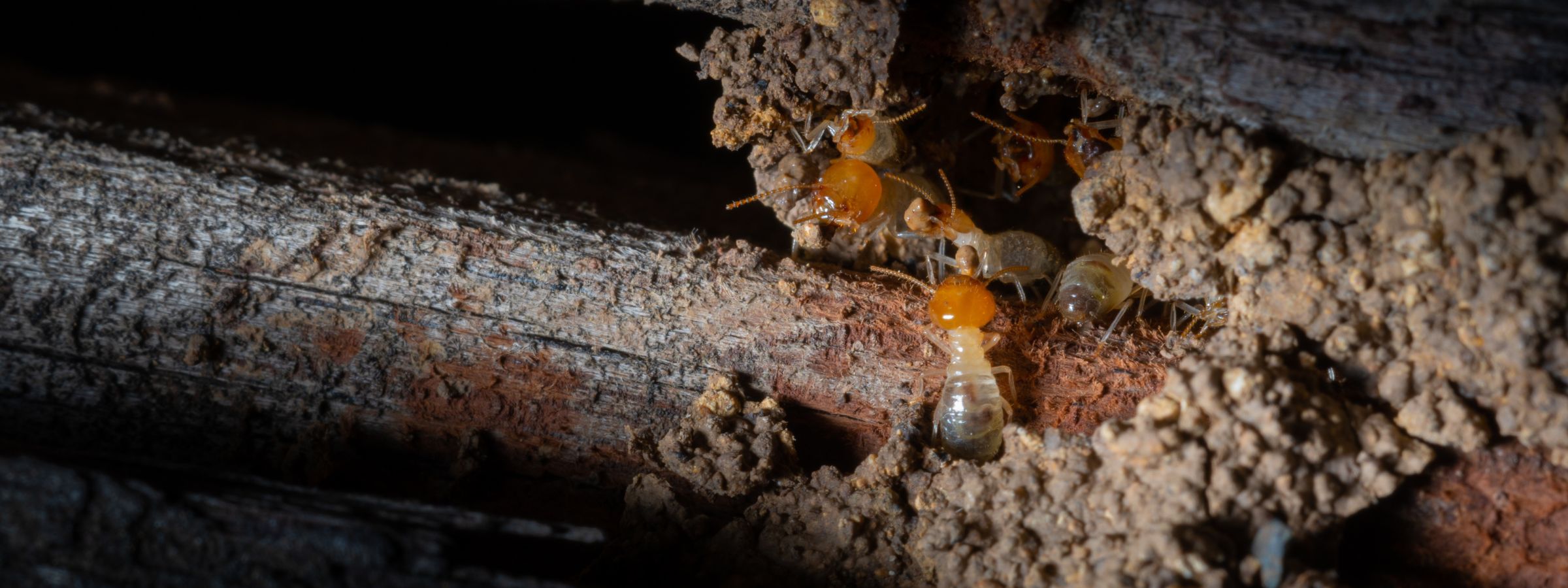
In Part 1 of our Protect Your Home series, we spoke about the causes and dangers of water damage. Today, in part 2, our focus is on termites.
Termite infestations are devastating for homeowners. They can cause thousands of dollars in damages, rendering your home unsafe because of structural deterioration. Fortunately, you can take preventative and corrective measures to eradicate these pests and deter future infestations.
I | Why So Many Americans Don't Take Termite Control Seriously
They live in brick houses.
You may have used bricks to construct the exterior of your house, but what’s on the inside? What did you use to build your home’s framing, from the floor to the walls to the ceiling?

That’s right, wood. You’re at risk if ‘wood’ pops up on your house’s construction materials list.
Where you use the wood and whether or not it determines your home’s structural integrity increases the dangers you face.
Hidden inside your brick walls is the best place for a colony of termites. Out of sight, out of mind.
They think termites aren’t a thing in their area.
It’s true; some areas are more prone than others. But warmer weather trends extending into northern states are expanding favorable colony-making conditions for termites. Additionally, they take advantage of you mulching your landscape, which creates an insulating barrier that heightens the soil’s moisture retention.
Your landscape isn’t the only one benefiting from the mulch. For all you know, you may be inviting termites onto your property without knowing.
II | Telltale Signs of Termite Activity
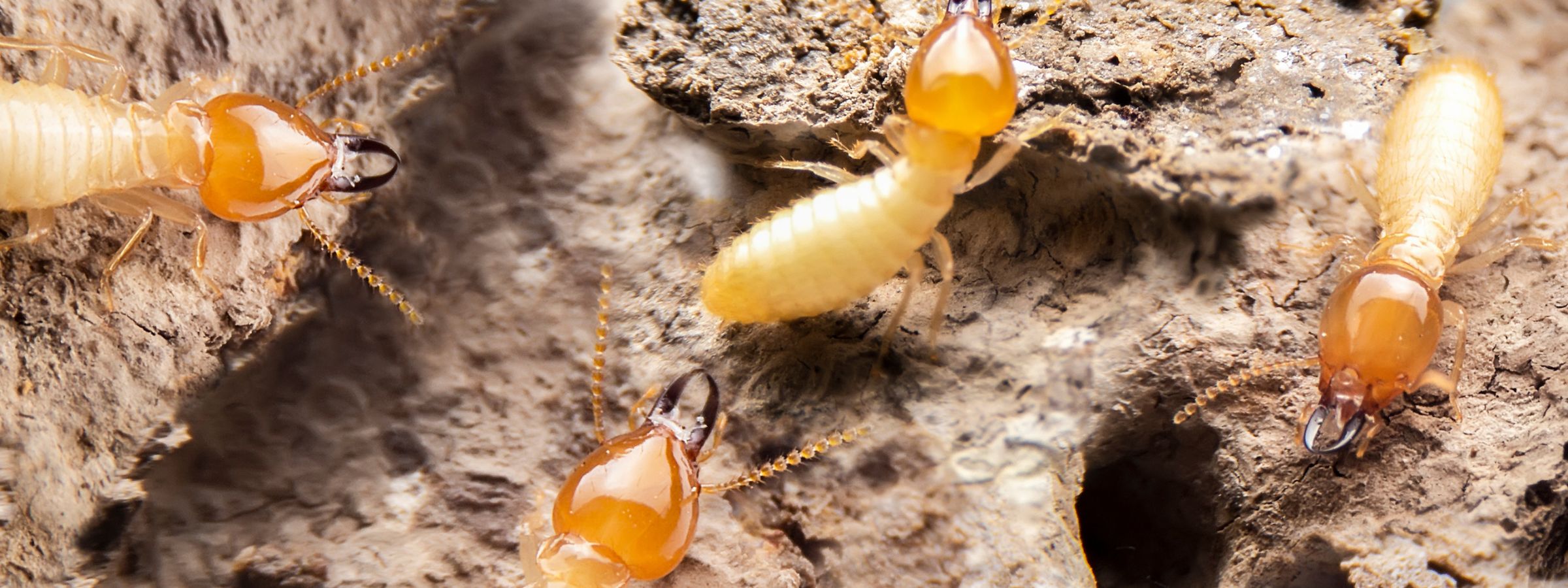
Whether it’s drywood termites that burrow into wooden structures, or subterranean termites that primarily live underground, these pesky intruders can be troublesome to detect before they cause significant damage. Here are some signs to watch out for.
Mud tubes
Mud tubes or termite tunnels are dead giveaways of termites in residence. You’ll find trails of brown sediments running on your foundation walls, sills, walls, crawlspace, etc.
Shed wings and flying swarms
Winged termites or “swarmers” are often mistaken for winged ants. Telling the two apart might be difficult with only the wings, but there is a difference. Ant wings have few veins and are usually clear. In comparison, termite wings have many veins and may appear milky in color.
If the wings are attached to the insect, ants have larger front pairs, with the back two being smaller. All four wings of a termite tend to be the same size. Also, check the abdomen. Winged ants have tapered waists, while termites have straighter abdomens.
Crumbling, damaged, or hollowed-out wood
Check your wooden fixtures for openings lined with dots of mud and soil from old or in-resident colonies of termites. They tend to move around, but they don’t take the debris of their old tunnels with them. Drywood termite pellets resemble small piles of salt or pepper. Rest assured, even if they’ve moved on from the damage you found, these hungry termites are still around, creating havoc elsewhere.
Tap your walls and listen out for any hollow spots. Cracked and bubbled paint can also be indicators, along with small pin holes in your drywall and wooden fixtures. Buckling and squeaky wooden or laminate floorboards are other signs of infestation.
Other warning signs include:
- Discoloration and drooping of your drywalls
- Peeling paint that resembles water damage
- Loose tiles caused by the added moisture termites introduced to your flooring
- Jammed windows or doors
- Maze-like patterns in furniture, floorboards, or walls
Routinely check your yard for any sign of termite habitats and signs of damage.
Now, let’s look at ways you can protect your home.
III | Ways to Protect Your House From Termites
1. Prevent moisture from accumulating near the foundation of your house.
It’s the same warning regarding water damage to your foundation walls. The dampness serves as a lure for termites. They love moist environments. Homes with poor drainage provide the best accommodations.
Prevent creating a termite-loving habitat by directing all water away from your home into a designated catchment area.

Clear clogged gutters and downspouts, repair them if damaged, and install splash blocks. Slope or grade the ground away from your foundation to restrict water settlements.
Humidity in crawl spaces, basements, and attics is another issue. Reduce the moisture with proper ventilation and insulation of these areas. Keep vents clear of leaves and other debris. Trim away obstructing vines, shrubs, and vegetation.
Prevention is always the best step. Most pest control companies install vents and vapor barriers if you’re looking for professional help.
2. Eliminate wood-to-soil contact.
Any wooden element of your house touching the soil is vulnerable, from steps and supporting posts to the wood siding. Wood-to-soil contact gives termites open access to food, moisture, and shelter.
There are solutions for treating wood against termites, but it’s not always foolproof. All it takes is a single crack, and they’ll burrow their way in and form their colonies. Shy of embedding themselves, they can build tunnels over the surface.
Remove all form boards leftover from construction if you live in a newly constructed or refurbished house. Remove grade stakes, dead tree trunks, and roots, as they may attract termites.
Elevate all the wooden elements of your home above ground level. Some experts recommend at least 6-18 inches above the ground. If you embed your stairs in a concrete base, encase the wooden posts completely. In most cases, the wood extends beyond the concrete and into the soil. Termites will nest in the exposed section and eat the wood right out of the concrete.
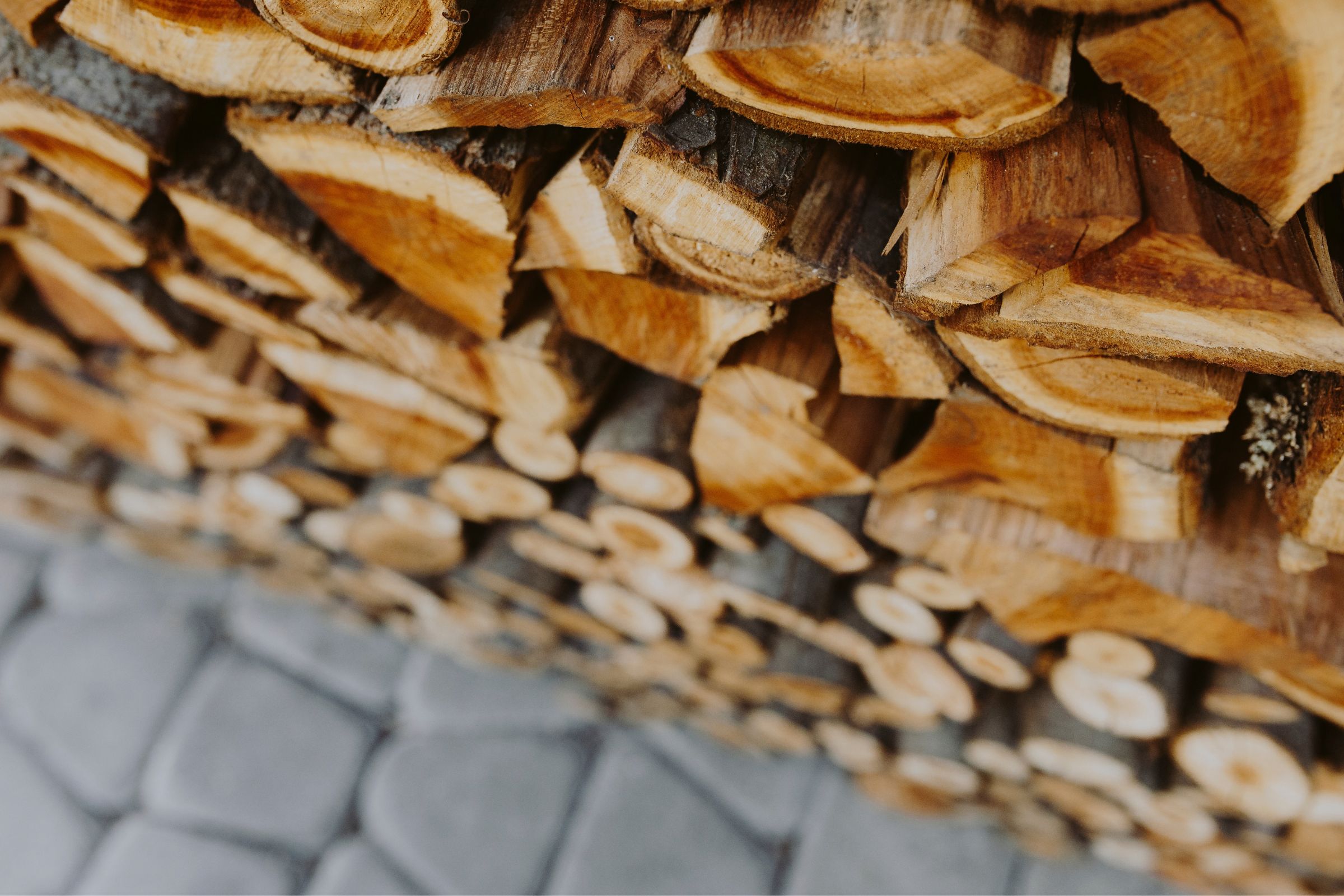
The same principle applies to your firewood. Store your firewood supply at least 15-20 feet away from your house and 6-18 inches off the floor. If you carry an infested pile into your home, you’ll also spread the destructive pests indoors.
3. Mulch with caution.
As I mentioned above, termites love landscape mulch. It retains moisture in the underlying soil and protects them from extreme temperatures as they do your plants. Since wood mulch isn’t a good food source for termites, it doesn’t matter what mulch you use. Crushed stone and pea gravel have much the same ideal moisture-retaining effect.
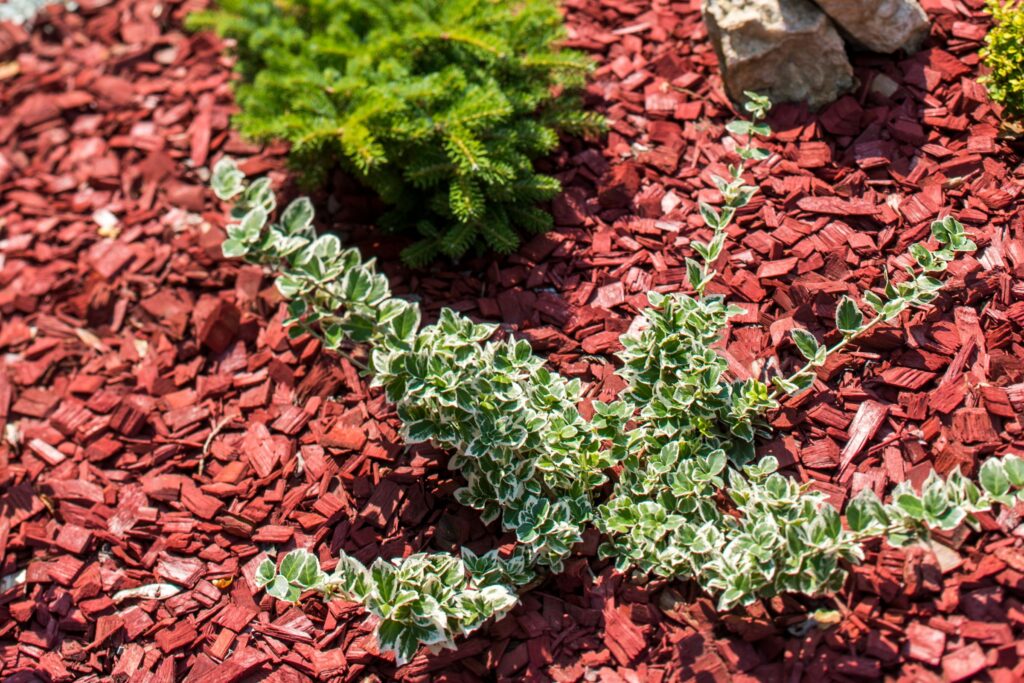
Keep the mulch away from the foundation of your house, wood siding, wood lattice, and the framing of doors and windows.
4. Have your home treated by a professional pest control company
There is a limit to the actions you can take alone regarding termites. Applying termiticides is one of those things best left to a pest management professional. Heading off any potential infestation before it happens gives you a head start. Aggressive cases will also require professional assistance to eliminate the current problem and prevent future repeats.

After the treatment, you can choose to maintain the warranty provided. As long as the warranty holds, you can receive retreatment at no additional charge if the problem arises again. You can also opt for an annual termite inspection.
Conclusion
Prevent ground contact and cut off any potential food source for termites. Following the above tips can save thousands of dollars in property damage and protect your home from termite infestation.
It starts by not creating conditions for termite infestations.
- Prevent moisture from accumulating near the foundation walls.
- Eliminate wood-to-soil contact by elevating the wood portions of your house 6-18 inches above ground level.
- Keep mulching away from your home’s foundation and other wooden elements that may form nesting conditions for termites.
Some pest control companies offer free inspections. They’ll let you know if you’re uncertain whether you have an active termite infestation. They can also recommend a termite treatment plan if your home’s vulnerable to an attack. Call in a professional exterminator for severe cases of infestations.