
Becoming a wise spender means curbing your impulses and developing good spending habits. It can be hard to resist splurging on the extra bit of cash you earn each month, but before you do, consider these questions:
- Have you been saving?
- Do you have a personal budget?
- Do you have any outstanding debts?
- Is there a better way of spending the extra cash?
Get the essentials out of the way first by prioritizing your needs over your wants. And as a rule of thumb, always spend less than you earn. Setting personal finance rules and monitoring your spending is crucial in achieving your financial goals.
Here are five simple strategies for taking control of your finances.
5 Simple Ways To Master Your Personal Finances
Personal finance education is one of the essential steps in the process of mastering your finances. Your understanding of budgeting, savings, investing, and debt avoidance will have a lasting and positive impact on your quality of living.
This knowledge is the difference between living a comfortable life and always being neck-deep in debt. Some of which we can avoid with better spending habits.
This article provides a jumping-off point, but there is still so much to learn that can’t fit into one simple blog post.
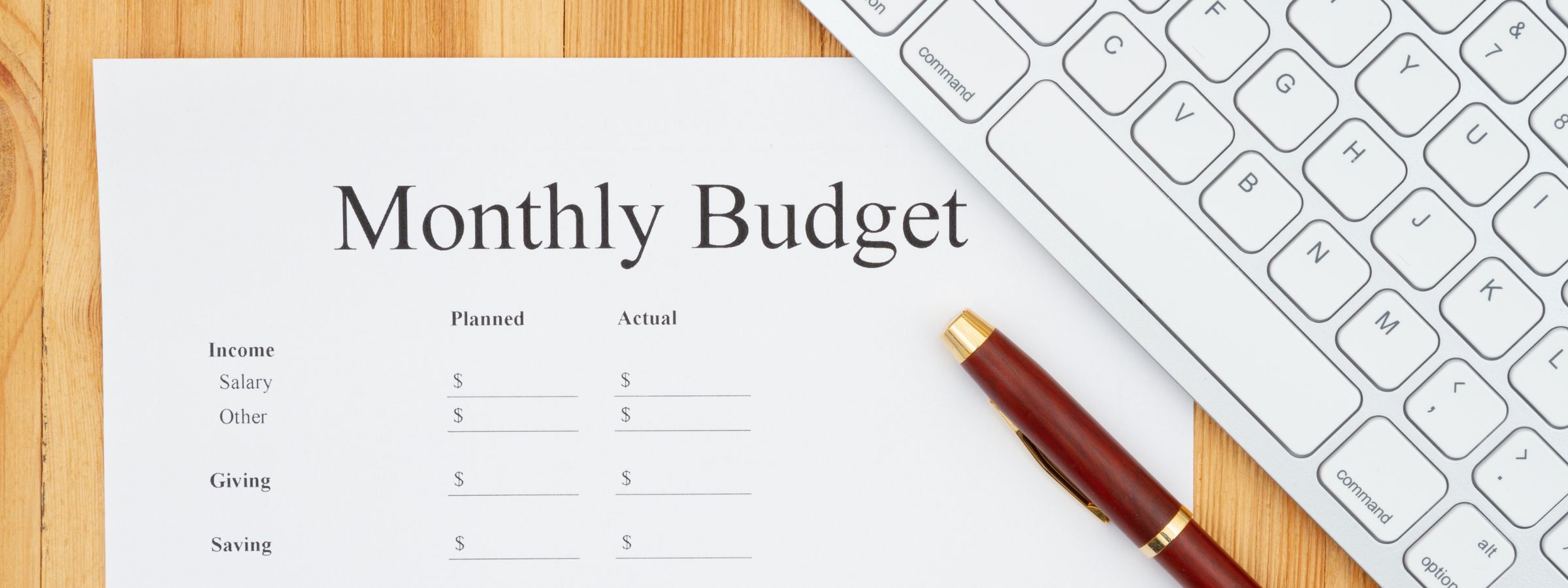
Tip #1: Keep Track of Your Money
After learning how to master your personal finances with the money management tips below, you will need a money management tool. Something you can use to keep tabs on your spending and income. Your option ranges from online to offline solutions: apps, spreadsheets, and a physical budget tracker journal.
Tracking your cash flow and where your money ends up is easier when it’s all laid out in an app or on paper. Creating a spending plan in the future is easier when you know what you’re working with each month.
Use a personal finance app.
There isn’t a shortage of paid or completely free personal finance apps. These apps come with multiple functions to help you track all areas of income and expenses.
Let’s look at Wallet, a personal finance manager app from BudgetBakers.
Wallet allows you to input your separate accounts, the amounts in each, and track your expenses and monthly income. These trackers let you see which account you used for expenses. As you input reoccurring payments and day-to-day purchases, it asks you to apply a category. Some categories include income, investments, transportation, life and entertainment, and groceries, among other living expenses.
Wallet has additional features to help track debt payments and your savings goals. Short-term goals and ultimate financial goals.
Choose an app with the right features to keep you on track. At the end of the month, you’ll see where you can cut back on discretionary spending while reviewing your budget.
Hard copies of your financial planner also work.
If you’re into bullet journaling or physical record-keeping, set up a spread with your bills, daily expenses, and subscriptions. Fill in known payments, those with fixed costs each month, first. At the end of the month, update your table as the other monthly bills come in.
As much as we’re becoming increasingly dependent on electronic conveniences, don’t take offline options for granted. Companies close down, and electronic devices malfunction.
Separate your monies.
Separate accounts for spending on daily living expenses and where you save. Splitting up your earnings for savings from other monies provides additional security. You can watch your savings grow for long-term growth while meeting your present needs.

Tip #2: Evaluate your Expenses and Revamp your Budget
Every purchase you make is an investment. Some are empty (frivolous, unnecessary spending); some provide returns (savings and other financial assets), while others are unavoidable (bills and loan repayment).
List all the expenses you have for the month: bills, subscriptions, groceries, debts, etc. You need this list to input the necessary information into your financial tracker and decide what you can shave off.
From this master list, you will declutter your budget into expense categories. Color coding your list based on the areas below will help simplify the process. For example—assign all “Primary Necessities” in red, “Secondary Necessities” in orange, “Non-Essentials” in yellow, and “Miscellaneous” in green.
Use whatever colored pens, markers, pencils, or stickers you have at your disposal.
Expense categories:
- Primary Necessities (housing, transportation, groceries, utilities, insurance, medical, and healthcare)
- Secondary Necessities (savings, investments, debt repayment)
- Non-Essentials (personal spending, recreation, and entertainment)
- Miscellaneous (unallocated funds or overflow)
You can group the above into Must, Need, and Want for another layer of designation.
Once you’ve designated a level of importance for each of your expenses, you can begin outlining your new budget.
Be critical about where you spend your money.
We tend to talk ourselves into hoarding unnecessary items saying we may use them one day. The same anxiety of decluttering your home also happens when you sit to reevaluate your budget. We talk ourselves into things. It’s a habit you’ll have to shake if you want to make any progress in managing and ultimately mastering your expenses.
Drop vanity spends or at leave slash them in half. Once you shave off the spending fat, you can better track and shuffle your expenses.
Make an emergency fund.
While organizing your budget, assign emergency funds for unexpected expenses. These life bumps can hit you hard when you’re already pinching pennies. You won’t know exactly how much you’ll need since you can’t foresee the disaster but set aside enough for a good cushion. Then you won’t have to be scrambling to find the extra money or spend too much out of cash allocated for daily expenses.
Tough times crop up when we least expect them and always at the most inconvenient time. Prepare for these occasions as much as your current situation allows.
Plan to pay off debts.
While you’re outlining your regular expenses, pocket money, rainy day funds, and savings, review your debt. Note how far you are in repaying your student loan, unpaid credit card balances, mortgage, or other obligations.
Your payment history affects your credit score, which in turn affects future access to credit. It’s a domino effect you should be mindful of each time you take out a loan or swipe your credit card.
Credit cards and credit karma.
To be blunt, having a credit card gives the illusion of having money. The attractiveness of instant access to extra cash spurs many holders to spend what they don’t have. Then, each time you receive the bill, you pay the minimum, leaving the balance to carry over monthly. Over time, the debt grows, accumulating late fee interests, and dropping you further in debt.
Snowballing debt will batter your credit score, lowering your financial prospects.
The average household credit card debt in America is $5,315. Your financial situation depends on how fast you can clear off accumulating back payments. How well you adjust your current lifestyle also plays a part in it.
Banks and credit card companies know that some of us find it uncomfortable to live within our means, while others simply cannot. They bombard you with offers for fast loans and quick credits, and before you know it, you’ve passed your credit limits with hundreds of dollars left to repay.
Be wary of fast cash offers and make extra payments toward your debt whenever possible.
Tip #3: Avoid Temptation
Don’t go into any stores or click on e-commerce sites unless necessary. Store owners design their businesses on and offline for the sole purpose of luring you to buy their products. It’s how they stay in business. It’s all a trap.
Run.
Enter not the temptation of stores or e-commerce sites unless necessary, and arm yourself with a shopping list.
Treat yourself, but always be mindful of your budget and the things higher on your priorities list.

Tip #4: Automate Responsibly
Automate your financial needs and musts. The list includes loan repayments, savings for emergencies, and retirement funds. Monies out of sight are out of reach until they become needed.
The second option is setting up reoccurring payments yourself from your bank account. By automatically transferring small amounts for savings, you eliminate the indecision of choosing between short-term temptations and long-term goals. Automating loans means never missing a payment and accumulating late fees.
Living in the present is great, but preparing for the future is also essential. And ridding yourself of debt frees up more disposable income. Invest this income into ventures that increase your wealth instead of taking from it.

Tip #5: Cook at Home and Eat Out Less
How much money could you save a month by cooking at home? That means no eating out and no delivery.
One of the common reasons for eating out is the time it takes to cook. After a long day of work, standing over a hot pot is a chore you want to avoid. I get it. But convenience comes at a price.
Here are some of the benefits of cooking from home:
It contributes to a healthier diet.
When you cook at home, you’re assured your family’s consuming fresh and wholesome meals. Nine times out of ten, ‘junk food’ falls on the menu for eating out as it’s fast and convenient. Processed food is high in hormones, sugar, salt, unhealthy fats, and other harmful additives.
Cooking for yourself, you can control the ingredients you use, being more discerning from the supermarket as you choose your groceries.
A poor diet will cost you in the long run. Healthy eating means fewer diet-related health issues that can eat away at your bank account.
It’s cheaper and saves you money.
According to Market Watch, the cost of eating out is increasing faster than grocery bills. Restaurants calculate the costs of purchasing raw materials, utilities, employee wages, and other expenditures that add a markup on the final product.
A home-cooked meal removes markup prices from your budget.
The more you do something, the better you get at it. So, the more you cook, the more you’ll find ways of making the process fun, shortening the time it takes for you to prep.
Prepping your meals for the whole week, say from Sunday, eliminates the daily question of what you’ll eat.
Pack your lunch and take it to work. Every $5 you save from not eating out adds up over time.
Side note: While shopping for your groceries, check out store brands. Why pay for fancy packaging and marketing for brand names when you can find an affordable alternative?
Store brands have the same nutritional value and taste for a fraction of the price of their brand-name counterparts. Unless there is a specific health reason for you not choosing ‘store brand’ versus ‘name brand,’ give it a try.
Conclusion
Master your personal finances:
- Take personal finance education seriously;
- Control your spending impulses;
- Develop good spending habits and monitoring your cash flow regularly;
- Maintain a monthly budget and understand where your money goes and the nature of your expenses (must, needs, wants), and track every penny;
- Find ways to cut back on your spending and trim the expense fat while saving money for emergencies.
Developing any good habit takes time and practice. Set your personal finance rules and follow them. Financial independence is within your control. Use a reward system to congratulate yourself on responsible adulting for added incentives. Your future self will thank you for it.