
Buying a car with lousy credit is possible but requires some work.
Shady dealers and lenders offering services for buyers with poor credit scores complicate the issue. They try to take advantage of your dilemma, making it seem your options are far more limited than they are.
Don’t settle for a lousy deal because you think you can’t pass a credit check by an auto lender. Start researching your options with this blog, where we’ll take you through solutions for improving your poor credit ratings and avoiding unnecessary debt and loan scams.
I | Work on Improving Your Credit Worthiness
Your credit score is the starting point of most financial transactions. A finance company will read your credit report, which outlines your score and the corresponding credit history. Reading this report is how lenders get to know borrowers on a financial level.
Where you fall between 300 and 850 makes a big difference in your life.
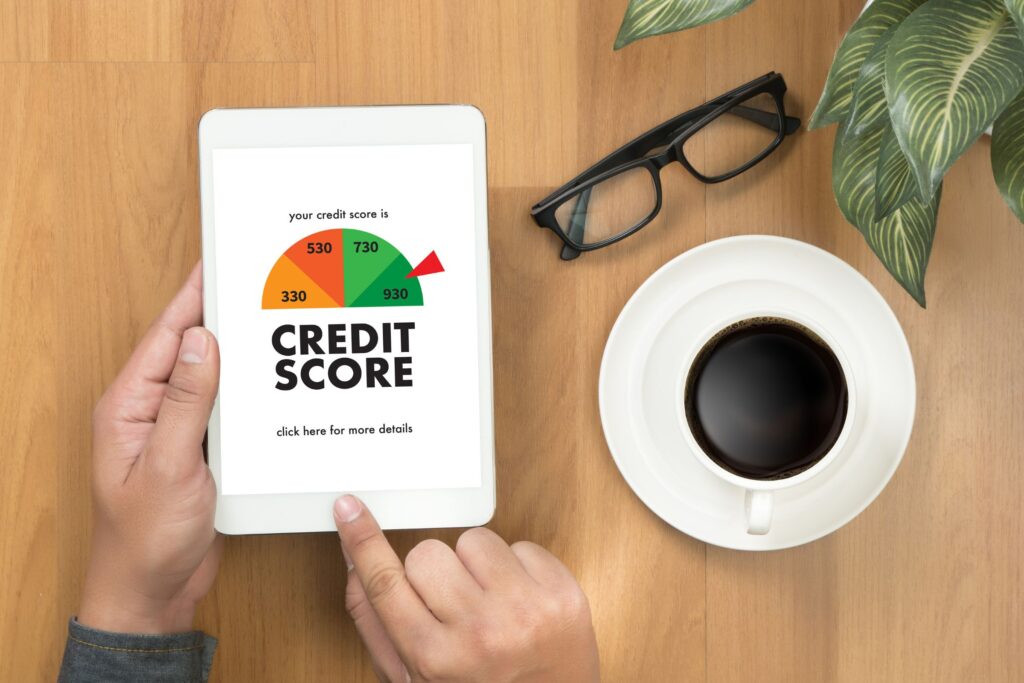
It sums up your creditworthiness and assures potential lenders that you can repay the borrowed money.
The good news—your score isn’t set in stone. Credit bureaus analyze the trends within your credit history and adjust your ranking accordingly.
On-time payments, late payments, bills in arrears, applying for a new credit card, paying off a debt in full, tip your score up and down throughout your credit history.
Free Credit Counseling
Improving your credit record by yourself can sometimes be a daunting task. And when life happens, it’s not always a realistic option. Consider consulting a national non-profit credit counseling agency for help.
Organizations like the National Foundation for Credit Counseling (NFCC) offer free debt assistance. They’ll help you pay off your debt faster, lower your current interest rate (even with poor credit), and build a strategy for your financial health.
Fix Credit Errors
Credit report errors can negatively impact your score. Get a copy of your credit report from the leading credit reporting agencies, Experian, Equifax, and TransUnion. Each agency uses a different credit score model, so your score may vary.
Read through the reports and highlight all discrepancies. Make sure your payment history is up to date and the loans you’ve repaid in full are marked as closed. Correcting these mistakes can increase your credit rating.
Your Credit Worthiness is More Than Your Score
Although your score matters, it’s not the only factor lenders use to evaluate whether they can trust or want to work with you.
When you fill out a loan application, the lender will ask about your employment status, history, assets, and income.
These details aren’t on your credit report. They don’t affect your score but carry considerable weight in lenders deciding if you’re a safe investment.
Based on the results after reviewing your loan application, a lender will either decline or approve you for a loan. Prime borrowers will receive the most favorable terms.
Avoid Additional Bad Credit Choices
Watch out for red flags for lenders with questionable intentions. Everyone knows that established financing companies rely heavily on credit scores when evaluating clients. Not meeting the minimum credit score is an automatic disqualification before you send in the loan application.
Don’t rush into an auto loan decision. Always be on the lookout for scams. Weigh the financial risks of signing a contract. Predatory financing will cost you more than you bargained for in loan payments.
II | Check Interest Rates

The market has the final say even if you’re in the best credit shape of your life.
Check online for the latest average interest rate for auto loans. Based on the numbers, you can estimate that a borrower with a good score can qualify for a rate at or below average. But for borrowers with bad credit scores or “subprime buyers,” rates will inch above average.
The average auto loan rates give you an idea of the starting point. Compare the offerings of several lenders and choose the most reasonable interest rate. Keep in mind, however, that you won’t know your exact rate and terms until you send your application and receive a personalized estimate.
III | Get a Pre-approved Car Loan

You can go into the shopping process with realistic expectations once you have a pre-approved loan amount. The estimated loan terms set your money limits, removing the guesswork and narrowing your options.
Preapproval will also help with your budgeting. Estimate a budget for the monthly payment you can comfortably afford while paying your other bills on time and in full. You’re already in a bit of a credit pinch. The last thing you need is penalties negatively impacting your credit standing.
Prequalification isn’t a guarantee you’ll receive the exact loan amount or terms stated. But should you go ahead with the loan, the numbers shouldn’t be far off the original estimate.
Consider multiple options
You can apply for multiple pre-approvals during a 2-week period without the lenders‘ credit inquiries affecting your score. Compare the offers you receive and how much you’ll end up paying in interest for the life of the loan.
A low monthly payment doesn’t always mean you’ll pay less interest.
Not all banks and credit unions cater to subprime borrowers. You may have to widen your search to less traditional loan options. Car dealerships, for instance, offer financing, but the rules governing them differ from conventional financial institutions.
Car Dealerships
Car dealerships make a chunk of their money by marking up interest rates. In most states, dealerships have no obligations to tell you the markup percentage.

Less reputable dealers will arrange financing options that make them the most money without offering you many benefits. Subprime buyers are prime targets for these lousy deals because you can’t always overlook them because of necessity.
Getting pre-approved for a loan will save you thousands of dollars. Competing statements incentivize the dealer to make a more competitive offer if they want to be your lender of choice.
Stick with traditional dealerships.
Choose a traditional dealership with a proven reputation in the industry. These established dealers will offer competitive and affordable loan rates from multiple lenders.
Lenders who fall into the “Buy Here, Pay Here” category finance the loans themselves, not through a third-party financial institution. They may also not report your payment history, which would improve your credit standing with credit reporting agencies.
Buying a car and securing financing in one place is convenient, but be careful not to overpay for this convenience.
Make a Bigger Down Payment
Your credit history determines the size of the loan you can borrow. A larger downpayment might be your only recourse for an affordable financing deal. It can also reduce the fees, interest, and taxes you pay.
You can also expand your car selection options with improved financing terms.
Get a Co-Signer
A co-signer can help you qualify for favorable terms and rates. Lenders have confidence in borrowers with excellent credit. It doesn’t matter if they are the primary borrower or the co-signer acting as a guarantor for repayment.
If you ask someone to sign for you, be aware of your responsibility to them. Signing as your co-signer will affect their credit score. If you default, the co-signer’s score will take a hit, and the lender will expect them to repay the outstanding balance.
Non-Profit Loan Assistance
Besides banks, credit unions, and dealers, non-profit agencies offer auto loans to low-income borrowers.
Check if any of these programs are available in your state.
IV | Shop for the Right Car that Fits Your Needs and Budget

Once you’ve completed the pre-approval process, it’s time to go shopping. You know how much you can borrow for a loan, which sets the budget limit.
You don’t have to find a car that sucks up the entire cost of your budget. Aim for a comfortable range, as your choice affects your debt ratio.
Here’s where you need to decide on one of three routes:
- Buying a used car from a private seller;
- Buying a used car from a dealer;
- Buying a new car from a dealer.
For the lowest purchase price, a used car from a private seller is probably your best option. The key is offering the most attractive price to beat out other eager buyers. If you choose this option, ask for a vehicle history report. This document should outline any significant damages, repairs, or modifications done to the vehicle.
Get a thorough pre-purchase auto inspection.
Buying a used or new car from a dealer comes with higher price tags. Dealers handle most of the paperwork for your current purchase, existing auto loans, and title transfers. Some also accept trade-ins.
Skip the Fluffs and Extras
Balance your desires with your budget.
Remember, you’re contending with higher interest rates than someone with excellent credit. The vehicle‘s purchase price is where you start saving on monthly payments.
Avoid spending extra money on unneeded things. The cost of ownership goes well beyond buying the vehicle. You’ll also have to consider insurance, regular maintenance, gas, and other ongoing expenses.
Learn more about the pros and cons of buying a new versus a used car.
V | Negotiate an Affordable Price

Negotiations are part of the buying process. As I mentioned, the purchase price of the vehicle sets the base price of your loan. Then you add in interest and additional fees. So choosing an affordable car within your budget range, you’ll start on solid footing.
During negotiations, focus on the sale price. The monthly payments and interest doesn’t matter at this point. If you can negotiate a lower sale price than what’s on the sticker, you’ll reduce the total interest paid over the loan term.
Walk away from bad deals. You know what you can and cannot afford. A bad deal will only set you up for problems later on.
VI | Read all of the Paperwork Before Finalizing the Purchase
Before signing any contracts, make sure you understand the fine print. Check for hidden extra fees, special terms, and penalties.
One of the most costly penalties you’ll find is prepayment penalties. Some lenders penalize borrowers for paying off their debt early by adding excessive prepayment penalties to recoup some of the interest they lose on early payments.
It’s not an illegal practice, but it is one you want to avoid. You never know when you might land a financial windfall. Clearing off your debt will be a top priority.
Prepayment penalties can also sabotage securing a favorable interest rate if you try to refinance your auto loan.
Ask questions before making the final decision. Only work with lenders that are transparent about their finance process.
VII | Make Your Car Payments on Time

If you default on your payments, you’re risking repossession. Reclamation companies charge lenders for their services, and these costs end up as part of your loan balance.
Schedule automatic payments, so you’re never late with repayments. Paying your bills in full and on time will improve your score.
Conclusion
When shopping for a loan with bad credit, you must be more vigilant about your financing options.
Be on the lookout for predatory loans with exorbitant interest rates offered by lenders who want to take advantage of your situation. No matter how much you need or want a car, falling into their debt trap causes more harm than good.
- Improve your creditworthiness as best as possible before approaching an auto loan lender. Check your records for credit report mistakes and fix them immediately. Speak with a credit repair service if you need professional help.
- Check the average interest rate on the market for an estimated loan rate. Expect to pay more, but not too far over the average rate.
- Apply for an auto loan pre-approval you can use to negotiate a favorable rate. Putting up a higher downpayment or using a co-signer with excellent credit ratings can increase your chance of approval.
- Shop for the car that fits your needs and your budget. Whether you buy a pre-owned vehicle or a new one from a dealer lot depends on what you can realistically afford. Avoid splurging and exceeding your budget.
- Negotiate the sale price for added savings on affordable monthly payments after interest and fees.
- Read all of the paperwork before finalizing your purchase. Check for hidden fees and penalties.
- Make your car payments on time, as how you manage your debt reflects in your credit score.