
We can’t all afford our dream home right from the start. But that doesn’t mean the dream won’t come true. Sometimes you have to start a little below the line and build your way up.
Here’s what you need to know about buying a starter home versus a forever home and how to decide which one is right for you.
I | Starter Home vs. Forever Home
What’s a starter home?
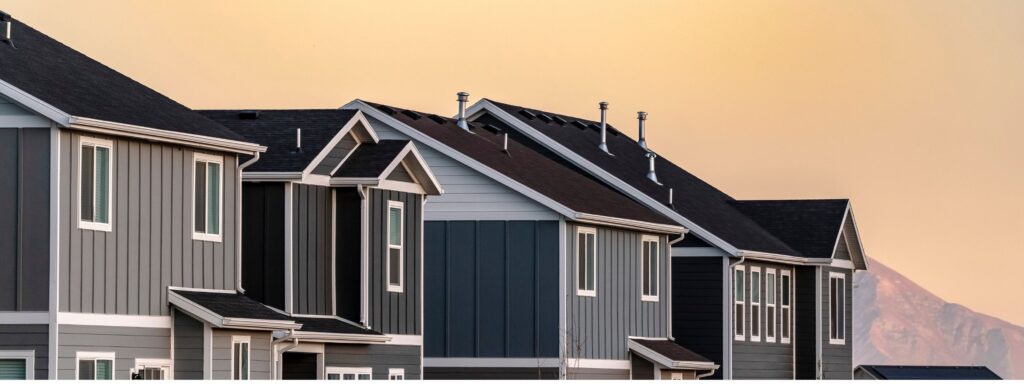
A starter home is a single-family home, townhouse, or condominium a first-time buyer can afford as their first residence.
These entry-level homes are typically small and modest, with basic amenities and two or fewer rooms. Along with the size, the house might also be in a less-than-ideal location.
The price of a starter property ranges on the lower scale of the real estate market. Because of their general affordability, starter homes are a popular choice for young, first-time home buyers. They can be brand-new, entry-level houses, older homes, or classic fixer-uppers.
A home is what you make it.
What sets the starter home apart from a forever home is that owners may outgrow it. It’s a starting point. A good-enough home for the time being. Somewhere to live while you decide on your plans and save money for your dream home.
Although some home buyers see their starters as temporary, others consider a starter house the first phase of creating their dream forever home.
The transformation can be a daunting process, depending on the initial condition of the house. But if you purchase a brand-new starter with room to expand, you can start small and branch out as your budget allows.
What’s a forever home?
A forever home is one you can imagine living in for the foreseeable future with relatively no modifications. It has all the trappings you’ve ever dreamed of—high ceilings, french doors and windows, a master bed and bath, and ample outdoor living space to plant a garden.
The location’s ideal, and you can see yourself planting permanent roots.
Forever homes are more expensive than starter homes because of the added features. They allow you to “grow into” the space as they usually surpass your basic needs.
Sizes and styles vary based on each unique vision of the perfect home. What matters is that a forever home ticks all or most of the boxes on your wish list. It’s somewhere you’d live for the rest of your life.
II | Choosing Between a Starter vs. Forever Home
Forever homes tick all the boxes (or most), while starter homes leave room for the imagination. Whether exploring this imagination makes financial sense or if you should house hunt for your dream home comes down to the pros and cons.
The Benefits and Downsides of Starter Homes
Starter homes are best suited for potential home buyers who need financial flexibility. Buyers who want to own a home on their modest monthly income can realize their dream without accumulating unmanageable debt.
You can’t overlook the drawbacks even with the financial benefits. Consider these pros and cons.
Pros
- Lower purchase price: The price tag of a starter home is the primary reason for its popularity. Mortgage payments for these homes are more realistic for the annual income of many Americans.
- Less down payment: Based on your financial situation, 3% of the cost for a starter is in closer reach than the 3% of a forever home.
- Lower property taxes: Property taxes for starter homes are lower because of the property’s value. Whatever renovations you make on your house will increase its worth and, by extension, the taxes you pay.
- Less ongoing expenses: The cost of owning a home isn’t limited to the purchase price. There are ongoing expenses as well. Upkeep can eat into your budget when you oversee a larger property. You’ll also pay less for utilities like heating and cooling.
- It’s a learning experience: Starter homes can be a dry run for homeowners. Maintaining a small space demands less commitment, but it can teach you what it takes to manage your household.
- It’s a valuable future investment: Your starter property can become a secondary source of income through renting if you decide to keep it after you move. You can also sell it to make a downpayment on your forever home.
Cons
- Less space: On the flip side of reducing costly expenses, limited space is part of the reason starter homeowners grow out of their once cozy nest. As your life situation changes, your family might grow, or you may want to do more with your home, like adding an office or an extra bedroom.
- Cost of renovations: If you’re buying an old home or a fixer-upper, budget for the repairs. The best way to do this is to pay for a home inspection. An inspection can prevent you from falling into a huge money pit because of hidden expenses for repairs.
- Reselling may be difficult: Although you see the charm and potential of your starter home, others may not. If you bought a new entry-level house, it’s easier to sell than if it was a fixer-upper or an old house, especially if it still needs repairs. Your location may also make the home unfavorable to buyers.
- Added expenses of another move: If you’re not living in your dream home, chances are you’re planning to move in the next few years. Moving to another house, whether in the same area or not, is a hassle and costs money. There’s also the new mortgage, selling or renting your current home, and all the applicable fees.
The Benefits and Downsides of Forever Homes
Forever homes are for those who plan on settling in a specific area for the long term. It offers a sense of stability most homebuyers want, especially when starting a family. They may also see “going all in” for a forever home as a wiser buying decision than a starter home.
Stability and comfort come at a price.
Pros
- Stability and comfort: If you have a steady career and a clear vision of your life course, your forever home is an extension of this security. It’s where you’ll nest for the long term, make new memories, and become a part of a community. Unless something unexpected happens, you won’t have to think about moving again.
- Growing into your space: Your dream house surpasses basic requirements. It has bells, whistles, and extra space to spread out and fill up.
- Unrestrictive remodeling: If you live in a house you plan on selling, the changes you make will affect if it sells. We all have our styles, and some fixtures or design choices may turn off potential buyers.
Cons
- Higher price tag and future expenses: You’ll have to pay more for all the features of a larger house—higher mortgage, higher property taxes, more upkeep expenses, and utilities.
- Higher Downpayment: Because forever homes are expensive, it’ll take longer to save for a down payment if required. The housing market is constantly shifting. You may miss out on the lower prices by the time you finally reach your savings goal.
- Slower ROI: Extensive remodeling is unnecessary if the house has everything. Remodelings and renovations add value to your home, growing the equity.
III | Tips for Making the Wise Choice

After reviewing the pros and cons of each option, dig deeper. Here are some questions to guide you toward the wisest buying decision.
1. How much home can I afford?
Forever homes are ideal but aren’t always feasible for potential home buyers. Let your cash flow be your guide. Remember, the cost of owning a home extends beyond the closing cost.
Being house-poor sets you up for financial pitfalls later on. Mortgage rates and property taxes fluctuate. Even in small percentages, they’ll leave a noticeable impression on your budget. Leave wiggle room for expenses that add up over time.
Get pre-approved.
Apply for a mortgage pre-approval. Pre-approval from a mortgage lender estimates the size of the loan you qualify for. Knowing this number will help narrow down your purchasing options.
A mortgage pre-approval will also give you an advantage with buyers to show that you’re serious about your offer.
2. Can you afford renovations?
If you’re starting with a classic fixer-upper, crunch the numbers. How much will it cost to renovate? How much time do you have to undertake the work yourself, and do you have the necessary know-how?
You’ll need help if you lack the DIY skills and tools required for repairs and fixes. Help costs money. We’re talking about handyman services or contractors. Sometimes you need both, depending on the scope of the project.
Even as an avid DIYer, you won’t be able to do everything. Budget for maintenance and repairs.
Always seek professional advice.
Paying for a home inspection will help you create a list of fixes. Sort them into minor fixers that can wait for later and those that need urgent care. Calculate how much it’ll cost to make the house safe and live-in ready.
Additionally, an appraisal of the property will help you determine if the return on investment (ROI) is worth the price of renovations.
3. How long do you want to live in the house?
Gain more assets.
Think long-term, no matter what kind of home you buy. The longer you occupy the house, the higher the chance you’ll benefit from rising home values in your area. It also means you’ll build more equity.
With the market and equity, your home’s price might exceed the original purchase price. That’s extra money you can tap into for loans or a cash-out refinance.
Avoid paying additional taxes.
Reselling too soon could subject you to capital gains taxes if you’ve lived there for less than two years. A capital gains tax is a tax levied on profits made from an investment or the selling of real estate.
The IRS offers exclusions of up to $250,000 of that gain from your income. If you file a joint return with your spouse, it’s $500,000. To benefit from the exemption, you must satisfy the ownership and use conditions outlined by the IRS. [Source]
4. What’s the resale and appreciation potential?
Starter home shoppers should consider the resale potential of the house they buy. After all, you don’t plan on living there forever. But you’d also like to recoup a chunk of your invested money, with possible profit.
Research the real estate trends in the area. Look at house prices and if they’re steadily increasing or losing value. New developments and businesses in the area will increase property values.
Approach house hunting as you would any other investment. Buy a home with the best chance of appreciation (gaining value) based on the work you put into fixing it up and its location.
Conclusion
Waiting until you can afford your forever home is not always realistic. Neither is it necessary. Which route you choose is a personal choice. It depends on your financial situation and the journey you want to take to homeownership.
Weigh the pros and cons and buy a house you can comfortably afford. You can build and expand on your starter home or turn it into an investment for your future forever home.