
When purchasing a vehicle, you have two options: new or used. Your budget and which option suits you best determine the final choice. Personal preferences often play a part in the decision-making along with the peace of mind going ‘new,’ for instance, provides. Or the financing options for an auto loan.
In today’s post, we’ll look at the factors already mentioned and others you should consider when selecting a new or used vehicle.
I | Is it Better to Buy a New or Used Vehicle?
There is no definitive answer right off the bat. If you prefer a new car and can find one within your budget, go for it. Suppose you’re okay with a used car as long as it is in good condition; not a problem either. Neither option is better than the other. All circumstances are different.
If you ask your friends and family for their opinion, I’m sure you’ll receive mixed reviews.

Some will point out that new cars come with that intoxicating “new car smell” and zero mileage on the odometer. They may argue buying a brand-new vehicle is safer because it’s less likely to have mechanical problems.
Their argument may sway you, but your wallet is saying something else.
Buying a new car won’t be feasible for everyone. And it’s unfair to broad stroke the matter of safety. If you purchase a certified used vehicle, you’ll get reliability at a more affordable cost. It all depends on where you buy your used car and in what condition.
Do your research, weigh the benefits and choose which suits your circumstances best.
II | Advantages of a New Car
New Car Smell
New cars have no dents or scratches, and their original parts are intact, functional, and accounted for. They give you a fresh start with zero miles clocked on the odometer and no wearing on the seat covers. Treat your car right, and you won’t have to worry about significant repairs in the first couple of years.

“Brand new” is undoubtedly one of the top advantages of going “new” versus “used.”
Untouched Warranty
Most new vehicles come with untouched limited manufacturer’s warranty coverage. This warranty typically covers your vehicle for up to three years or 36,000 miles, whichever comes first from the date of purchase.
Not all car warranties are the same. Consult your car’s manual for details on covered disasters. Extending your coverage beyond the expiration date is an option your dealer will propose. Examine the warranty and determine if it’s worth the extra cost.
Less Safety Concerns
When prospective car owners debate buying new or used, safety is a top concern. Whereas the question sticks out in their mind for a used car, a new car causes less doubt. Barring some manufacturing defect, a new vehicle is in tip-top shape and ready for the road.
Auto manufacturers continually upgrade their safety features to comply with strict safety regulations. With the advance in new technologies, purchasing the latest models guarantees enhanced features. These features include forward collision warning, automatic emergency braking, parking assistance, and blind-spot monitoring.
A majority of used vehicles won’t have these features.
Latest Technology
Safety features aren’t the only tech upgrades. Other new technologies improve gas mileage and lower emissions to protect the environment. Improved integration with your car and smart devices is another perk for those who are tech-savvy.
Hybrid cars can reduce your monthly transportation bill. Their twin-powered engine (gasoline engine and electric motor) cuts fuel consumption and conserves energy. Credits and incentives, specifically for hybrid vehicles, help to make them affordable.
Low-Interest Rate
Interest rates and APRs (Annual Percentage Rate) are generally lower for new cars than those purchased secondhand. However, when you do the math, the lower rate still adds up over an extended financing period.
Automakers offer incentives to lure buyers with zero or low APRs on specific models of vehicles. Though these rates are typically negotiable, your credit history may influence how good a deal you can get. Cash rebates are another common incentive from automakers.
III | Disadvantages of a New Car
Retail vs. Wholesale Price
New cars are more expensive and depreciate at a higher rate. According to the NHTSA (National Highway Traffic Safety Administration), as of August 2019, the average price of a new passenger vehicle was about $37,000.

Your new car loses the most value in the first few years of ownership, with a chunk of the loss happening the second you drive it off the lot.
When you purchase a new car, you pay the retail price. That’s the marked-up tag set by the dealer for a new vehicle. Once you exit the gates of the dealership, you drive into a new ‘wholesale’ price bracket. Dealers will pay the wholesale price if you decide to sell the car back.
Higher Auto Insurance Rate
Even after your car depreciates thousands of dollars after you leave the lot, your insurance company won’t likely consider this. Your monthly payments will be higher than in the case of insuring a used car as the price of replacement and repair are higher.
Considering most loan agencies require you have full car insurance coverage, your options in saving on insurance are low.
IV | Advantages of a Used Car
It’s Cheaper
Used vehicles are more affordable because of depreciation. The minute you drive a new car out of the lot, it loses thousands of dollars in value. Buying used means leaving the first significant loss to the previous owner. You can purchase an “almost new” used car at a massive discount.
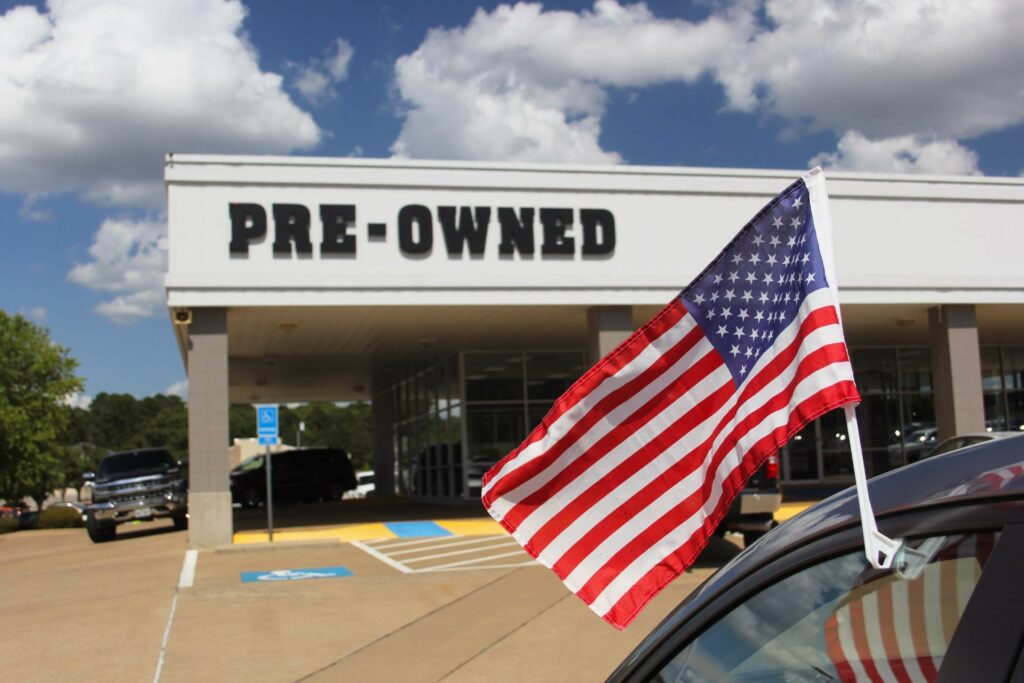
Buying a new car doesn’t make financial sense for everyone. And buying cheap in no way negates the reliability of a vehicle. It all depends on the performance and condition of the car, not the price or the “new” vs. “used” label.
Certified Pre-owned (CPO) Program
Purchasing a Certified Pre-Owned car guarantees that it’s been thoroughly vetted and deemed safe. Certified Pre-Owned vehicles are inspected, repaired, and approved by the manufacturer or another certifying authority.
Extended warranties, special financing, and other benefits are available for certified pre-owned vehicles.
Lower Insurance Rates
You’re in for double savings because used car insurance premiums are typically lower. Narrow your vehicle selections to the top three, consulting sites like Consumer Reports, and request an insurance quote for each. These are free and can help you in making the final decision.
Slower Rate of Depreciation
Since most of a vehicle’s depreciation occurs in the first year of ownership, expect a slower average depreciation rate after this time window. You can, in theory, re-sell it at the same price you bought it or a little bit above to earn some profits.
V | Disadvantages of a Used Car
Dings and Dents
Expect a few scratches and dings. The longer you have your car, the higher the chances of minor and major collisions. Some may be your fault or a product of someone else’s impaired driving.
Potential repair issues make buying used cars an unattractive option.
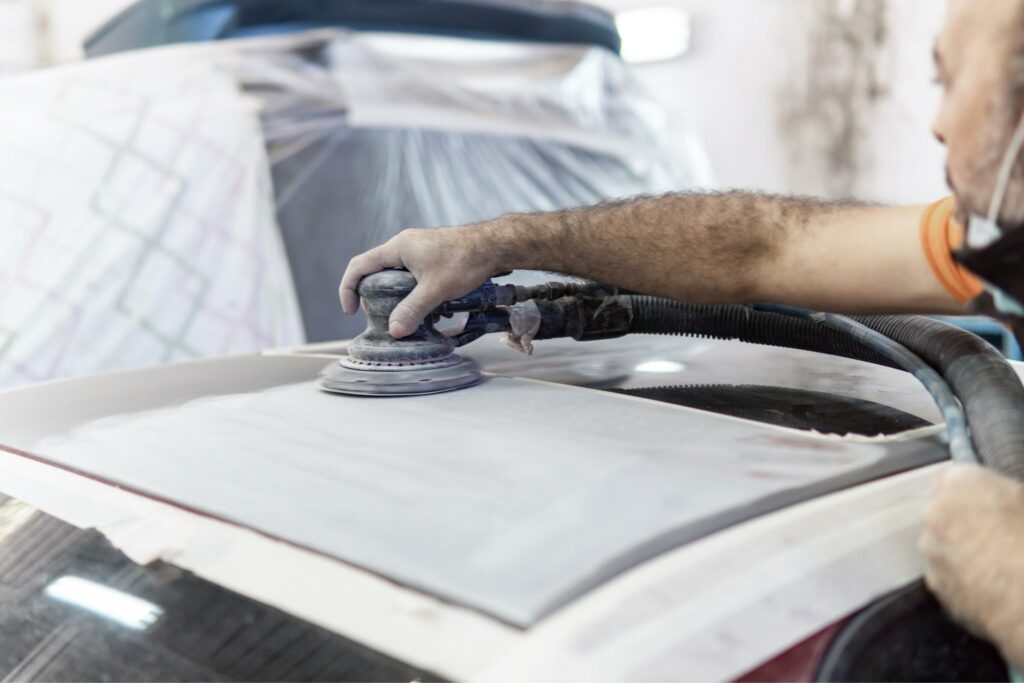
If the maintenance costs for repairing and caring for the vehicle add up to the average price of a car in better condition, it’s an unwise spend.
Limited Warranted Coverage
Used cars will retain whatever coverage remains at the time of purchase.
If you purchase a vehicle with 28,000 miles on the warranty within three years, you stay covered until you reach the limit. You can, however, buy service plans for extended warranty coverage.
Vehicle History
New cars have a clean slate. Used cars have a vehicle history behind them. Obtain a vehicle history report whether you are buying from a dealership or a private seller.
A vehicle history report details traffic violations, accidents, vehicular crimes, and unpaid parking tickets, among other important information necessary in choosing the best and safest option.
Conclusion
A car is a significant investment for many Americans, second to buying a home. Weigh the pros and cons and keep the above factors in mind.
- Let your budget guide you and calculate the overall cost of owning the vehicle you choose beyond the initial purchase price. Saving a bit of money upfront for a car with a high repair bill is not a wise financial decision.
- The stigma of buying used cars has significantly diminished. With a certified pre-owned vehicle, you may not get the ‘new car smell,’ but you can rest assured it won’t require any significant repairs.
Settling in the middle will save you money and limit your safety concerns. Purchasing an “almost new” car can give you the reliability of a new vehicle with the affordability of a used one. For added advice on the reliability of a car, check out Consumer Reports for recommendations and get a vehicle inspection before buying the vehicle.