Repairing your vehicle after an accident can be a hassle. Knowing what to expect from the insurance claims process and restoration options can get you back on the road faster.
Here’s a quick guide to filing for an auto claim and the repair options available.
1 | Who Pays for Repairs After an Accident?
The first question car owners ask is—who pays for the damage?
Generally speaking, the at-fault party is liable for the cost of vehicle repairs in an accident. Whether it be minor scratches and dents, replacing parts, significant bodywork, or paying for a “total loss” if the vehicle is beyond repair.
Who ends up paying, however, doesn’t always follow this logic. If you have an accident with an uninsured or underinsured driver, you may face the brunt of the out-of-pocket expenses, even if you’re not at fault.
Let’s look at some of the payment options.
1. Third-Party Liability Coverage
In most states, drivers require minimum auto insurance liability coverage. After an accident, the at-fault driver’s policy should cover the other party’s losses up to the insurance coverage limits.
Basic auto insurance coverages don’t offer much protection. Based on the cost of repairs or replacement, the policy might leave a significant portion of the expenses uncovered.
You have the right to claim directly with the at-fault driver’s insurance provider if the other driver has insurance. And if you carry no fault in the accident.
If another driver hits your parked vehicle, you can claim against their liability policy.
2. Your Collision Coverage
Third-party compensation may not be sufficient or an option. If you have coverage for collision damage, you’re in luck.
Collision coverage is a form of “no-fault” insurance. It doesn’t matter who caused the accident. If you have this insurance coverage, it will pay for the necessary restorations or replace your vehicle for its actual cash value. As with all insurance, policy limits apply. You’ll also have to cover the policy’s deductible before your insurer pays the rest.
After paying out the claim, your insurance company might seek reimbursement from the at-fault driver’s insurance provider. If this happens, you might receive a refund of your collision deductible from the compensation.
3. Your Comprehensive Coverage
Motor vehicle collisions aren’t the only kind of accident. Comprehensive coverage protects your vehicle from damages caused by the weather, falling tree branches, fires, vandalism, theft, collision with inanimate objects like a guardrail or light post, and accidents involving animals.
4. Out-of-Pocket Payments
Paying some amount of out-of-pocket fees might be unavoidable. For one, all insurance policies have deductibles. So if you file a claim with your provider, you’re responsible for cashing out the deductible before your policy kicks in.
Should the other driver’s insurance not be enough to compensate you for damages, you may have to find the remainder of the money.
If the fault is on you, paying out of pocket for your vehicle or the third-party repair bills might be more appealing than filing a claim. Each claim you file leaves a mark on your record. Expect an increase in insurance rates, especially if you caused the accident.
The other driver might also choose direct compensation.
Out-of-pocket payments work for minor auto accidents. If the car requires expensive repairs, is totaled, or if there are medical costs involved, you can’t avoid filing a claim.
2 | Should I Immediately File an Auto Insurance Claim?
Before involving your insurance company, consider your options.
Every time you file a claim, it increases your auto insurance premium. The penalty might be worse if the insurance adjuster’s investigation finds you at fault.
Document the Accident
Gather all the evidence you need to verify your claim. Take pictures and videos, and get the information of the other driver or drivers involved. If there are any eyewitnesses, ask for their information as well.
Review Your Auto Policy Limits
Check your policy for instructions on how to undertake the claim process. Note the deadline for filing and the required paperwork. Whatever the time frame, you’ll know how long you have to decide whether to file a claim.
Evaluate the extent of the damage to the vehicles involved. Whether you’re at fault or not. Get a quote for vehicle repairs from your mechanic or auto body shop. You can also include your mechanic’s estimate with your claims documents if you file for a claim.
Consider if paying out of pocket will work best based on your estimate. Use your deductible as a marker. If it covers the damages, it’s better not to put a claim on your record.
Your claim record will follow you even if you switch companies.
3 | Insurance Inspections and Estimates
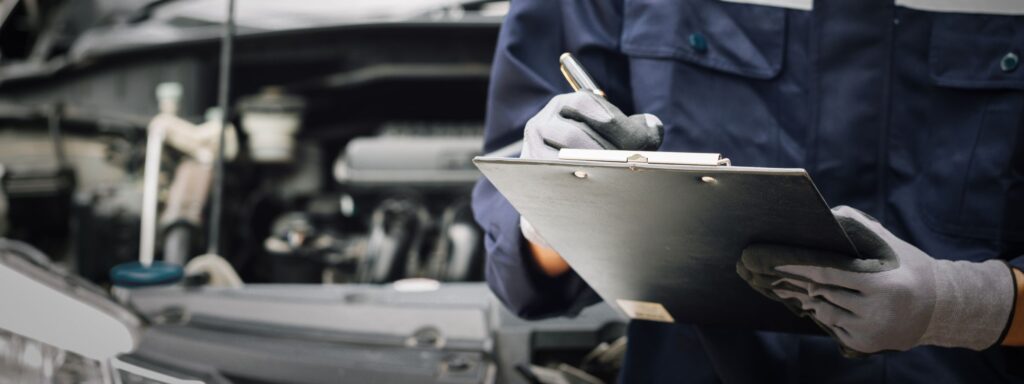
Once you involve your insurance company, the first thing they’ll do is inspect the damage. The initial inspection verifies the extent of the damage, determines the at-fault party, and ends with an estimate for repair.
The estimate you receive from your insurance carrier isn’t set. You can negotiate a higher payout if you believe it’s a lowball offer. Ask the claims adjuster if your policy payout factors the original equipment manufacturer (OEM) parts cost. Not all insurers write their policy to reflect OEM parts as they are more expensive.
If you didn’t include a third-party quote with your claim documents, get one. Take the quote you received from your insurer and compare it with your mechanic’s estimate.
With this information, you can also decide which route to take for repairs. You can either work with your insurer’s direct repair program or continue with your mechanic.
4 | Repair Cost and the Actual Market Value of Your Vehicle
How much you receive in a payout also hinges on your policy’s claims payout.
- Actual Cash Value (ACV) compensates you for the vehicle’s cash value minus depreciation in today’s market.
- Replacement Cash Value (RCV) reimburses you the cash value of a vehicle similar to your damaged vehicle without calculating depreciation.
Your insurance company will only pay for damages up to the value of your vehicle, after or without depreciation. So if, after receiving several repair estimates, the cost of repairs is higher than the car’s value, the insurer may declare it a loss.
If your vehicle is not worth repairing, the insurer will pay you off and claim it.
5 | Repair Options After an Accident
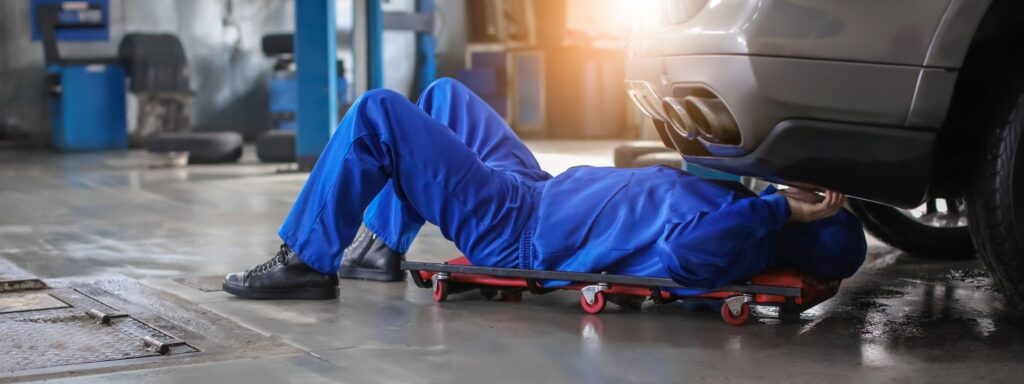
You have two options for repairing your vehicle. You can either use your insurer’s direct repair program or handle the restorations independently.
Direct Repair Programs
Direct Repair Programs or DRPs is a network of preapproved auto repair shops and dealerships curated by an auto insurance company. Many insurance companies use these programs as part of their quality control initiatives.
By vetting an auto repair shop ahead of time, insurers know policyholders who choose DPR will receive high-rated service at a fair market price. It also protects their investment in providing you with coverage for your vehicle.
You’re not obligated to work with any of these recommended collision repair shops. You can choose an independent repair facility. There are, however, advantages to using DPR for automotive repairs.
Advantages of using DPR
1. Quality Standards
To protect their investments, insurance companies recommended trusted repair shops. These vendors meet specific benchmarks set by the company for quality control.
2. Extended Warranty
Repair warranties usually last for one to two years. You can receive a warranty with DPR repair shops for as long as you own the vehicle. This warranty is valid with any shop listed in the network nationwide, not only the body shop you used for initial repairs.
3. Streamlined & Expedited Process
Insurers usually establish a streamlined process between them and direct repair network shops. This process includes the receipt of payment. They’ll handle most of the paperwork and money matters with the direct repair shop working on your vehicle.
With prioritized repair, you can have your car back on the road in the shortest time possible.
4. One-stop Locations
There are one-stop locations within the DPR network. Instead of using a drive-through inspection station before visiting a direct repair shop, these locations offer everything in one place.
They’ll conduct the damage inspection, calculate an insurance estimate for repair costs, collect your car for repairs, and assign your temporary replacement vehicle.
Independent Repairs
If you decide to work with a mechanic or body shop of your choosing, you’ll have to do all the research and negotiate prices yourself.
1. Get recommendations.
Ask your friends and family for recommendations for a reputable mechanic who can provide quality services. Quality is essential when repairing your vehicle. It reduces the chance of additional damage caused by cheap or improperly installed parts.
Read online customer reviews for repair shops in your area. Work with shops that carry industry certificates from auto organizations like the Inter-Industry Conference on Auto Collision Repair (I-CAR), National Institute for Automotive Service Excellence (ASE), and the Automotive Service Association (ASA).
These certificates verify that the shop technician meets or exceeds the standards for top-grade repair work.
2. Ask for estimates.
Shop around for competitive repair estimates. When asking for quotes, decide whether you want to use aftermarket or OEM parts. OEM parts are more expensive, and the payout you receive from your insurer might not be enough to cover them.
Your mechanic might suggest installing used OEM parts to reduce the cost.
6 | Do I Need to Repair My Vehicle after an Insurance Claim?

Liens and Loans
Once you have a lien on the vehicle or repaying a loan, deciding whether to use the insurance monies for repairs isn’t up to you. Nor can you hide filing for a claim since the lender is the main loss payee. Where you carry out repairs may not be your decision either.
Lenders prefer preapproved repair shops. They want a guarantee for the completion and quality of the job. Weeding out possible dishonest auto body shops beforehand gives them peace of mind.
As long as you owe car payments, you’re a partial owner. You’re responsible for keeping the vehicle in working order and repairing damages immediately.
If you own your car, you have fewer restrictions to consider.
Rights as the Sole Owner
In some cases, if there are no outside restrictions, you can choose not to repair the damages. If the damage is purely cosmetic and you require the extra cash for something else, pocketing the payout might be tempting.
Check with your insurance adjuster first. Verifying if you can use the insurance check for something else will prevent you from committing fraud.
If you choose to make repairs later, speak with your insurance agent. Once the work’s complete, you can restore physical damage coverage on your vehicle.
7 | Car Rental Coverage

Fixing a car after a collision takes about two weeks, depending on the extent of the damage. Public transportation might not be your best option during that time if you have a busy commute. Where you live will also determine the convenience of public transport.
Check what your auto insurance policy says about car rentals in the event of an accident. If you’re not at fault for the accident, speak with the insurance adjuster about your rental options. The adjuster will advise you if the third party’s claim covers loss of use and the daily or total coverage limit.
Conclusion
How fast or if you can repair your vehicle depends on many external factors, from third-party drivers to your insurance company. Cover your basis by following the above steps and those written in your insurance policy.
Weigh the pros and cons of direct repair versus carrying it out independently. Choose the one that saves you time and money and gets you back on the road as fast as possible.