Insurance is a burning concern (pardon the pun) amidst the growing threat of wildfires. According to the Congressional Research Service, every year since 2000, an average of 71,300 wildfires burned over 6.9 million acres.
More wildfires occur in the U.S.’s eastern parts, but the West sees larger fires that cause more significant damage. In 2019, over 29,600 wildfires in the East destroyed 0.6 million acres. Compare this with the nearly 21,000 wildfires and 4.1 million acres of damage recorded in the West.
As documented in the CRS Wildfire Statistics report and others, these statistics map a trend that insurers factor into drafting their policies.
Let’s take a look at how wildfires affect your auto insurance.
I | Does Auto Insurance Cover Wildfire Damage?
Auto insurance covers wildfire damage only if you have comprehensive insurance. Comprehensive insurance covers damages caused by accidents outside of a collision.
- Theft
- Vandalism
- Fire
- Natural disasters (like a hurricane, earthquakes, floods, tornados, hail, lightning, or volcanic eruptions)
- Falling objects (like trees, branches, ice, or other projectiles)
- Animal-related crashes (e.g., collision with a deer)
- A civil disturbance (e.g., a riot that results in damage or destruction of your car)
- Garage collapse
It’s an optional coverage you can purchase with your collision insurance if you own your vehicle. Otherwise, financing companies will require it before approving you for an auto loan.
Recheck your policy’s coverage benefits with your insurance broker or agent if you reside in an area where wildfires are a problem. If you’re a new car owner shopping for insurance, compare the limits of comprehensive policies across companies. There may be some company-specific features or bonuses. Choose the one with the best protection.
Comprehensive coverage is all about the timing.
Timing is essential when buying insurance. You must purchase comprehensive insurance before a disaster for two reasons.
- Payouts are only valid for incidents that occur after the policy is implemented. If you try to buy auto insurance to repair an already damaged vehicle, it won’t work.
- Likewise, if you have collision coverage and decide to add comprehensive insurance when you realize you may be in immediate danger, this won’t work either. Insurers keep an eye on what’s happening in their coverage areas. If there is an impending disaster, they can implement binding restrictions. These restrictions prevent you and other customers from changing existing policies, like adding fire protection.
II | How Much Does Fire Insurance Cost?
The cost of car insurance varies. It’s not a one size fits all deal as insurers consider different factors when deciding your premium.
Factors include:
- Age;
- Gender;
- Credit score;
- Where you live (if you live in a high-risk area);
- Type, make, and model of the vehicle;
- Driving history;
- Type of coverage you choose, among others.
According to a U.S. News study, the average annual cost of car insurance in the United States in 2020 is $1,416.
California showed an average of $1792.67, making it one of the map’s highest average costs. Some of the other more expensive states, according to the study, include:
- Maryland: $1512.31
- Nevada: $1543.91
- Texas: $1656.54
- New Jersey: $1662.65
- Kentucky: $1732
- New York: $1861.16
- Florida: $1904.74
- Louisiana: $2191.74
- Michigan: $2684.73
Specific requirements for the type and amount of car insurance coverage differ state by state. These government limits set the starting point for your insurance cost.
You can opt for the barebones, state-required liability car insurance to be on the right side of the law. Minimum car insurance, however, doesn’t offer sufficient coverage.
If you were to meet in an accident or lose your vehicle in a wildfire, your out-of-pocket expenses might be more than you can handle.
III | Wildfire Claims and Your Premium
Like with all claims, whether it’s for your home or car, your insurance rate will increase. The increase will be less than if you were in a collision or filed a liability claim.
Insurers typically label Collision or Liability claims as at-fault accidents. Comprehensive insurance covers non-accident-related claims. These incidents fall under acts of God, nature, or general bad luck over which you have no control.
External factors may also lead to an increase in your premium. If you live in a wildfire-prone area, other vehicle owners’ claims may lead to insurance providers doing a rate revision. Rate revisions are standard as insurers take stock of their losses annually.
Wildfires can lead to significant damage. If enough drivers filed fire-related claims, leading to a hefty claims payout, insurance companies might increase premiums to recover losses.
IV | What to Do After Fire Damage Occurs
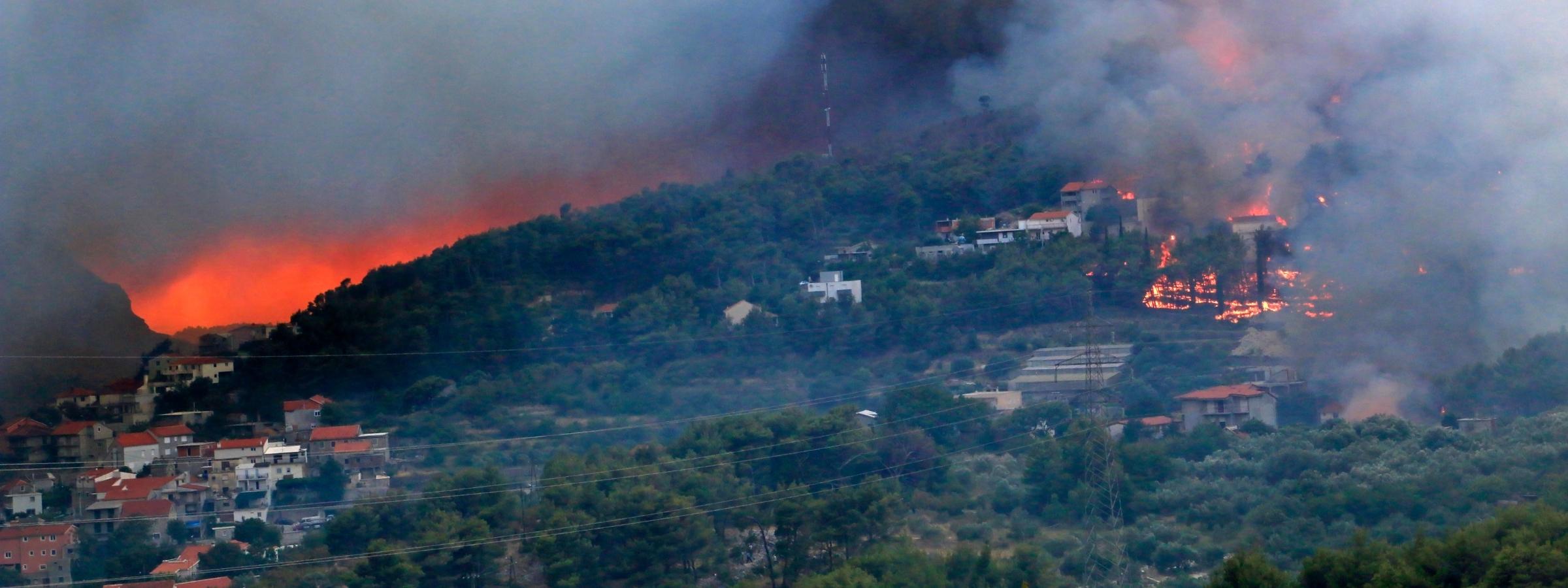
If fire damages your vehicle, report the incident immediately. And this goes for whether or not you have comprehensive car insurance. Depending on your insurer, you can start the process by calling your insurance agent or the company’s toll-free claims number.
To make the process of reporting and filing a claim smoother, be prepared with all the necessary information.
- Write a clear description of the damaged vehicle with details about the mileage, upgrades, and any recent repairs you may have done.
- Document the damage with photographs and videos.
- Note any injuries arising from the vehicle fire, any other damaged vehicles, or affected third parties.
- Include a list of personal items damaged or destroyed by the fire.
- Contact information for the emergency service that responded to the fire. Ask if you can obtain a copy of the fire report or have it sent to your insurer. The insurance company will investigate the matter before approving any claims.
- When meeting with the insurance adjuster, bring your Certificate of Title, service records, and other receipts for upgrades and other customizations done on the damaged vehicle.
Be thorough with your documentation. As requirements vary across companies, call to verify all the necessary information. Your insurance carrier may ask you to complete a questionnaire about the incident.
Learn about the claims process and go in informed and prepared.
If you drive a financed or leased vehicle, report the matter to the relevant companies. The claims process will move faster if they contact the insurance company directly.
Conclusion
Fire-related damages can be devastating. Having no insurance or being underinsured doubles the problem.
Full coverage provides assurance and peace of mind that you don’t have to start from square one in the event of a disaster. Comprehensive Auto Insurance can alleviate your anxieties if you live in a fire-prone area. And it’s worth the premium as it protects you from vandalism, thefts, and other natural disasters.