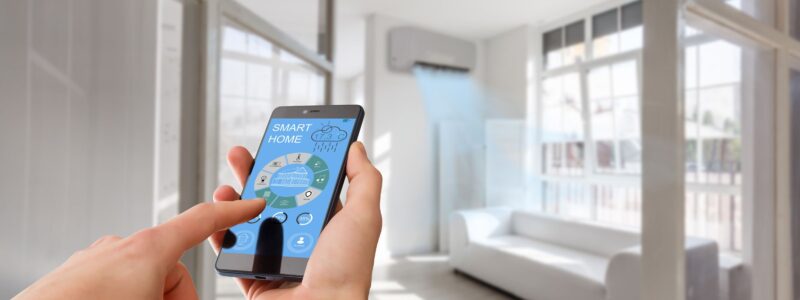
Winter’s coming. And it doesn’t matter if you’re a fan or not; it’s time to prepare. Carrying out some essential home maintenance or repair, inside and outside your home, can save you money when the spring thaw arrives.
Winter in the Northern Hemisphere begins on December 21. Early planning is the best way to protect yourself and your loved ones.
I | The Drawbacks of the Winter Season
In the United States, flu season spans the fall and winter months. Although Americans suffer from the influenza virus year-round, cases increase between December and February when the season peaks. The number of infected varies from season to season, but the trend of the peak months remains the same.
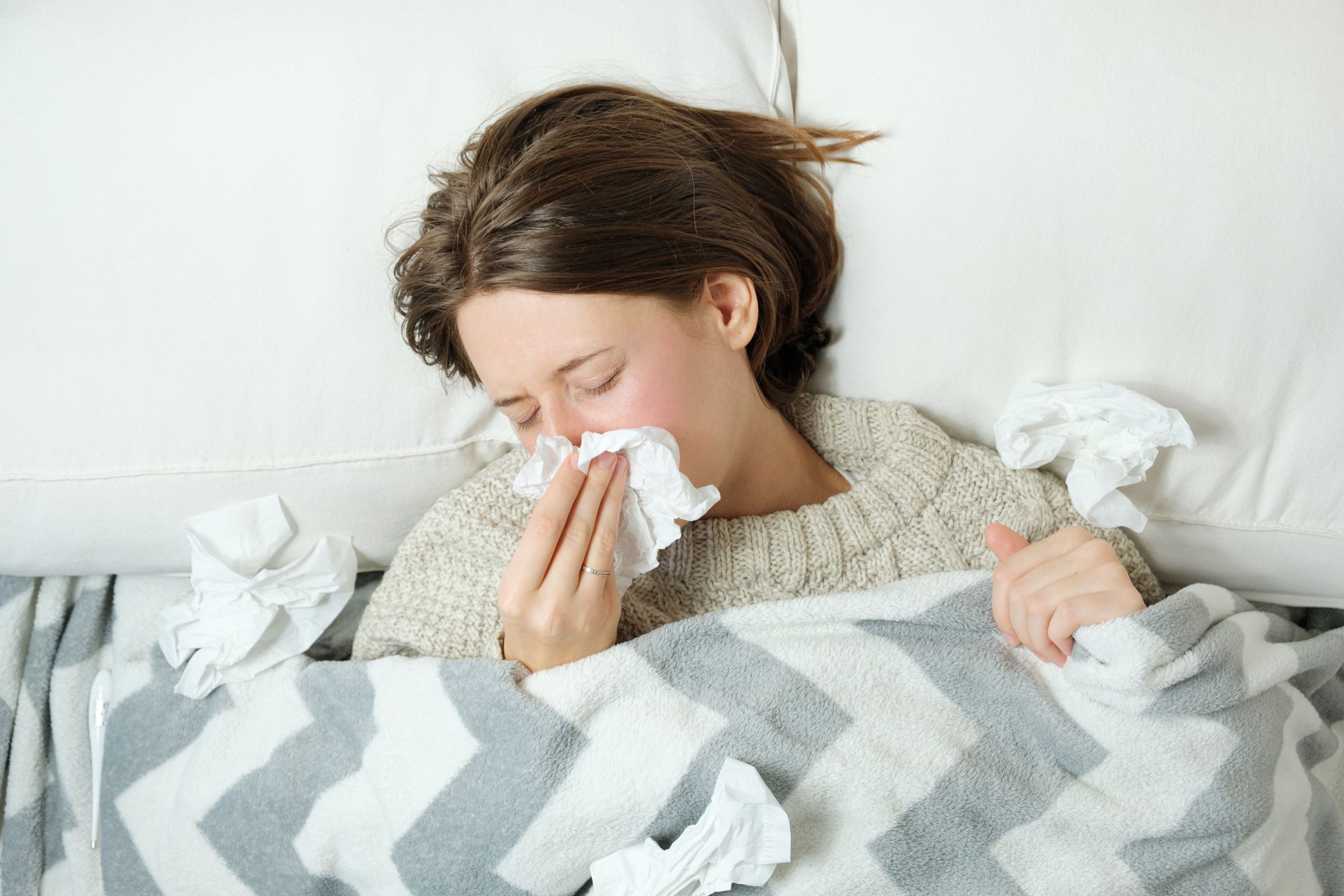
Between the sub-zero temps and the flu, winter is deadlier than summer in the U.S.
Start winterizing your home early and reduce the prep-stress as winter approaches. Here are some tips on staying safe and healthy this winter.
To learn how you can protect yourself and your family this flu season, check out the CDC website for more information.
II | How to Stay Safe and Healthy in Winter
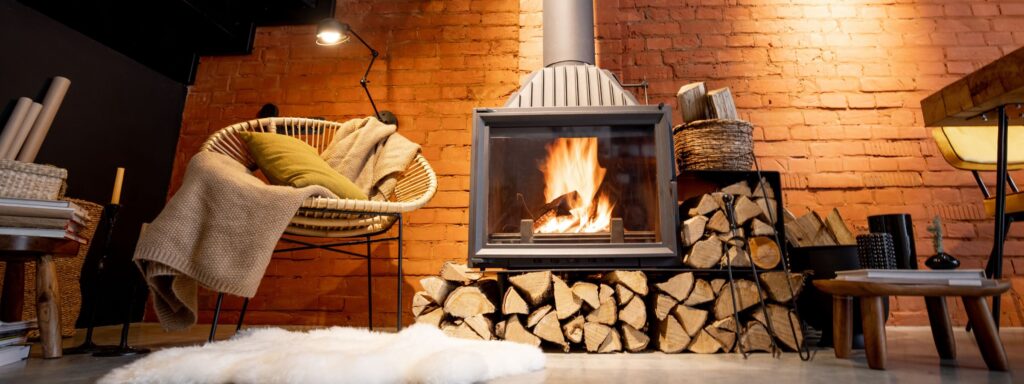
Start by inspecting your home.
Before diving into your winter prep, evaluate the current state of your home. Knowing what you’re working with will help you decide if you can carry out the repairs and maintenance yourself.
1. Inspect your fireplace, chimney, and flue.
If you have a wood-burning fireplace, make sure it is up to code. Poorly maintained chimneys are also prime sources of cold air leaks and fire hazards.
- Clear out obstructions caused by debris and creosote buildup. During the warm season, birds, squirrels, and other small animals build nests inside chimneys, and these, along with creosote, are fire hazards.
- Check the ventilation. You can test this by lighting a paper roll inside the chimney. Do not burn papers in your fireplace otherwise. If the smoke does not flow upwards, something is blocking the chimney‘s upward draft. You should only use fireplaces and other combustion heaters with proper ventilation.
Note: Check the vent pipes in other house sections, like the bathroom and the kitchen.
- Check for cracks and lost masonry. These gaps can cause a fire to spread into the stud wall behind the firebricks of the chimney.
- Check your fireplace damper. Ensure you can lock it in an opened or closed position. The dampers limit or allow outside air to enter and smoke from a fire to exit your home.
Chimney cleaning is not the most pleasant DIY job on this list. Book a chimney sweep at least once a year with a professional chimney sweeper.
2. Inspect your roof for leaks and other damages.
Up from the chimney, we’re moving up to the roof.
- Check for loose, missing, and damaged shingles. Replace or reinstall, as these can cause leaks from melting snow. If you decide against hiring a professional contractor, be safe. Wear well-fastened shoes with non-skid soles.
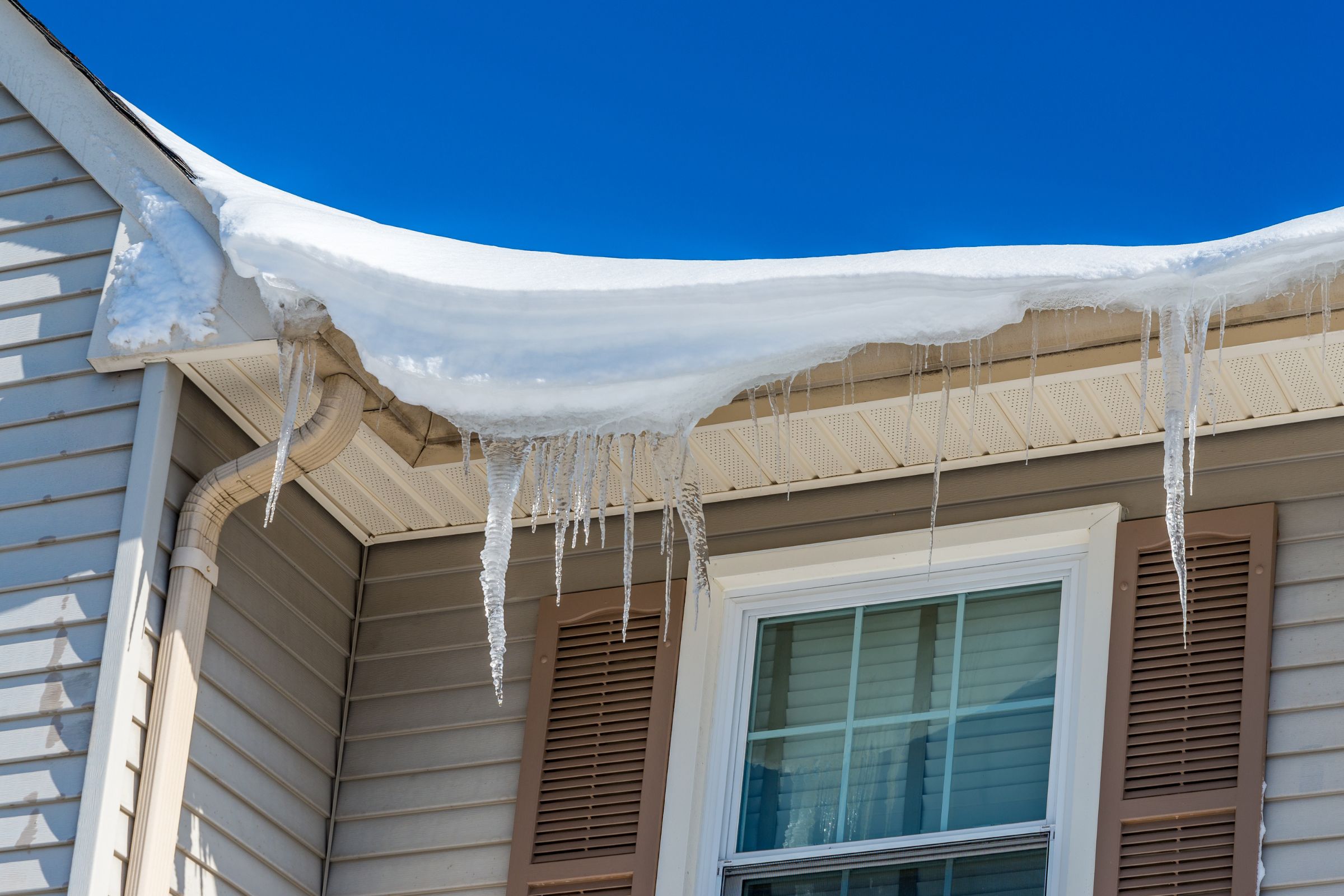
- Check the condition of your gutters and downspout. Clean them of debris buildup and repair damages. Frozen dead leaves add weight and increase the risk of clogged rain gutters tearing away from the house. And speaking of detached gutters, check that your gutter and downspout bolts are secured.
3. Check your heating system.
The third big inspection is your heating system.
How you tackle maintenance depends on the type of system in your home. Reference the manual or call a professional for more details and specific advice on how to proceed.
- Run a test of your heating system. It’s the first step in checking if your heating system is fully operational. Do you hear funny noises in your furnace, like scraping, thumping, or humming? Anything that sounds out of the ordinary?
These sounds may indicate loose, broken, or unbalanced parts. Tackling furnace repairs is tricky. If done wrong, you could damage the entire unit. Leave big fixes to the professionals and handle the smaller ones yourself.
- Replace the air filter in your system. Installing new filters improves the efficiency of your heating system. Sometimes, it can even eliminate unwanted sounds by enhancing the airflow. Breathing cleaner air is always a plus, especially while locked up in your home.
Each furnace comes with its filter requirements. Check your manufacturer’s manual before proceeding with any changes. If possible, buy more than one filter. Experts recommend monthly filter changes, so it’s more convenient having replacements on hand during the winter months.
Here are some additional guidelines.
- While changing the filter, inspect and clean the vents in your heating system. Debris and other obstructions hamper proper airflow and create fire hazards.
- If you have a propane or oil furnace, inspect the lines for leaks or loose connections. Clean and refuel once all pipes pass the safety test.
- Inspect your home for carbon monoxide leaks. Often the signs aren’t clear for this silent killer, so you’ll have to purchase a CO detector. These detectors are inexpensive and come in a variety of options.
Maintaining your heating system is essential to your and your family’s safety. Home heating equipment is the leading cause of home fires in America during December, January, and February. (Source)
4. Check your insulation.
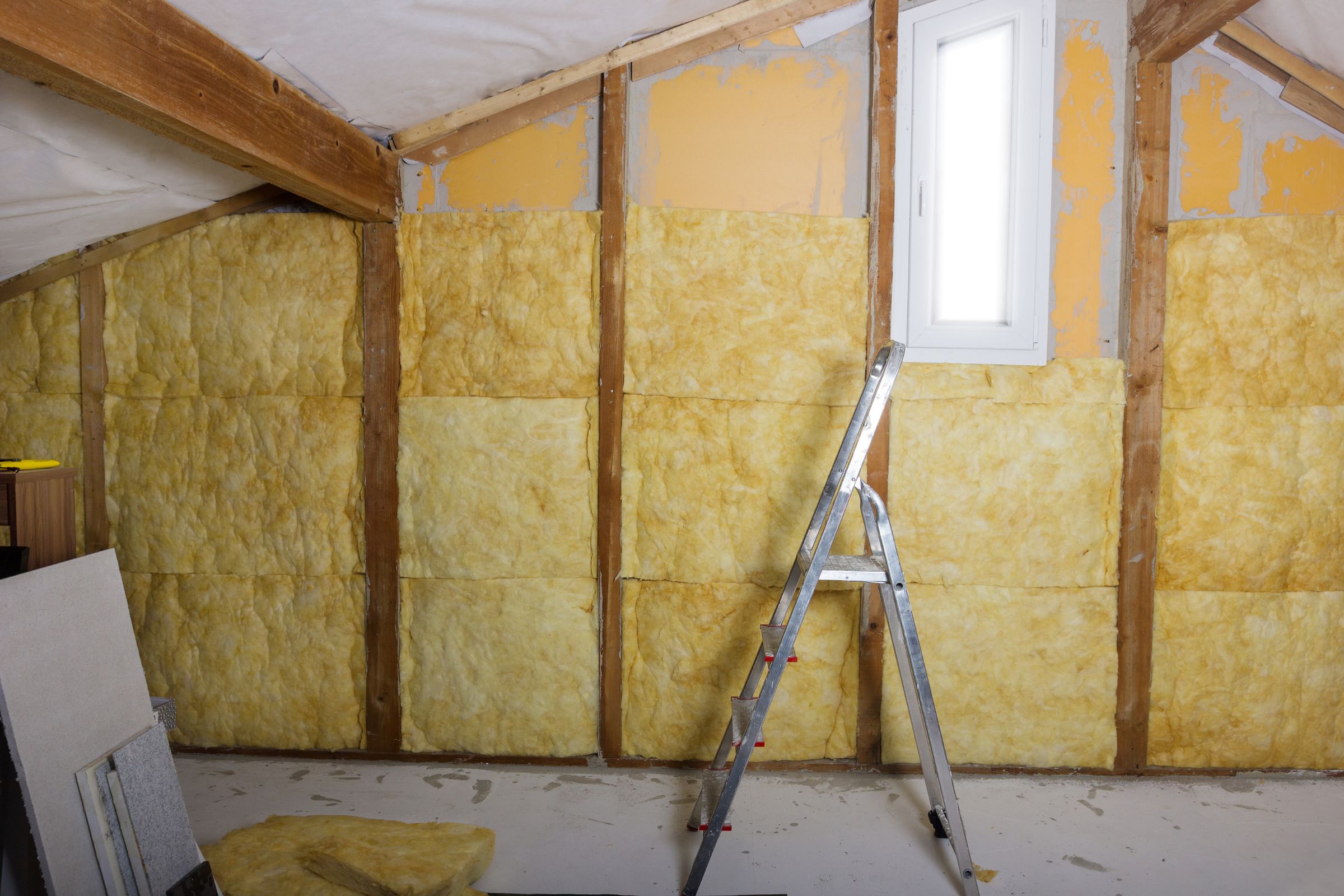
Faulty insulations can lead to cold air leaking into your house. And the more the air leaks, the harder your heating system will work to keep you warm. And the more your heating system works, the higher your bill. I think you get the gist.
Damaged insulation will undo all your work to winterize your home by hiking up your utility bill.
Inadequate insulation can also lead to ice dams. Ice dams form a ridge of ice at the edge of your roof. This ridge prevents water produced from melting ice from draining off the roof. The backlog of water can leak into your home and cause severe damage to your ceiling, walls, insulation, and other area exposed to water damage.
Insulate cold water pipes as well.
5. Examine the seals on your doors and windows.
Loose or nonexistent caulking poses another slow leak problem. Slow leaks around your doors and windows contribute to high heating bills. Weatherstripping reduces these leaks.
- Check around the moldings and frames of your windows and doors for missing or damaged caulking. Reseal the gaps with a good-quality exterior caulk. If you have older windows with traditional glaze putty holding the glass panes into the frame, reglaze as required.
- Check the locking mechanisms on your doors and windows to ensure they work properly.
- Inspect the joining sections of your windows for air leaks. The hinges, slide tracks, and edge where two panels meet are sources of leaks. You can do this by lighting incense and seeing if a draft drags the smoke toward the window or if the smoke continues vertically.
6 | Examine your sprinkler system.
With temperatures dropping, it’s time to rest your sprinkler system for the winter. But before doing so, winterize your system to protect it from ice buildup. Ice buildup can burst your sprinkler pipes and lead to costly repairs of valves and fittings.
Shut off the water supply, drain the pipes, and blow them free of water. The leftover water can freeze, expand, and burst plastic water lines.
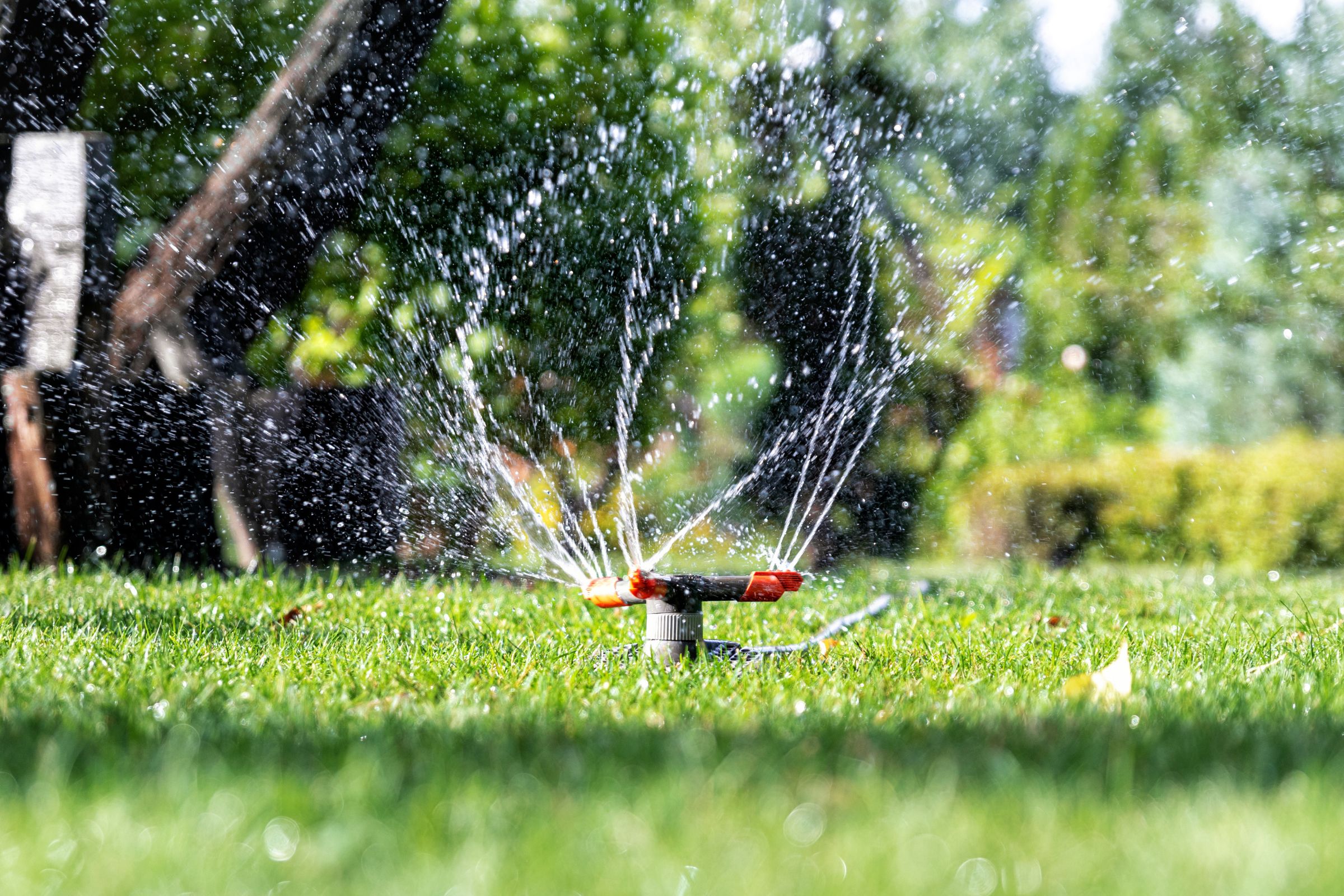
If you’re having problems clearing your pipes of water particles, it’s not a problem. Your irrigation service provider can handle the task for you.
7. Prepare the landscape and hardscape for winter.
Trim dead and overhanging tree branches. Ice and snow pile up can cause limbs to break, and falling limbs will damage your roof, depending on the weight. Imagine finding a contractor to repair your roof when temperatures hit the single digits.
Prevention is always better (read this as cheaper) than the cure.
Drain your water fountain and unplug the pump. For more extensive water features like pools, hire-out all necessary winterizing procedures. Otherwise, follow the manufacturer’s manual and conduct the maintenance yourself.
8. Storing away outdoor accessories.
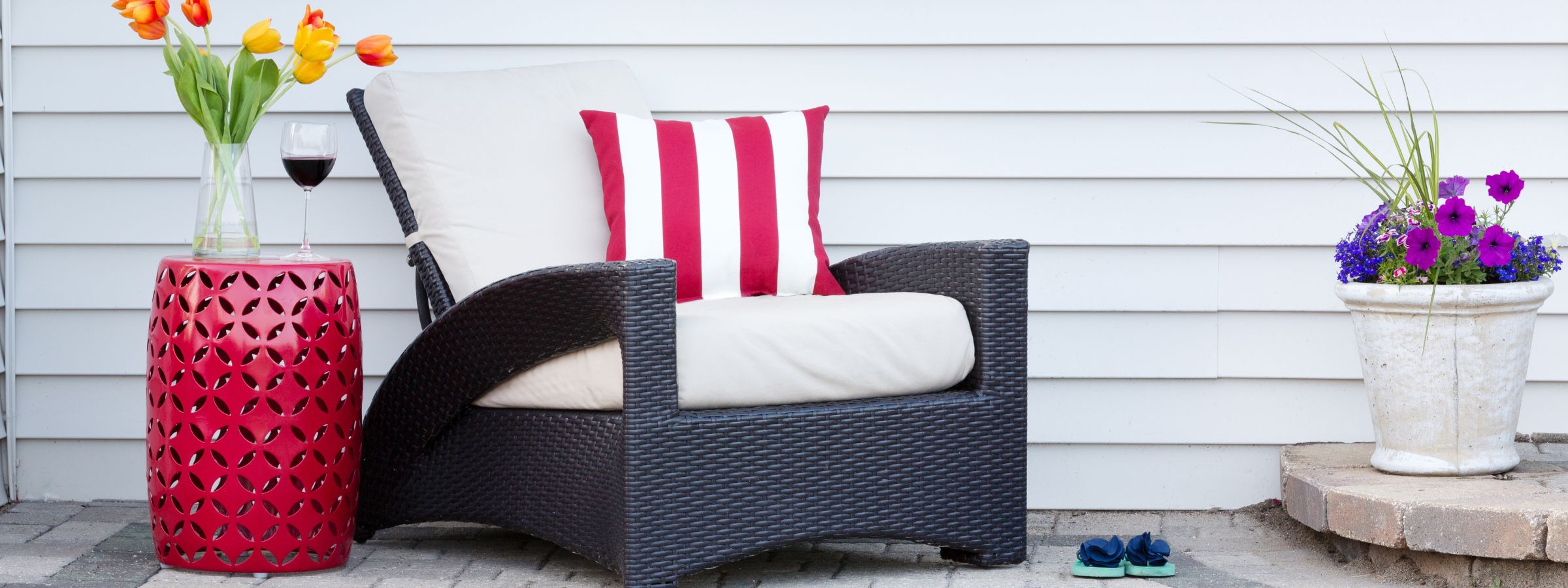
Do you have any outdoor decorations like gnomes, bird feeders, and patio furniture? Where are you going to pack them when it snows?
- Use a waterproof covering if you have nowhere indoors to store your patio furniture.
- Seal or stain your wooden deck for added winter damage protection. If you have any concrete or brick pavers, clean and seal them. Patch all cracks and damages as winter frost can worsen the problem.
- Before putting up your lawnmower in a dry and safe place, drain out the gas.
Look around your yard and make sure you’re not leaving anything behind.
III | Health Tips for Winter
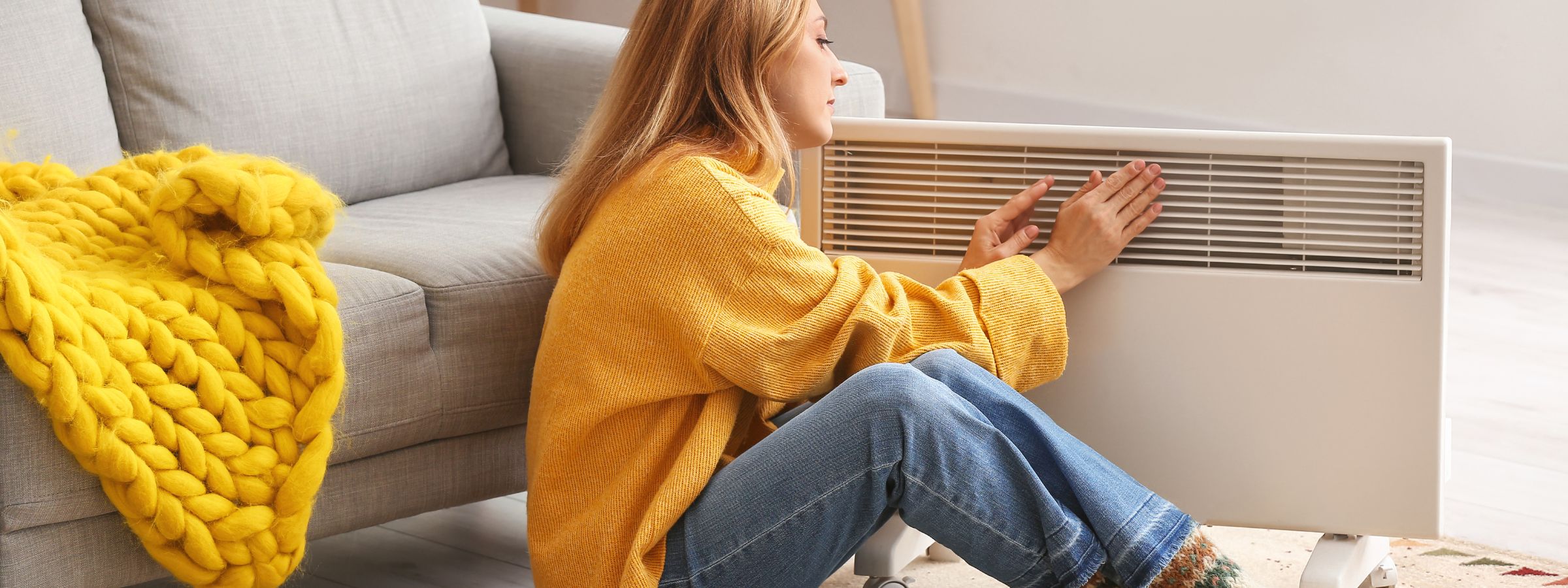
9. Dress warmly and stay dry.
Cold weather slows down your immune system. This slowdown makes you more susceptible to head colds and the influenza virus. The winter months of December to February see the highest reported flu cases. Bungle up when you go outside.
10. Watch what you eat.
Winter heightens our cravings for carbs and comfort food. Our bodies want the rush of serotonin eating these feel-good treats provide. It makes our brains think we’re happier, and the cravings intensify as the season progresses.
Satisfy your serotonin cravings with healthier options than carbs and refined treats. Go for meals high in protein to boost your energy levels. If you must indulge, do so in moderation.
IV | Make a Winterizing Plan
Do you have the DIY IQ to complete most or all of the above repairs and maintenance? How much would it cost to buy supplies? Do you require a contractor? How much would it cost? What’s your overall budget?
These are some questions you should ask when creating a plan of action. Your budget might be tight as is, so knowing your limitations helps. Energy savings should be a top priority.
Always start with the most pressing issues that pose the most immediate threat. If the repairs are minor fixes, order them in priority of importance. For instance, deal with your fireplace, roof, and heating system first. Smaller tasks like caulking your windows don’t require as much execution time, and the materials are relatively cheap.
Conclusion
Assess your home and family readiness for the upcoming winter season now. Avoid the last-minute rush. Resources may be scanty.
- Inspect your fireplace, chimney, and flue, and clean away dirt and debris.
- Inspect your roof for damages and clean gutters and downspouts.
- Check your heating system and replace or clean filters.
- Check your insulation and save on your energy bills.
- Examine the seals for drafts around windows and doorframes for leaks.
- Examine your sprinkler system and protect it against pipe bursts.
- Prepare the landscape and hardscape by trimming tree limbs and draining water features.
- Storing away outdoor accessories in a dry, secure location.
- Dress warmly and stay dry to prevent illness when the coldest winter temps hit.
- Watch what you eat and choose foods and beverages that boost your health.
Secure your safety while carrying out repairs. Adhere to manufacturer instructions and wear safety equipment when necessary. Be safe this winter. You don’t want to end up in the emergency room.