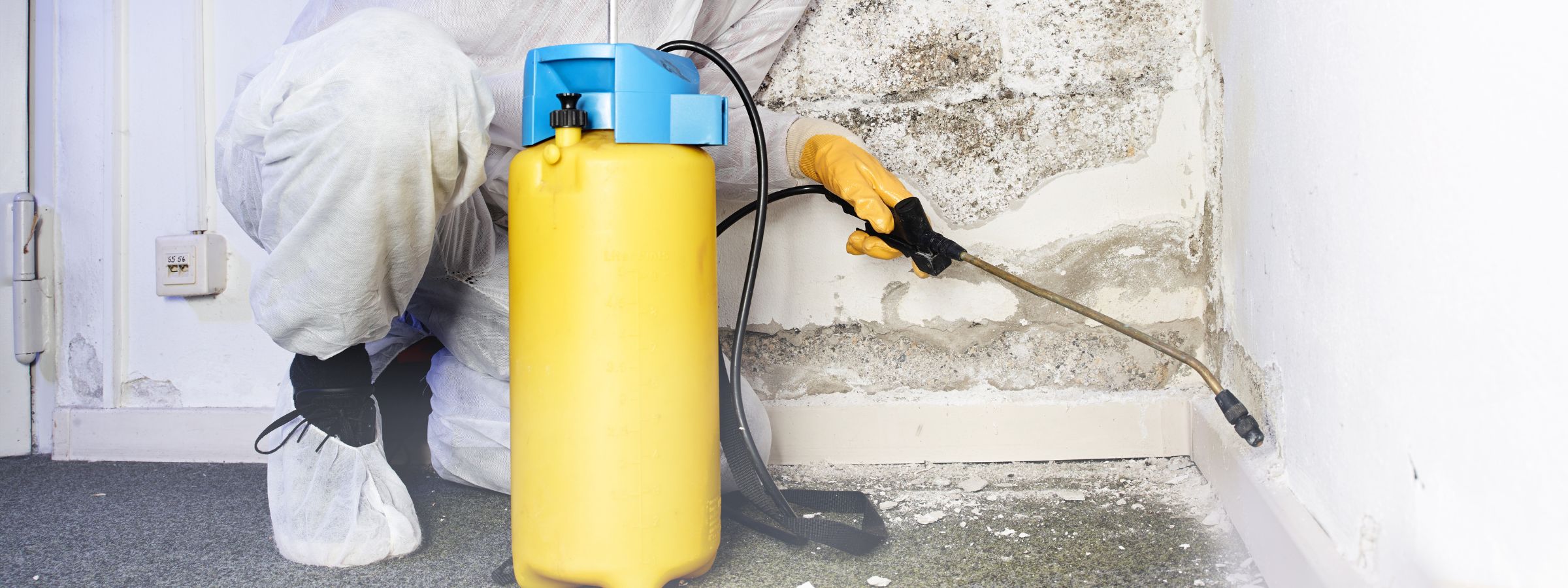
The best defense is a good offense for preventing a mold infestation in your home.
Standard homeowners insurance does not cover the severe damages it causes. Without assistance, the replacement and repair charges are all on you. And depending on the location and severity of the issue, you’re looking at a hefty bill.
In this blog, Part 3 of our Protect Your Home Series, we’ll discuss:
- What are molds;
- Why they are a problem for your home and health;
- Where they lurk;
- And how you can prevent it from becoming a costly problem.
Let’s dive in.
I. What is mold?
Molds are microscopic organisms or fungi commonly found both indoors and outdoors. To grow and reproduce, molds require organic food sources like wood, paper, leaves, etc. They destroy whatever they feed on, damaging your carpets, walls, furniture, and other surfaces.
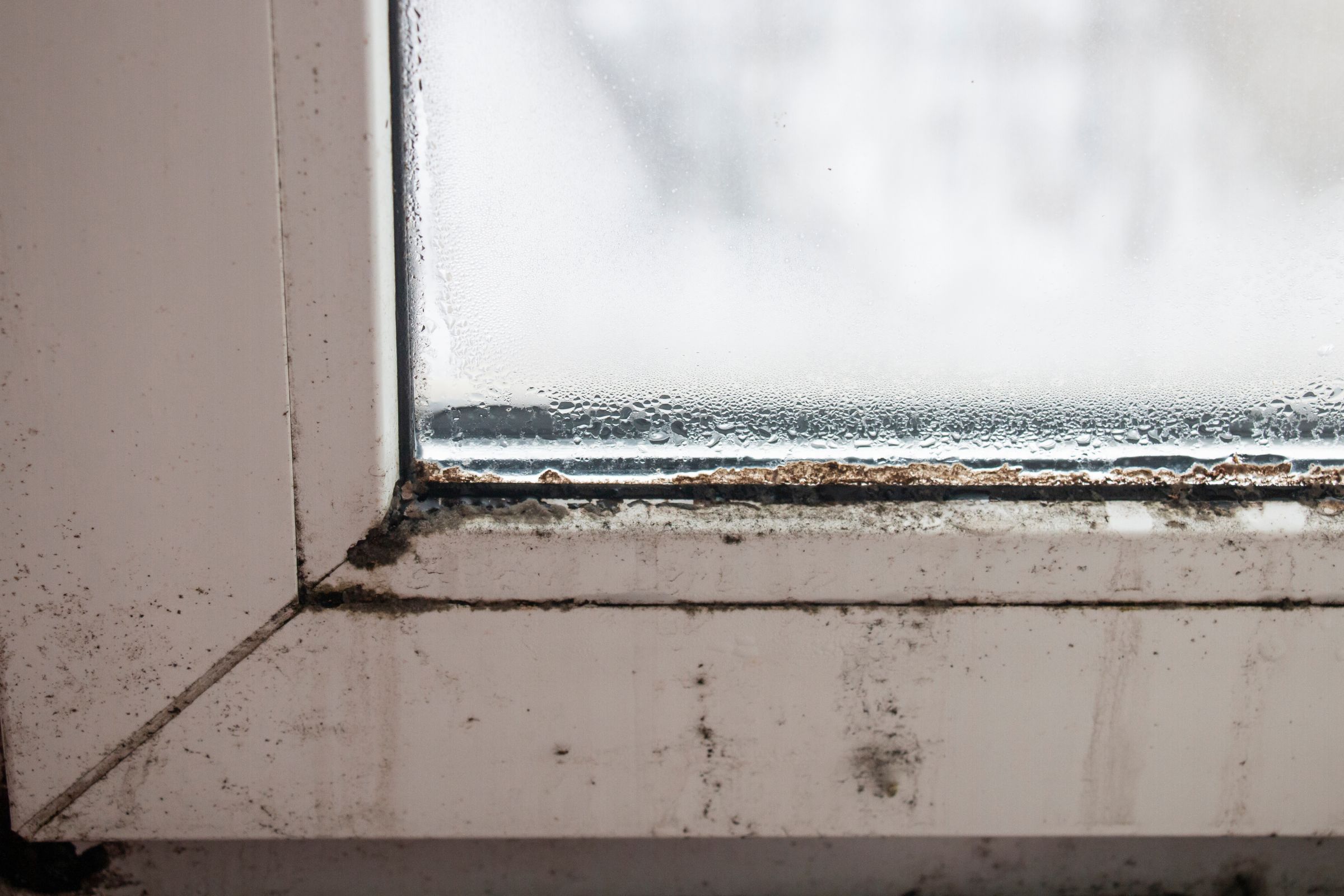
On top of that, spores thrive on moisture, requiring both it and organic matter for survival.
They spread by releasing lightweight, microscopic spores into the air. Airborne mold spores enter your home by hitching a ride on your clothes or the breeze.
How to Know If You Have a Mold Problem
Mold growth appears on surfaces as colored spots. Discolorations can be green, white, black, gray, or brown and appear fuzzy or powdery. Active molds produce an odor often described as moldy, earthy, dirty old socks, or ammonia.
II | Why is mold a problem?
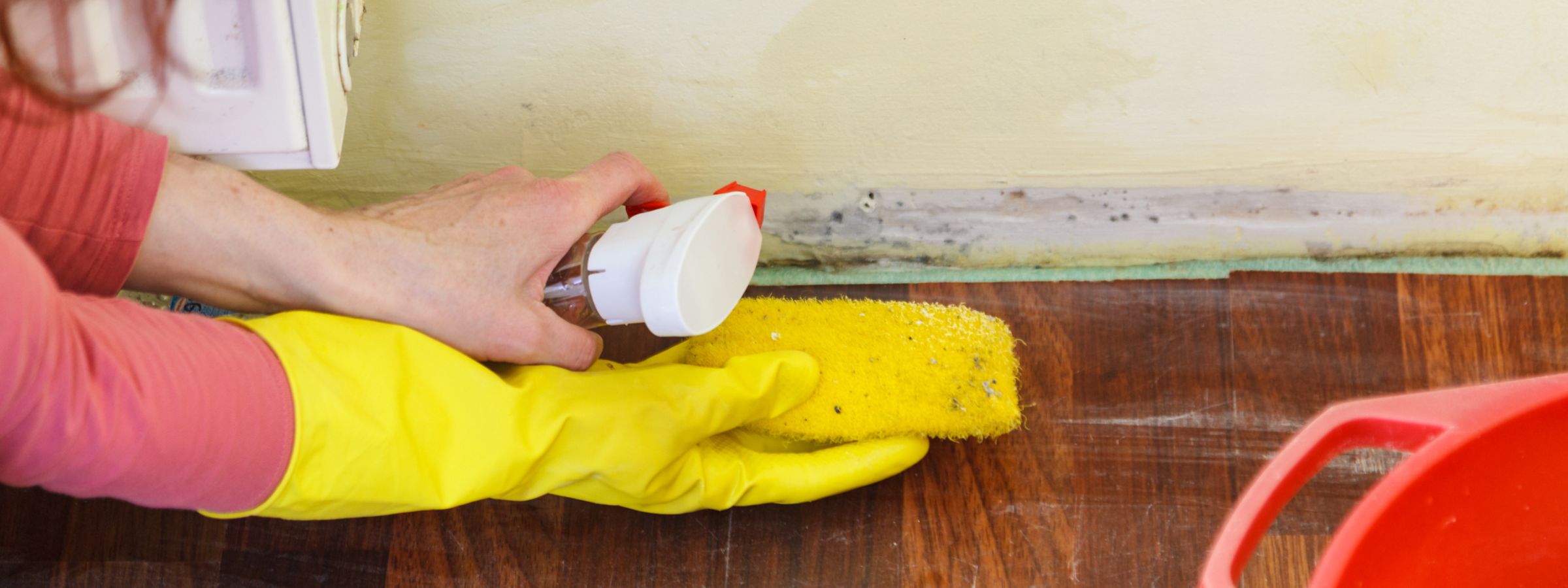
It causes damage to your home.
Organic materials are all around your home. Coupled with excess moisture, your home becomes a hotbed, or a cool one, for mold growth. Mold can grow undetected for years in moisture-rich places like your bathroom, kitchens, damp basement, attic, and crawl spaces. They can even grow in your fireplace or chimney without proper ventilation when they’re not in use.
Unrepaired water damage and high humidity levels in your house can trigger a large-scale mold problem. They grow everywhere on your clothing, food, paper, carpets, sofas, cabinets, etc.
Besides your personal belongs, they can also develop in unseen places like:
- The backside of your drywall
- Roof and other support beams
- Ceiling tiles
- Floorings
- Areas around a condensing or leaky pipe
Untreated mold will ruin the beauty and structural integrity of your home. While you can’t eliminate all traces of mold spores, keeping your house clean and moisture-free prevents them from turning your home into a refuge.
It can trigger adverse health problems.
Prolonged exposure to these harmful fungi may compromise your and your family’s health. These microorganisms produce allergens and irritants and, in rare cases, toxins.
People sensitive to mold and the spores they create may suffer allergic reactions. Allergic reactions include sneezing, red or burning eyes, runny and stuffy nose, skin rash, sore throat, coughing, and wheezing. People with asthma and heightened sensitivity face the risk of asthma attacks. People who are immune-compromised or have chronic lung disease may develop lung infections from inhaling mold spores.
Symptoms may present themselves immediately, or they may be delayed depending on your level of sensitivity.
III | Preventing Mold Growth in Your Home
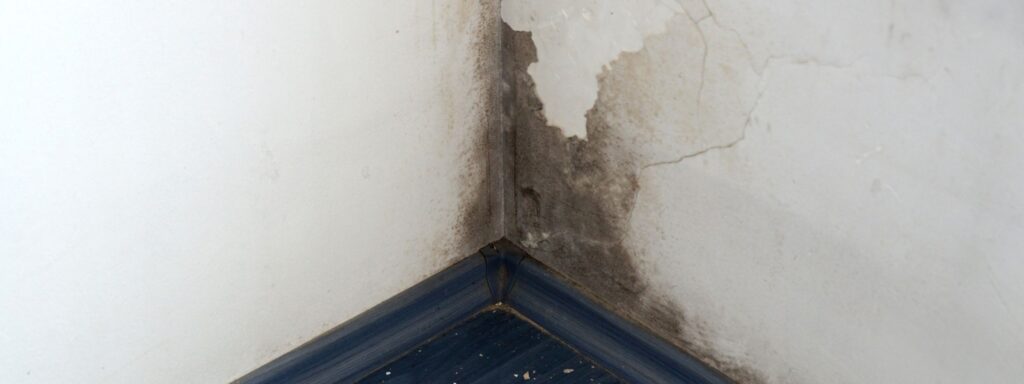
1. Identify and Address Potential Problem Areas in Your Home
Mold-proofing your home isn’t possible. The tiny spores can get anywhere, hitching a ride on your clothes, bags, and shoes. What you can do, however, is make your home mold-resistant. Make it so the spores can’t latch on and multiply.
The first step in your proofing is inspecting your home for current red flags. These red flags include, but are not limited to:
- A damp basement or one prone to flooding;
- A roof prone to leaks;
- An attic with a musty smell;
- Water stains on drywall and ceilings;
- Appliances with water hoses;
- Frequent condensation on windows.
If your basement is always damp and carpeted, rip up the carpet. I know you may have spent a lot of money installing it, but mold loves areas with high moisture levels. Underneath your carpet in a damp, poorly ventilated basement is where they’ll thrive.
Mold-Resistant Products
For your next home renovation, consider using mold-resistant products. There are mold-resistant dry walls, Sheetrock, and mold inhibitors for paints. They may cost more upfront, but the benefits save you money and troubles in the future.
Use these materials in areas prone to wetness. Think of your bathroom, kitchen, laundry area, basement, and attic.
Mold-resistant drywall is paperless as fiberglass replaces the paper ingredients found in traditional drywalls. The fiberglass eliminates the chances for mold growth as the surface is water-resistant and doesn’t provide a food source. Once the mold spreads in traditional drywall installations, the walls often have to be removed and replaced. The cost for which is expensive.
2. Combat Moisture with Proper Ventilation and Improved Air Flow
You can improve the ventilation in your home and practice moisture control in many ways.
Let your house breathe.
Letting in the fresh air (when possible) is good for you and your home. It’s an inexpensive, energy-efficient way of circulating air throughout your house, drying the damp, and reducing stuffiness and odors.
Open your windows for 10 to 15 minutes daily and let in the fresh air. Move your furniture away from the wall creating “breathing space” between the two. Open closed-up closets to air out your clothes.
Use dehumidifiers and fans.
If flinging open a window is out of the question, consider investing in a dehumidifier. Set dehumidifiers in rooms like the bathroom, basement, or attic for added moisture control. Other possible solutions are regular ceiling fans and installing a bathroom vent and an exhaust fan in your kitchen. Ensure you vent appliances to the outside and not to your attic.
The whole point is to prevent condensation from accumulating on surfaces, seen and unseen.
Put your HVAC system to maximum use.
Some HVAC systems have a built-in humidification system that helps measure and control your home’s humidity level. Check the system regularly and clean the unit, so it doesn’t increase moisture levels indoors.
If you’re looking for a new air conditioning system, check the prices for models with enhanced moisture control and a minimum SEER (Seasonal Energy Efficiency Ratio) rating of 14.
Purchase a moisture tester.
Purchasing a moisture tester from your local hardware store isn’t a must, but it is an option. The EPA recommends keeping indoor humidity between 30 and 60 percent. With a tester, you can ensure the moisture level remains within acceptable levels.
3. Dry Wet Areas Immediately
Conduct water damage restoration and clean wet areas right away. Accumulated water from a leaky pipe, the water in your basement after a flooding, water-damaged carpets and furniture, dry everything within 24 to 48 hours. Wash and sun them outside to dry.
Monitor your everyday habits for adjustment, like leaving damp clothes and other damp materials around. Hang clothes to dry outside or in an area with good air circulation.
Inspect your home for signs of water damage after heavy rainfall.
4. Direct Water Away From Your Home
Improper grading is one cause of water damage homeowners often face. Water can settle and accumulate beside your external walls when the ground slants toward your home.
Standing water will damage your foundation, seeping into cracks, and moisture spreads into your walls. Basement floods can also be avoided by slanting the land away from your basement windows, creating a slope for water to flow away from your house.
Roof gutters and downspouts act similarly, directing water away from the foundation and external walls. Clean them regularly and keep them free of debris.
IV | The Hidden Mold Problem
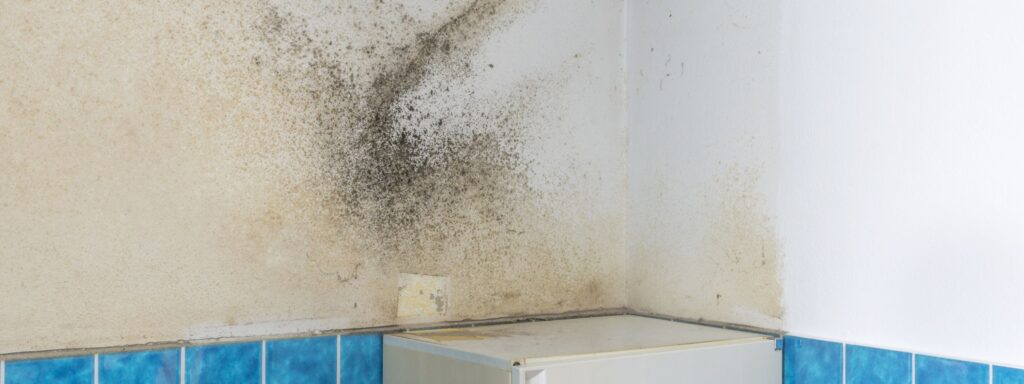
Telltale signs of excessive humidity aren’t always visible, nor are signs of water damage.
There are areas of our homes we ignore for the most part because they are out of sight.
- Underneath the kitchen and bathroom sinks;
- The backside of drywall;
- Inside the rafters where roof leaks go undetected.
Cold surfaces, like your walls, offer a comfortable settlement for mold. Sometimes you can see when this is happening. Still, this problem can go undetected in areas behind heavy furniture you rarely move, like sofas, dressers, and wardrobes.
Take these areas into consideration when inspecting your home for red flags.
V | Standard homeowner insurance does not cover mold damage. Here's why.
Preventing and controlling mold and mildew is the cheapest route for you. If the damage becomes extensive, you can’t rely on your home insurance policy to cover the cost of repairs and replacement. That’s because insurance companies don’t include mold in their standard policies.
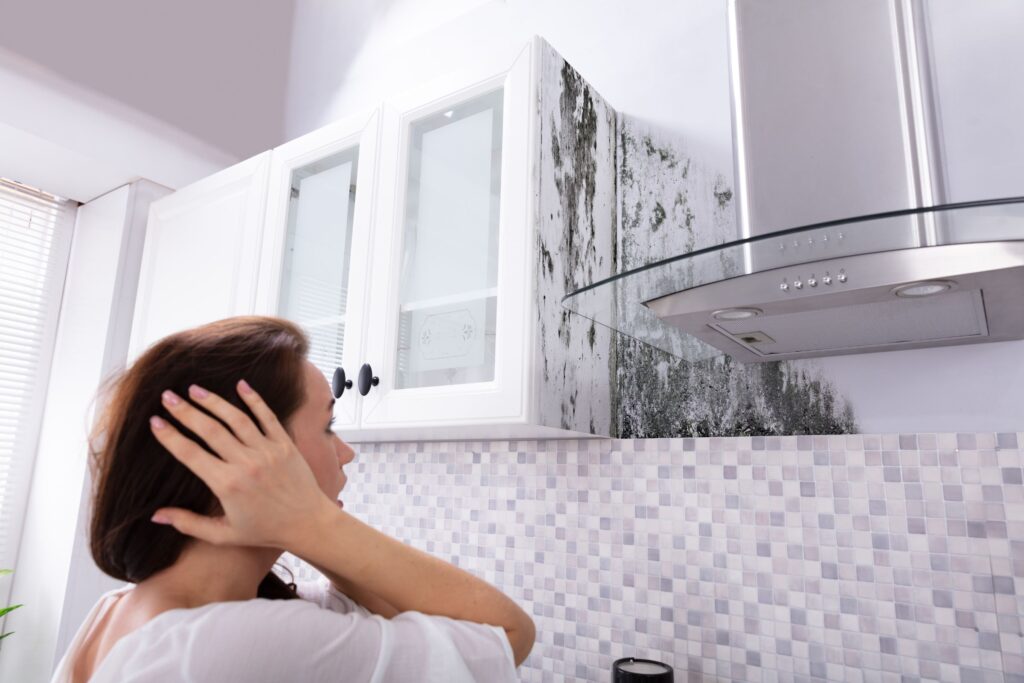
No damage considered a “home maintenance problem” appears in the list of covered disasters as they’re preventable.
Reporting a case classified as a “home maintenance problem” is the fastest way to get shot down when applying for a claim. The insurance adjuster will rule your negligence as the cause of the problem, making repairs and the like your responsibility, not your insurer’s.
On the other hand, if mold growth happens due to a covered peril like a burst pipe, the cost of mold clean-up may be included.
Federal Flood Insurance adopts the same principle as traditional coverage. It will only cover the cost of cleaning mold growth if it results from flooding.
Conclusion
Start your battle with mold with preventative measures.
The best solution for protecting your home from mold is to prevent it from becoming a problem in the first place. Effective clean-up is costly, and the damage to your home and health adds another layer of difficulty.
- Identify and address potential problem areas in your home before they pose a real threat. Inspect your home appliances with water hoses and the surrounding external areas for leaks and wet spots.
- Eliminate the mold’s food source by opting for mold-resistant building materials.
- Combat moisture with proper ventilation and improved air movement by installing air vents, using your HVAC or AC, purchasing dehumidifiers, or opening the window for 10 to 15 minutes. Whichever method works best for where you live and the season.
- Mold can’t grow and thrive without moisture. Dry wet areas in your home immediately, and don’t store wet clothes or carpets indoors or leave water damage unattended.
- Direct water away from your home by grading the ground around your house to prevent water from pooling. Repair damaged roof gutters and downspouts and remove debris.
Be proactive about protecting your home and your family from mold’s damaging and harmful effects.