
Preparing for the worse gives you the advantage if it ever happens.
Maintaining your composure might prove difficult in the flurry and confusion that naturally occurs in the wake of a disaster. But you have a reference if you’ve already set up an emergency plan. A guide to follow.
In this article, we’ll discuss:
- What an emergency plan is;
- Why having one is important;
- And how to create the best plan for your family’s safety.
Let’s get started.
I | What is a Family Emergency Plan and Why it’s Important
A family emergency plan outlines the steps you and your family will take in the event of a disaster. It ensures that everyone in your household knows the procedures for securing your lives.
Members of your house might get separated during the confusion that follows. Having a central strategy everyone’s aware of keeps you on the same page, regardless. Inside the plan should be guidelines for all potential scenarios.
II | How to Create a Family Emergency Plan
1. Do your research on disasters and hazards.
Before you can prepare, you must know what the preparation’s for. Emergency planning begins with this step.
How you prepare in California differs from how someone in Oklahoma and New Orleans will prepare. Each of these areas presents distinct threats. For California, preparing for earthquakes ranks highest.
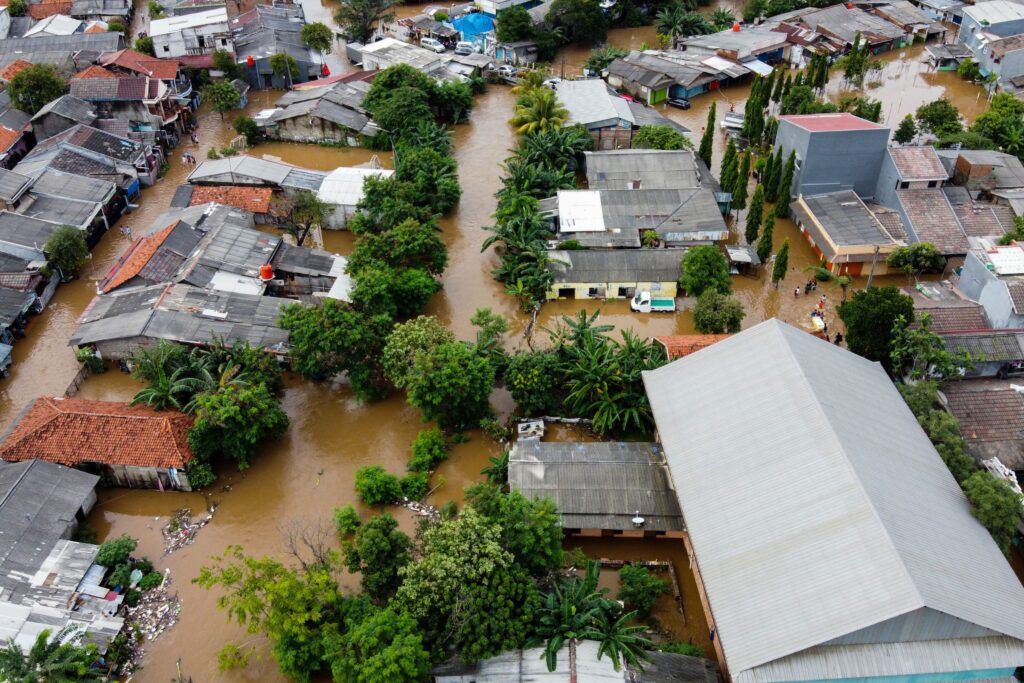
Oklahoma is a tornado country, and New Orleans is prone to floods caused by storms and hurricanes.
Learn about the common disasters in your area and plan accordingly. Learn the state’s emergency response procedures and integrate them with your family’s plans. Find out if there is a designated evacuation shelter in your area. Create a list of all emergency numbers and services offered.
You’ll find additional resources for research below.
Emergency alerts.
Learn how to access disaster alerts. There are apps available that will give you real-time emergency alerts, which provide you with ample opportunity to activate your emergency plan.
2. Sheltering in place versus evacuation.
In a disaster, you’ll face two choices—sheltering in place or evacuating. Your decision depends on the dangers you face. You’ll shelter at home in a thunderstorm if there’s no danger of flooding. If there is a wildfire blazing toward you, however, your state emergency services will issue an evacuation warning.
Prepare as best you can for both possibilities. Severe weather is unpredictable. It’s better to be overly prepared than sorry.
Sheltering in place.
Evaluate the safe spaces in your home and how you can make them safer if a disaster strikes. You may need to repair shaky shingles on your roof and establish a proper drainage system to prevent flooding from a storm. Perhaps you need to renovate your basement as a shelter in the event of a tornado.
Learn about the emergency procedures for the natural disaster risks you face. When sheltering in place for a tornado, avoid rooms with windows, and shelter on the lowest floor or basement. For earthquakes—drop, cover, and hold on.
Evacuating to a safer location.
Evacuate your home, knowing where you’re headed. Your destination may be a state-run shelter, the house of family or friends, or a hotel/motel. No matter where you choose, establish escape routes.
Be aware of the dark side of disaster-driven demand.
During the wildfires that ate up much of the west coast earlier in 2021, many families left their homes seeking refuge from the fires and smoke. Some had the luck of bunking with family and friends, while others booked hotel and motel rooms. Knowing the urgency and demand, many of these establishments hiked their prices.
Prepare an emergency fund for special accommodations if staying with family and friends isn’t possible.
3. Stay connected.
Staying in touch with family and friends during disasters might be difficult. Downed power lines and spotty cell phone networks are common obstacles. With this in mind, plan for the worse if your family separates.
Basic communication plan
Ensure everyone in your family saves emergency numbers on their phones and written on contact cards.

Phone batteries die, and if you don’t have a portable charger handy, you can’t access the information in it. You may also lose your phone, or it may break. Write all the contact numbers on a card and slip it into your wallet.
Designate an out-of-town emergency contact. It may be easier to reach someone outside of the danger zone. This contact can act as a check-in point. You can also register on the American Red Cross Safe and Well website or use Facebook to mark yourself safe.
Emergency meeting spots
If you’ve ever watched the movie San Andreas, you’ll know what I’m talking about. Parents get separated from their daughter, but before the earthquake, her father established a plan. The daughter knew the rendezvous point if she ever separated from her family, and they knew where to look for her.
Set up at least three meeting locations to have options if one area is not workable.
With all the chaos, the chances of your receiving top priority aid to locate your missing family member aren’t good. It’s a “help yourself as much as you can situation.”
4. Create a disaster supply kit and keep emergency supplies fresh.
Emergency kits come in handy more times than not. They are easy to grab in case of a sudden emergency, and since you prepared them beforehand, one hopes it’s stocked with all the needed items. At least the basics.
Personalized supplies
Consider the needs of your household when outlining your plan. Knowing the individual needs, you can outfit your kit with essentials. Note the expiration dates for medical supplies and keep your inventory fresh.
Store important documents in one secure location. Having it all in one place (bonus points if it’s already in a weatherproof container) makes it easier to grab when you have little time to spare.
General supplies
Here are some recommended supplies in your emergency preparedness kit:
- Toilet paper (it seems so trivial until you need it) and other hygiene products.
- Pet carrier and other supplies your pet will need while moving with you.
- Bottled water and water purification tablets or filters in case you didn’t pack enough.
- Shelf-stable foods (non-perishables) last for a long time without refrigeration. Note the expiration dates for food, so you know when to swap them out.
- A battery-powered radio is a must. It will help you track real-time updates from emergency management personnel. You’ll also require post-emergency instructions for when the disaster passes.
- A utility knife, flashlight, and extra batteries are staple supplies.
5. Develop a comprehensive evacuation plan and let the family know.
You won’t always have time to plan depending on the disaster. Follow the above steps, organize all the information into a single document, and call a family meeting.
Discuss the measures you’ve laid out and gather feedback on where you can strengthen the steps. Maybe you overlooked a crucial detail someone else recognizes.

Make it a collaborative effort, accounting for the concerns of everyone involved.
Once the initial plan’s set, issue physical and electronic copies. Create an emergency checklist. This list is an abbreviated version of the overall plan. Stick it to the refrigerator or a family noticeboard. The plan will always be front and center. Seeing the list regularly will reinforce the crucial steps. There is a lot to say about subconscious learning.
6. Practice and review your plan.
Emergency preparedness is an ongoing process.
Do practice drills with your household every six months. By practicing, you’ll test the efficiency of your initial plan. There might be variables you overlooked while writing the plan that you realize will be a problem in activating it during an actual emergency.
The follow up drills reinforce the plan and test it against the changing environment. You may end up having to change your meeting locations and evacuation routes if there are any traffic changes, new buildings, etc.
Your communication plan might need upgrading if a better option enters the market.
Your emergency plan is a flexible blueprint. It’s not set in stone.
Other checks
- Test your smoke detectors and change out the batteries once a year.
- Test your fire extinguisher, and remember to refill after use.
- Refresh your disaster supply kit every three months. Replace stored food, bottled water, and medical supplies by expiration or best by dates. Always keep your emergency items fresh and easy to grab in a pinch.
- Update your emergency contact list. Both for family members and emergency services.
7. Review your insurance.
If you’re a regular reader of this blog, you know the importance of adequate insurance. Some insurance, like flood insurance, works if you purchase it well in advance.
The delayed rush for application occurs when a wildfire is bearing down or the news issues an alert for an approaching storm.

If your neighborhood is in a storm-prone area, the minute a warning’s issued, it’s too late. One of two things will happen. Either you won’t be able to purchase flood insurance at all, or the coverage you purchase will not cover damages from the impending storm. If there is a wildfire raging towards your location, the same applies.
Insurance companies will protect their investment from last-minute applicants.
Review your insurance policies once or twice a year. Updating according to your current lifestyle means no last-minute changes in an emergency. It guarantees you’ll always keep the right amount of coverage no matter what.
III | Additional Sources
For help in creating your emergency plan, check out the following links.
Make A Plan (Ready Campaign Federal Emergency Management Agency)
How to Prepare for Emergencies and Let Family Know You’re Safe (American Red Cross)
Conclusion
Creating a family disaster plan puts you and your family a step ahead of an emergency.
- Research the common disasters in your area and the established emergency protocols for guided help setting up your family emergency plan.
- Plan for sheltering in place and evacuating to a safer location. Map out the safest escape route ahead of time.
- Stay connected with a communication plan. Device contingencies for your family’s separation in the middle of the turmoil. Set family meeting locations and designate an out-of-town emergency contact.
- Create a disaster supplies kit and refresh the stored items every three months or based on the expiration and best by dates. Keep a running list of the items and these dates for inventory checks and replenishing.
- Develop a comprehensive evacuation plan and let the family know. Convey the importance of why everyone should take the measures you implement seriously.
- Practice the steps with evacuation drills and revise the information. An up-to-date plan is more effective.